Meet Emem Nwogwugwu.
She helps people build systems that serve the whole person and not just the bottom line. In our Founders Friday feature, Emem shares what transformation really looks like, how to stay grounded in chaos, and why presence is the real secret to a balanced life.
Born from family, built with purpose. Sisé is redefining how African meals are cooked and enjoyed, without losing the soul. Founded by two sisters from a lineage of incredible cooks, Sisé delivers bold, homegrown Nigerian flavours in under 20 minutes. Their mission? To make traditional meals accessible, joyful, and stress-free for modern homes - one meal kit at a time.
After 13 years of quiet growth and deep surrender, Elwoma returns with Throne of Grace, a worship album rooted in Hebrews 4:16 and birthed from a place of authentic devotion.
Thing and about thinking differently. About making bold decisions, developing clarity, and building discipline long before the money shows up.
In this post, I share 7 timeless money mindsets from the book, the kind that don’t just live in theory, but show up in your daily choices, habits, and circle.
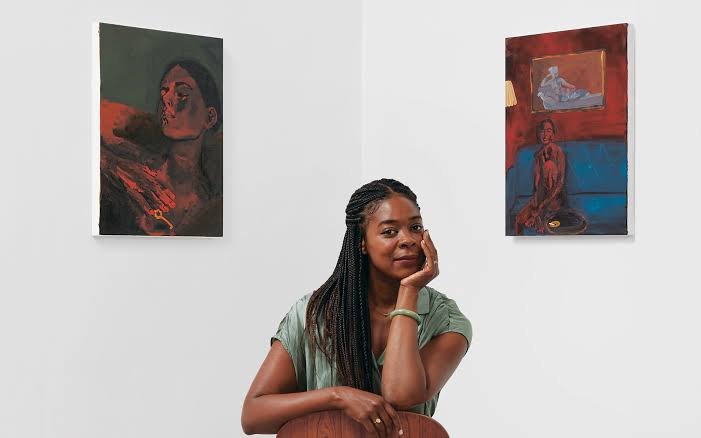
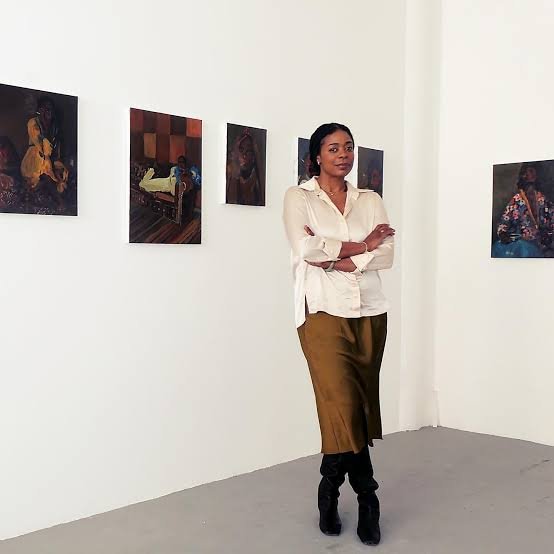
Art is all around us, in animate and inanimate things. For some people spotting the artistic beauty in even the mundane, isn’t something that comes naturally. But for Danielle Mckinney, she was born to lead in the world of Contemporary Art.
In a society where women’s voices are often muffled, Danielle McKinney’s work speaks boldly, tilting more towards introspective, and unapologetically feminine paintings. As we celebrate Women’s History Month, her story serves as a powerful reminder of how embracing one’s authentici self can transform not just a career but an entire art form.
Little Beginnings: From Camera To Canvas
Born and raised in Montgomery, Alabama, USA, Danielle has always had the support of her family. After her mother gifted her an old Nikon camera, and her mum introduced her to painting, from as young as 15, her curiosity for the arts was ignited.
Pursuing a BFA from The Atlanta College Of Art, and an MFA from Parsons School Of Design, also helped hone her craft. She developed an eye for composition, light, and storytelling—skills that would later become the basis of her career as a Visual Artist. For years, McKinney mastered her craft as a photographer, exploring the depths of humanity and identity through her lens. But it wasn’t until 2020, at the peak of the COVID-19 lockdown, did her career take a monumental shift. With people holed up in their homes, and no opportunity for photography, she found her passion for painting.
This shift was smooth as she had already built a photographer’s precision and a storyteller’s heart. It was also a powerful evolution in her ability to express the interior lives of her subjects—primarily Black women depicted in moments of solitude and self-reflection.
Danielle’s ‘Hold your Breath’, 2024. Photo Credit: Pierre Le Hors.
Danielle’s ‘Read The Room’, 2024.
Her Art-Her Message
For Mckinney, painting is much more than a medium—it’s an avenue for reinventing black feminine representation. Her works are Afro-centric, celebrating the strength, complexity, and beauty of women, with zero need for external validation. This focus resonates with a generation of art lovers and collectors, hungry for authentic and diverse narratives.
Danielle’s paintings are a reflection of her personal life. In a recent interview she shared that her subjects are often portrayed in contemplative poses, enjoying solitude, even amitds activities. These depictions invite viewers into a world that is at once personal and universal.
Leading In The Art World
Since her shift to painting, Danielle McKinney’s rise has been meteoric. Her first solo exhibition, “Smoke and Mirrors,” received critical acclaim, with collectors and curators alike drawn to her masterful use of color and her ability to convey complex emotions. She has also had her work showcased in prestigious galleries, including Marianne Boesky Gallery in New York, solidifying her status as a rising sensation in the art world.
In 2022, Mckinney was listed among the most influential contemporary artists to watch, a recognition that highlighted not just her talent but also her impact on expanding the narratives available to Black women in art. By presenting her subjects in moments of introspection and power, McKinney challenges the historical underrepresentation of Black women in portraiture and reframes the conversation around identity and autonomy.
In honor of Women’s History Month, we celebrate countless women, who like Danielle McKinney are succeeding in unconventional industries and careers.
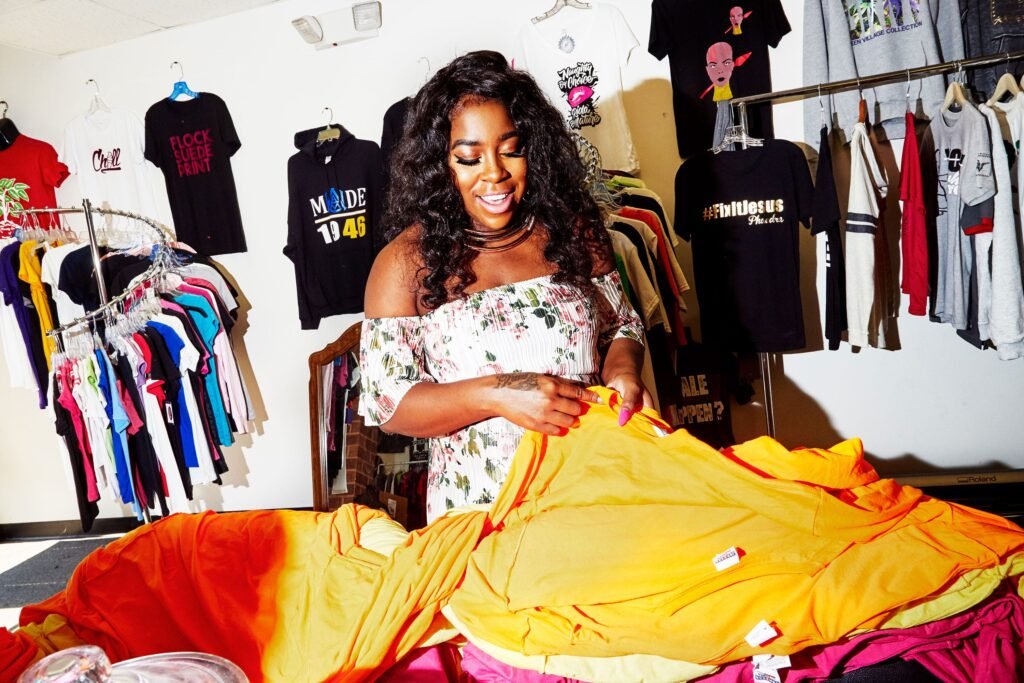
Success in entrepreneurship isn’t about where you start – it’s about resilience, vision, and the ability to rise after every fall. Few people embody this spirit as powerfully as Mary Seats, also known as Mz. Skittlez. From launching a fashion brand with just $300 to becoming a branding powerhouse, her journey is a masterclass in determination and strategic growth.
Mary Seats was not born into wealth, but she was born with ambition. Growing up in Cleveland, Ohio, she always had an eye for fashion and branding. From a young age, she showcased her creativity by selling clothes for dolls, unknowingly foreshadowing her future as a fashion mogul. But dreams are rarely met with instant success. Mary had to work her way up, often facing skepticism from those who couldn’t see the vision she had for herself. However, she never let doubt define her path.
Her first major opportunity came when she worked as an assistant stylist for an international music tour. This experience exposed her to the fashion and entertainment industries and allowed her to build relationships with celebrities like Missy Elliott, Da Brat, and Lil’ Kim. These connections would later prove instrumental in growing her brand.
Beyond her entrepreneurial journey, Mary’s personal life has also played a significant role in shaping who she is today. She is married to Tony Seats, an entrepreneur who shares her vision for success. Having a partner who understands the highs and lows of business has been a major support system for her. Mary has often spoken about the importance of surrounding yourself with people who uplift you. she once said:
“When you have a dream, you need a team – whether it’s in business or in life. You need people who see the vision, even when it’s not yet clear“
In 2011, with only $300 in her pocket, Mary took a bold leap into the fashion industry and launched Cupcake Mafia, a streetwear brand designed for women who exuded confidence and empowerment. She didn’t have investors or a large team – just creativity, relentless hustle, and a keen understanding of branding.
What made Cupcake Mafia stand out was its unique storytelling and aesthetic. Mary leveraged social media, guerrilla marketing tactics, and her celebrity connections to turn the brand into a global phenomenon. Within a few years, Cupcake Mafia was being sold in over 800 stores across 69 countries.
Reflecting on her early days, She said:
“I wasn’t waiting for a big investor. I built this with what I had. Too many people wait for permission to start – just start”
Just as Cupcake Mafia was reaching new heights, Mary faced her biggest challenge yet. After partnering with an investment firm to scale the business, she was unexpectedly fired from her own company. The brand she had built from the ground up was now out of her control. For many, this would have been the end of the road. But for Mz. Skittlez, it was just another chapter. She fought back, refusing to let her dream be taken from her. With unwavering determination, she repurchased Cupcake Mafia for $60,000 – proving that no setback was too big to overcome.
Image Credit: Refinery 29
Rather than dwelling on her loss, Mz. Skittlez saw an opportunity. She realized that her greatest strength wasn’t just designing clothes – it was branding, marketing, and creating experiences that made people connect with products. In 2015, she launched The Icing Agency, a branding and marketing firm designed to help businesses, particularly female entrepreneurs, build and scale their brands. Her expertise in branding quickly attracted major clients, and her agency became a sought-after name in the industry.
Mz. Skittlez didn’t stop at marketing. Seeing a gap in resources for female entrepreneurs, she founded The Bakery CoWork, a co-working space designed to foster a community for women in business.
“I needed support when I was coming up. I needed community. Now, I’m creating spaces where other women don’t have to feel like they’re doing this alone “
she shared.
Today, Mary Seats is not just a businesswoman – she’s a mentor, speaker, author, and role model for countless entrepreneurs looking to build their own success stories.
For any aspiring entrepreneur reading this: Don’t wait. Don’t doubt. Just start. As Mz. Skittlez herself said:
“You are the brand. You are the business. Act like it”
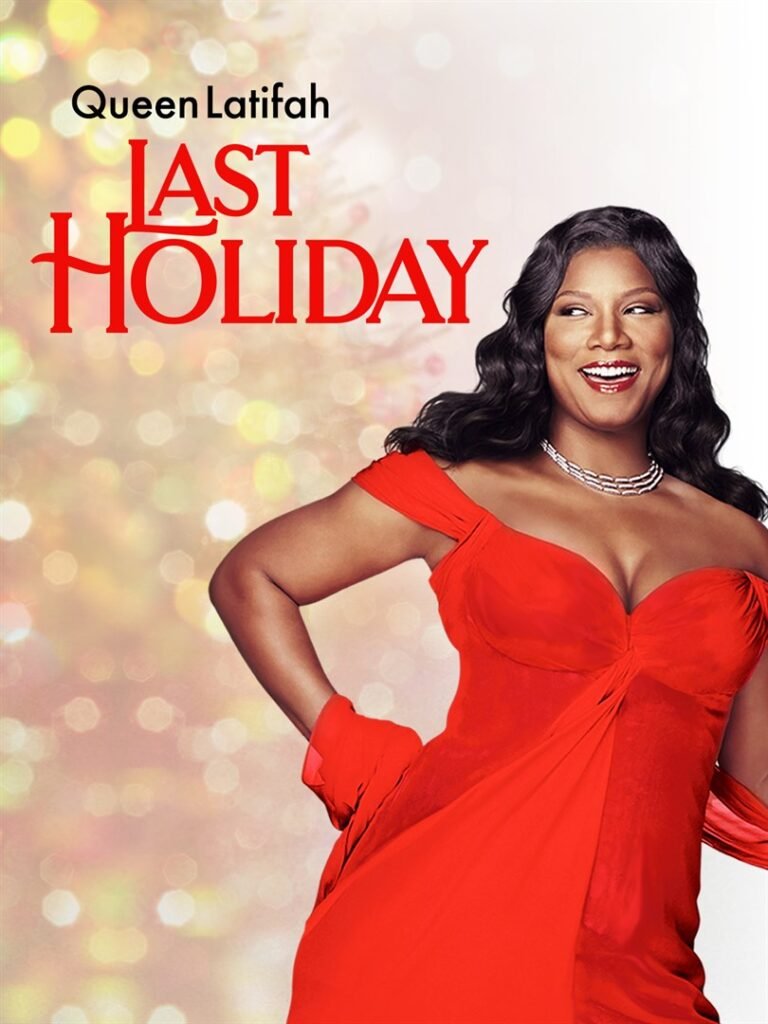
I recently saw Last Holiday, and I can tell you it’s more than just a movie – it’s a celebration of life. In the film, Georgia Byrd (Queen Latifah) is confronted with a crisis when a misdiagnosis leads her to believe she has only a short time left to live. Instead of succumbing to despair, she seizes the moment, reclaiming her life and embracing every opportunity to live on her own terms. Her journey reminds us that we don’t have to wait for a crisis to force change; we can choose transformation every day by:
Appreciating the Little Things: Georgia’s genuine love for a good meal is infectious – so much so that Chef Didier adored her. Savoring everyday pleasures, like a delicious meal, helps build a foundation of gratitude and mindfulness.
Not Worrying About What Others Think: Whether it was the unsolicited opinions from her company’s owner or judgments from strangers, Georgia refused to let others dictate her choices. Her fearless attitude shows us that when we let go of the need for external validation, we’re free to pursue what truly matters.
Making the Most of Every Moment: Georgia dove headfirst into experiences that brought her joy: dressing impeccably, taking a thrilling helicopter ride, upgrading to the best hotel room when plans fell through, base jumping, and even skiing despite having no idea what she was doing, yet she ended up on the cover of a ski magazine! And let’s not forget her casino win: the $100,000 she clinched gave her the means to start her very own restaurant. Every moment became an opportunity for adventure and transformation.
Appreciating Your Loved Ones: Amid all her newfound adventures, Georgia deepened her connections. Her candid, unapologetic way of speaking her truth won everyone over – from the hotel staff and even guests like the charming congressman and the senator, to the culinary genius of Chef Didier. And in a delightful twist of fate, she found love with her shy co-worker, Sean Matthews (played by LL Cool J), who became the love of her life.
Following Your Dreams and Passions: Perhaps the most inspiring lesson of all is that Georgia didn’t allow a dire diagnosis to hold her back. She pursued her dreams relentlessly, proving that growth and fulfillment come when we set aside our fears and step out of our comfort zones.
In her words:
Never in my life did I think I would end up in such a beautiful place, doing so many incredible things. So, I’m sorry if I was maybe a little bit too honest with you. But I wasted too much of my life being quiet.
Georgia Byrd, Last Holiday
In the end, when Georgia discovered that the diagnosis was wrong, it didn’t matter – because she had already lived a life overflowing with passion, joy, and unforgettable experiences.
Don’t Wait for a Crisis: Live Boldly Like Georgia Byrd in ‘Last Holiday’
Did you know that the skills and values your children learn when they’re young will stick with them for life? It’s true – about 90% of what they pick up before they hit their teenage years stays with them well into adulthood. So, why not start teaching them entrepreneurial skills while they’re young? You don’t need to wait until they’re in college to talk about business.
Here are 9 practical and heartwarming ways to introduce them to the world of entrepreneurship:
Encourage Creative Thinking Entrepreneurs are creative problem-solvers. Encourage your children to brainstorm with you and come up with their own ideas. You can provide them with small challenges to solve, like creating a fun project, designing a simple business idea, or even thinking of a new product. This nurtures their problem-solving abilities and helps them build a foundation for entrepreneurial thinking.
Include Them in Decision-Making Kids love to feel involved, and it’s a great way to teach them about responsibility. When making simple business decisions – like choosing a product to sell or deciding on a marketing strategy or even what post to share – ask for their input. One time, my daughter helped me pick out new styles for our activewear launch, and we made the decision together to go with a design she suggested. Her face lit up when those designs sold out first!
Teach Them the Value of Money One of the core principles of entrepreneurship is understanding the value of money. Start teaching your children about budgeting, saving, and how money flows in a business. If possible, you could set up a small “business” for them, where they earn play money through tasks and then spend or save it. This helps them grasp the concept of money management early on.
Let Them Try Small Responsibilities When kids take on small responsibilities, they get a taste of what it’s like to run a business. Let them help out with simple tasks – whether it’s organizing supplies, answering a customer’s question, or packing orders. My daughter loves to help me with responding to customer questions over the phone. It’s a small thing, but it makes her feel like she’s part of the team, and it teaches her the importance of attention to detail.
Read Entrepreneurial Books Together There are many children’s books that focus on entrepreneurship, business skills, and leadership. Choose books that are fun and engaging, and read them together with your children. This will introduce them to key concepts such as risk-taking, innovation, and perseverance while helping them relate the lessons to their own lives.
Teach Them About Failure and Resilience Entrepreneurship often involves taking risks, and sometimes those risks don’t pan out as expected. Teach your children that failure is a part of the process and is an opportunity to learn. Share stories of entrepreneurs who faced setbacks and how they bounced back. It’s okay to share personal stories too. This will help your children understand the value of persistence and resilience in the face of challenges.
Encourage Independence The more your child feels like they can do things on their own, the more confident they’ll become. Encourage them to take on small projects and manage them from start to finish. Allow them to make decisions, manage tasks, and deal with the consequences of their actions. This instills confidence and teaches them that they can control their destiny.
Teach Time Management Successful entrepreneurs are masters of managing their time, and this is a skill kids can start learning early. Help them create a schedule for their daily tasks or set goals together. This helps them develop the discipline required for success in both business and life.
Promote a Growth Mindset The best entrepreneurs know that challenges are simply opportunities to grow. Teach your children to embrace a growth mindset – encourage them to see every challenge as a chance to learn something new. When they encounter challenges, remind them that learning and growth happen through perseverance and continuous improvement. This mindset will help them face entrepreneurial obstacles with optimism and a willingness to learn from each experience.
By teaching these valuable entrepreneurial skills early, you’re giving your children a head start on becoming resilient, independent, and creative thinkers. More than just business skills, these lessons will help them grow into confident, capable individuals who understand the power of hard work, perseverance, and believing in themselves. However, it’s important to remember that kids often hate being lectured all the time or having every moment turned into a teaching moment. They just want to enjoy your presence, have fun, and learn naturally through experience. So, balancing the lessons with moments of just being together and sharing simple joys is key. Let them see entrepreneurship as an exciting adventure, not a constant lesson, and they’ll embrace the journey with enthusiasm!
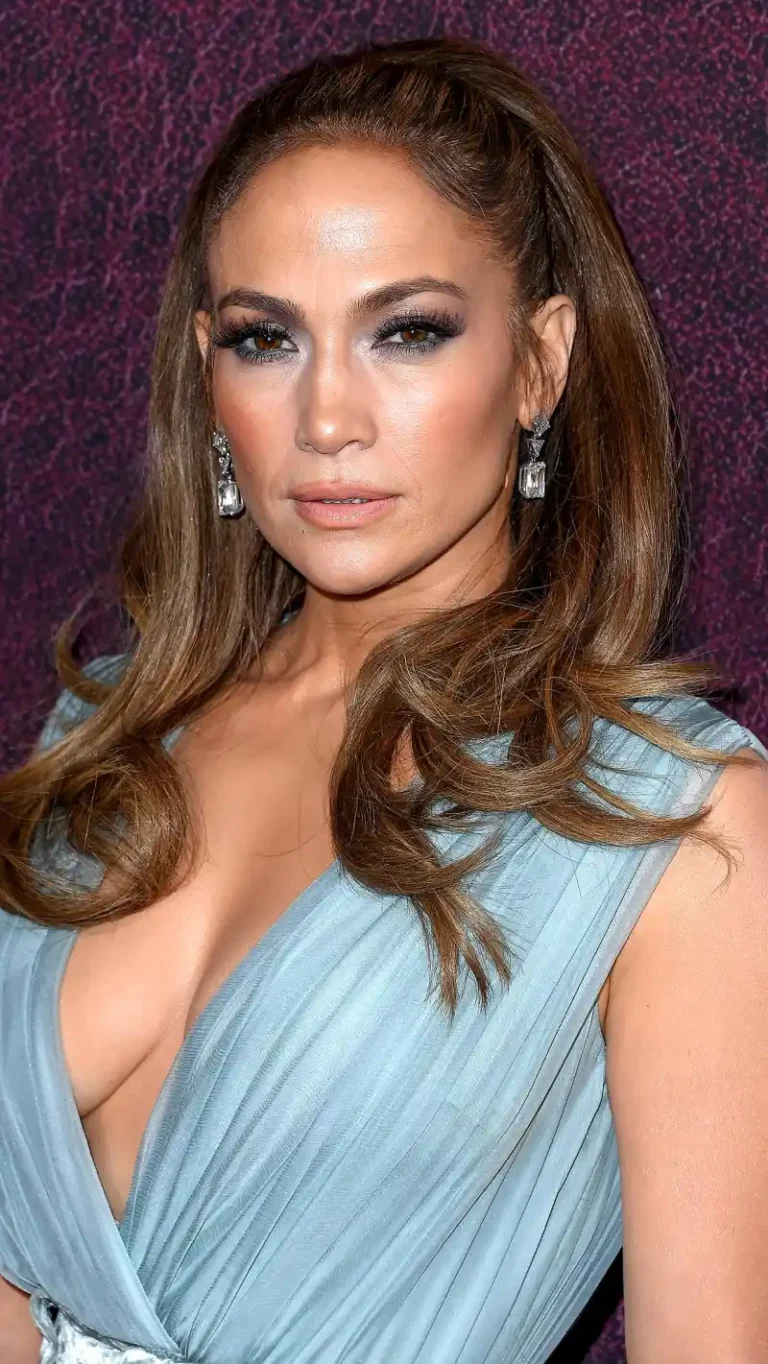
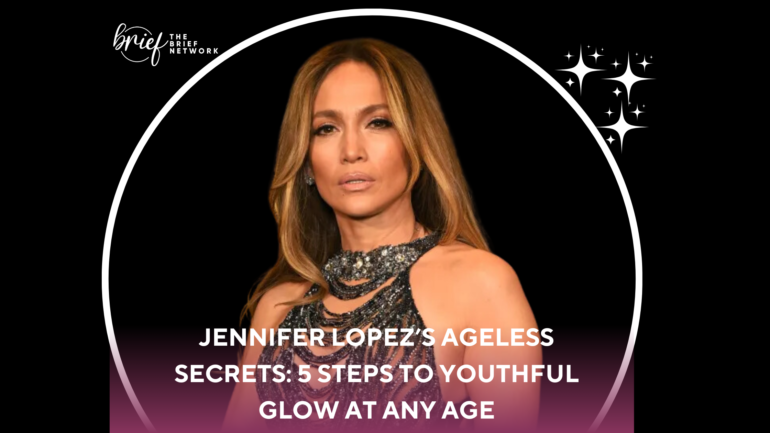
Ever wondered how Jennifer Lopez, at 55, maintains her youthful glow and enviable physique? The answer lies in her dedication to fitness, mindful eating, and self-care. While her age-defying beauty is often discussed, it’s her commitment to health and vitality that keeps her looking as radiant as ever. There are high chances to be a replicant of her looks by adjusting to Lopez’s Ageless Secrets. In this guide, we reveal how you can follow in her footsteps to unlock your own vitality and youthful glow with a simple 5-step plan.
Unlock Lopez’s 5 Steps to Youthful Glow at Any Age
Step 1. Choose Exercises That Energize Your Body Jennifer Lopez’s workout routine is a dynamic mix of cardio, strength training, and dance. Whether it’s high-intensity interval training (HIIT) or yoga, find what motivates you. The goal is not just to get fit, but to feel vibrant, energized, and youthful.
Step 2. Embrace a Wholesome Diet to Nourish Your Skin and Body Lopez credits much of her radiance to her balanced diet, rich in whole foods, lean proteins, and plenty of fruits and vegetables. A diet filled with nutrient-dense foods helps support healthy skin, energy levels, and overall vitality. Avoid processed foods and focus on meals that fuel both your body and your skin.
Step 3. Hydrate for a Fresh, Dewy Glow Staying hydrated is one of the simplest yet most effective ways to maintain youthful skin. Jennifer Lopez drinks plenty of water throughout the day, and you should too. Water helps keep your skin supple and flushes out toxins, leaving you with a fresh, glowing complexion.
Step 4. Prioritize Sleep for Restorative Vitality While we often overlook the importance of sleep, Lopez makes sure to get enough rest every night. Sleep is crucial for cellular repair, reducing stress, and giving your body the energy it needs to shine. Aim for 7-9 hours of quality sleep for optimal health and youthful vitality.
Step 5. Mindset and Consistency: Your Path to Lasting Youth It’s not just about what you do it’s about how consistently you do it. Lopez’s longevity in fitness and wellness is a result of her mindset: she believes in loving yourself and making self-care a non-negotiable part of your routine. As she famously says, “You have to love yourself first. Take care of yourself, eat right, and exercise. You owe it to yourself to be the best version of you.” It’s about making those small, healthy choices every day. Age is just a number when you prioritize your health and well-being.
Jennifer Lopez, inspiring Ageless Glow
Jennifer Lopez proves that it’s never too late to start your journey to vitality. At 55, she’s showing the world that youthfulness is a reflection of inner health. By incorporating these five simple steps into your life, you too can unlock a radiant, youthful glow and experience the vitality that comes with self-care, healthy living, and consistency.
Are you ready to embrace your own ageless beauty? Start today by making small changes and watch as your confidence and radiance flourish. Share your progress with us and let us know how you’re embracing the path to vitality. Click here to view the 5 steps to youthful glow.
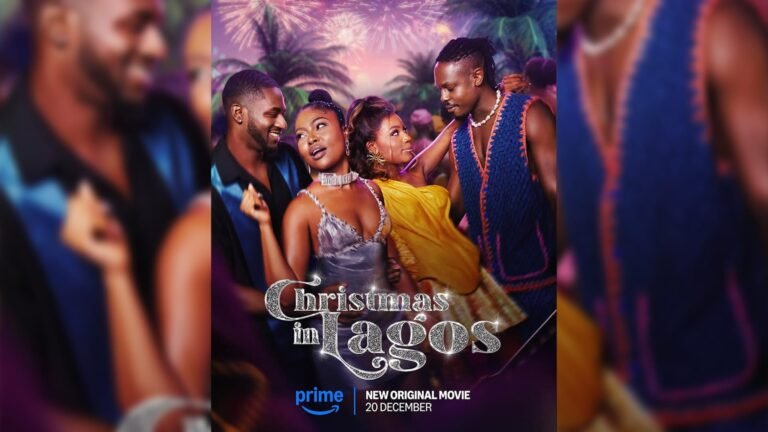
A few days ago, I watched Christmas in Lagos by Jade Osiberu, and I couldn’t help but reflect on these three powerful moments that stood out to me:
Ajani’s Insight Ajani, (Ladipo Eso, Ladipoe), is the quintessential Lagos hustler – guitar boy by night, delivery guy by day. When he met Ivie (Rayxia Ojo), a writer struggling with self-doubt, he asked her:
"Do you want to break your own heart before the world has a chance to?"
This line hit hard. It’s a reminder to stop self-sabotaging. The world already comes with its share of challenges; why add to them by being overly critical, doubtful, or unwilling to give ourselves a fair shot?
Fiyin’s Grandmother’s Wisdom When Ivie complained to Fiyin (Teniola Aladese @theteniola) about her mom’s skepticism regarding her writing career, Fiyin shared something her grandmother always said:
"May we not let what we will eat stop us from becoming who we will be"
This profound statement is a call to resist letting immediate needs or short-term comforts derail long-term dreams or purpose. It reminds us to prioritize our vision and personal growth over momentary satisfaction.
Gbemi’s Realization In a conversation with Zach (Richard Mofe-Damijo) her ex, who’s been divorced 3 times, and who once broke her heart), Gbemi (Shaffy Bello) expressed a poignant truth:
"The need to stop rehashing a relationship that could have been but never was. The idea of it is actually much better than the reality it could ever be"
This is a reminder to let go of the past – whether it’s relationships, missed opportunities, or unfulfilled dreams. Holding on to an illusion of “what could have been” can keep us stuck. Accepting reality and moving forward allows us to find true happiness and freedom.
I enjoyed the tracks from Adekunle Gold, Ayra Starr, Waje, and Esua’s (@esuamusic) soulful rendition of D’banj’s classic Fall in Love, beautifully produced by Cobhams Asuquo. The display of affluence, culture, food, and the enchanting Lagos Christmas scenery – especially the magical Ajose Adeogun – were beautiful additions. The choice of characters brought a unique charm and definitely added cheer to the festive season. That said, I would have loved to see a bit more intrigue and unexpected twists in the Christmas in Lagos storyline to make it even more captivating.
As an aside, watching Adekunle Gold’s stage performance in the movie brought back memories of King Sunny Ade’s (KSA) performances. Now, I’m not saying they’re on the same level (yet!), but it feels like Adekunle Gold’s trajectory might mirror the kind of cultural and emotional impact KSA had on us while growing up.
Have you seen Christmas in Lagos? What moments stood out to you?
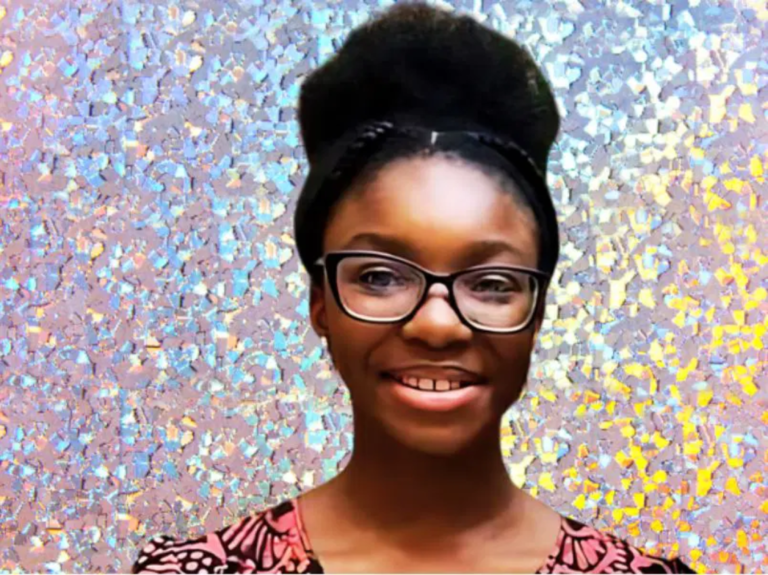
Eniola Shokunbi, a 12-year-old Nigerian-American student from Connecticut, has made significant strides in addressing a pressing issue in schools: the spread of airborne diseases. Inspired by the COVID-19 pandemic, she designed a simple yet effective air filter that has garnered national attention and significant funding.
A Young Mind, A Big Solution
Tasked with creating a solution to enhance school safety during potential future pandemics, Eniola, a fifth-grader at Commodore MacDonough STEM Academy in Middletown, turned her attention to the air we breathe. Her innovative air filter design is not only effective but also remarkably affordable.
The design is straightforward: a box fan, four furnace filters, duct tape, and cardboard. This ingenious combination results in a unit that can be produced for approximately $60, making it a cost-effective alternative to commercial air purifiers.
Scientific Validation
Eniola’s design was rigorously tested with the support of scientists at the University of Connecticut (UConn). The Environmental Protection Agency (EPA) confirmed that the device can eliminate over 99% of airborne viruses, demonstrating its potential to significantly improve classroom safety.
Funding
The Connecticut State Bond Commission recently approved $11.5 million in funding to implement Eniola’s air filters in schools across the state. This funding is part of UConn’s SAFE-CT: Supplemental Air Filtration for Education Program, which aims to equip every public school classroom with these vital air purification systems.
Eniola’s vision extends beyond Connecticut. She aspires to see her air filters implemented in classrooms nationwide, believing that science holds the key to protecting children’s health. Her words resonate: “A lot of people don’t realize that the only thing standing between them and getting sick is science.”
Eniola Shokunbi’s remarkable achievement serves as an inspiration to young people around the world. Her story underscores the power of innovation, the importance of scientific inquiry, and the potential for young minds to make a significant impact on the world.
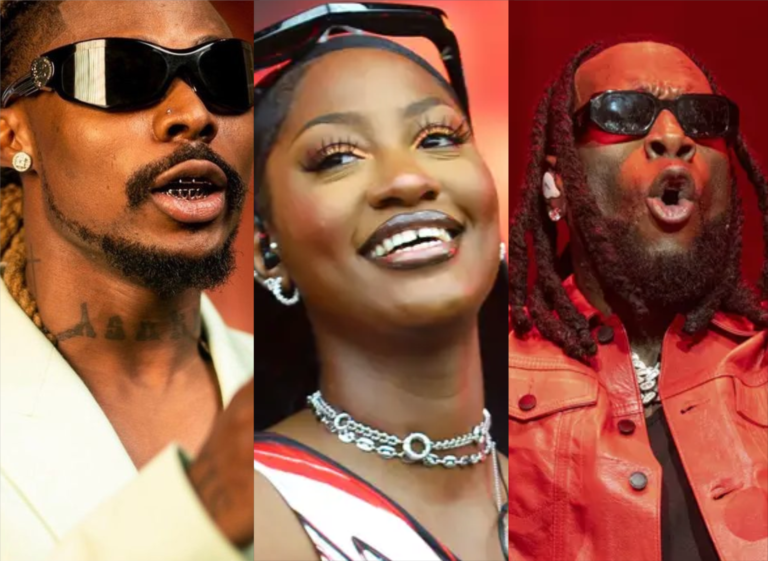
The Nigerian music industry is currently on a global high as several of its top artists have been nominated for the prestigious Grammy Awards 2025. This recognition is a major win for Afrobeats and Nigerian music as a whole, showcasing its immense global influence.
Among the notable nominees are:
Yemi Alade for her song “Tomorrow”
Asake and Wizkid for their collaboration “MMS”
Chris Brown featuring Davido and Lojay for their hit track “Sensational”
Burna Boy for his powerful song “Higher”
Tems for her soulful tune “Love Me Jeje”
These nominations are a testament to the hard work, creativity, and global appeal of these artists. Their music has resonated with audiences worldwide, transcending cultural boundaries and captivating listeners with its unique blend of sounds and rhythms.
The Grammy nominations are a significant achievement for Nigerian music, showcasing the country’s growing influence on the global music scene. As the world eagerly awaits the 2025 Grammy Awards, Nigerian fans and music lovers around the globe are rooting for these talented artists to bring home the coveted award.
See Full Nominations Below:
CATEGORY 1
Record Of The Year
Award to the Artist(s), Album Producer(s), Recording Engineer(s), and/or Mixer(s), and Mastering Engineer(s) if other than the artist.
NOMINEES:
“Now and Then”– The Beatles
Giles Martin & Paul McCartney, producers; Geoff Emerick, Steve Genewick, Jon Jacobs, Greg McAllister, Steve Orchard, Keith Smith, Mark ‘Spike’ Stent & Bruce Sugar, engineers/mixers; Miles Showell, mastering engineer
“TEXAS HOLD ‘EM” – Beyoncé
Beyoncé, Nate Ferraro, Killah B & Raphael Saadiq, producers; Hotae Alexander Jang, Alex Nibley & Stuart White, engineers/mixers; Colin Leonard, mastering engineer
Sean Momberger, Mustard & Sounwave, producers; Ray Charles Brown Jr. & Johnathan Turner, engineers/mixers; Nicolas de Porcel, mastering engineer
“Good Luck, Babe!” – Chappell Roan
Dan Nigro, producer; Mitch McCarthy & Dan Nigro, engineers/mixers; Randy Merrill, mastering engineer
“Fortnight” – Taylor Swift Featuring Post Malone
Jack Antonoff, Louis Bell & Taylor Swift, producers; Louis Bell, Bryce Bordone, Serban Ghenea, Sean Hutchinson, Oli Jacobs, Michael Riddleberger & Laura Sisk, engineers/mixers; Randy Merrill, mastering engineer
CATEGORY 2
Album Of The Year
Award to Artist(s) and to Featured Artist(s), Songwriter(s) of new material, Producer(s), Recording Engineer(s), Mixer(s) and Mastering Engineer(s) credited with 20% or more playing time of the album.)
New Blue Sun – André 3000
André 3000 & Carlos Niño, producers; André 3000, Carlos Niño & Ken Oriole, engineers/mixers; André 3000, Surya Botofasina, Nate Mercereau & Carlos Niño, songwriters; Andy Kravitz, mastering engineer
COWBOY CARTER – Beyoncé
Beyoncé, Terius “The-Dream” Gesteelde-Diamant & Dave Hamelin, producers; Matheus Braz, Brandon Harding, Hotae Alexander Jang, Dani Pampuri & Stuart White, engineers/mixers; Ryan Beatty, Beyoncé, Camaron Ochs, Terius “The-Dream” Gesteelde-Diamant, Dave Hamelin, S. Carter & Raphael Saadiq, songwriters; Colin Leonard, mastering engineer
Short n’ Sweet – Sabrina Carpenter
Jack Antonoff, Julian Bunetta, Ian Kirkpatrick & John Ryan, producers; Bryce Bordone, Julian Bunetta, Serban Ghenea, Jeff Gunnell, Oli Jacobs, Manny Marroquin, John Ryan & Laura Sisk, engineers/mixers; Amy Allen, Jack Antonoff, Julian Bunetta, Sabrina Carpenter, Ian Kirkpatrick, Julia Michaels & John Ryan, songwriters; Nathan Dantzler & Ruairi O’Flaherty, mastering engineers
BRAT – Charli xcx
Charli xcx, Cirkut & A. G. Cook, producers; A. G. Cook, Tom Norris & Geoff Swan, engineers/mixers; Charlotte Aitchison, Henry Walter, Alexander Guy Cook, Finn Keane & Jonathan Christopher Shave, songwriters; Idania Valencia, mastering engineer
Djesse Vol. 4 – Jacob Collier
Jacob Collier, producer; Ben Bloomberg, Jacob Collier & Paul Pouwer, engineers/mixers; Jacob Collier, songwriter; Chris Allgood & Emily Lazar, mastering engineers
Chappell Roan The Rise And Fall Of A Midwest Princess – Chappell Roan
Daniel Nigro, producer; Mitch McCarthy & Daniel Nigro, engineers/mixers; Daniel Nigro & Kayleigh Rose Amstutz, songwriters; Randy Merrill, mastering engineer
THE TORTURED POETS DEPARTMENT – Taylor Swift
Jack Antonoff, Aaron Dessner & Taylor Swift, producers; Zem Audu, Bella Blasko, Bryce Bordone, Serban Ghenea, David Hart, Mikey Freedom Hart, Sean Hutchinson, Oli Jacobs, Jonathan Low, Michael Riddleberger, Christopher Rowe, Laura Sisk & Evan Smith, engineers/mixers; Jack Antonoff, Aaron Dessner & Taylor Swift, songwriters; Randy Merrill, mastering engineer
CATEGORY 3
Song Of The Year
A Songwriter(s) Award. A song is eligible if it was first released or if it first achieved prominence during the Eligibility Year. (Artist names appear in parentheses.) Singles or Tracks only.
“A Bar Song (Tipsy)” — Sean Cook, Jerrel Jones, Joe Kent, Chibueze Collins Obinna, Nevin Sastry & Mark Williams, songwriters (Shaboozey)
“BIRDS OF A FEATHER” — Billie Eilish O’Connell & Finneas O’Connell, songwriters (Billie Eilish)
“Die With A Smile” — Dernst Emile II, James Fauntleroy, Lady Gaga, Bruno Mars & Andrew Watt, songwriters (Lady Gaga & Bruno Mars)
“Fortnight” — Jack Antonoff, Austin Post & Taylor Swift, songwriters (Taylor Swift Featuring Post Malone)
“Good Luck, Babe!” — Kayleigh Rose Amstutz, Daniel Nigro & Justin Tranter, songwriters (Chappell Roan)
“Not Like Us” — Kendrick Lamar, songwriter (Kendrick Lamar)
“TEXAS HOLD ‘EM” — Brian Bates, Beyoncé, Elizabeth Lowell Boland, Megan Bülow, Nate Ferraro & Raphael Saadiq, songwriters (Beyoncé)
CATEGORY 4
Best New Artist
This category recognizes an artist whose eligibility-year release(s) achieved a breakthrough into the public consciousness and notably impacted the musical landscape.
For new vocal or instrumental solo, duo/group or collaborative rock recordings.
“Now and Then” — The Beatles
“Beautiful People (Stay High)” — The Black Keys
“The American Dream Is Killing Me” — Green Day
“Gift Horse” — IDLES
“Dark Matter” — Pearl Jam
“Broken Man” — St. Vincent
Field 2: Rock, Metal & Alternative Music
CATEGORY 15
Best Metal Performance
For new vocal or instrumental solo, duo/group or collaborative metal recordings.
“Mea Culpa (Ah! Ça ira!)” — Gojira, Marina Viotti & Victor Le Masne
“Crown of Horns” — Judas Priest
“Suffocate” — Knocked Loose Featuring Poppy
“Screaming Suicide” — Metallica
“Cellar Door” — Spiritbox
CATEGORY 16
Best Rock Song
A Songwriter(s) Award. Includes Rock, Hard Rock and Metal songs. A song is eligible if it was first released or if it first achieved prominence during the Eligibility Year. (Artist names appear in parentheses.) Singles or Tracks only.
“Beautiful People (Stay High)” — Dan Auerbach, Patrick Carney, Beck Hansen & Daniel Nakamura, songwriters (The Black Keys)
“Dark Matter” — Jeff Ament, Matt Cameron, Stone Gossard, Mike McCready, Eddie Vedder & Andrew Watt, songwriters (Pearl Jam)
“Dilemma” — Billie Joe Armstrong, Tré Cool & Mike Dirnt, songwriters (Green Day)
“Gift Horse” — Jon Beavis, Mark Bowen, Adam Devonshire, Lee Kiernan & Joe Talbot, songwriters (IDLES)
CATEGORY 17
Best Rock Album
For albums containing greater than 75% playing time of new rock, hard rock or metal recordings.
Happiness Bastards — The Black Crowes
Romance — Fontaines D.C.
Saviors — Green Day
TANGK — IDLES
Dark Matter — Pearl Jam
Hackney Diamonds — The Rolling Stones
No Name — Jack White
CATEGORY 18
Best Alternative Music Performance
For new vocal or instrumental solo, duo/group or collaborative Alternative music recordings.
“Neon Pill” — Cage The Elephant
“Song Of The Lake” — Nick Cave & The Bad Seeds
“Starburster” — Fontaines D.C.
“BYE BYE” — Kim Gordon
“Flea” — St. Vincent
CATEGORY 19
Best Alternative Music Album
Vocal or Instrumental.
Wild God — Nick Cave & The Bad Seeds
Charm — Clairo
The Collective — Kim Gordon
What Now — Brittany Howard
All Born Screaming — St. Vincent
Field 3: R&B, Rap & Spoken Word Poetry
CATEGORY 20
Best R&B Performance
For new vocal or instrumental R&B recordings.
“Guidance” — Jhené Aiko
“Residuals” — Chris Brown
“Here We Go (Uh Oh)” — Coco Jones
“Made For Me (Live On BET)” — Muni Long
“Saturn” — SZA
CATEGORY 21
Best Traditional R&B Performance
For new vocal or instrumental traditional R&B recordings.
“Wet” — Marsha Ambrosius
“Can I Have This Groove” — Kenyon Dixon
“No Lie” — Lalah Hathaway Featuring Michael McDonald
“Make Me Forget” — Muni Long
“That’s You” — Lucky Daye
CATEGORY 22
Best R&B Song
A Songwriter(s) Award. A song is eligible if it was first released or if it first achieved prominence during the Eligibility Year. (Artist names appear in parentheses.) Singles or Tracks only.
“After Hours” — Diovanna Frazier, Alex Goldblatt, Kehlani Parrish, Khris Riddick-Tynes & Daniel Upchurch, songwriters (Kehlani)
“Burning” — Ronald Banful & Temilade Openiyi, songwriters (Tems)
“Here We Go (Uh Oh)” — Sara Diamond, Sydney Floyd, Marisela Jackson, Courtney Jones, Carl McCormick & Kelvin Wooten, songwriters (Coco Jones)
“Ruined Me” — Jeff Gitelman, Priscilla Renea & Kevin Theodore, songwriters (Muni Long)
“Saturn” — Rob Bisel, Carter Lang, Solána Rowe, Jared Solomon & Scott Zhang, songwriters (SZA)
CATEGORY 23
Best Progressive R&B Album
For albums containing greater than 75% playing time of newly recorded progressive vocal tracks derivative of R&B.
For albums containing greater than 75% playing time of new R&B recordings.
11:11 (Deluxe) — Chris Brown
VANTABLACK — Lalah Hathaway
Revenge — Muni Long
Algorithm — Lucky Daye
COMING HOME — Usher
CATEGORY 25
Best Rap Performance
For a Rap performance. Singles or Tracks only.
“Enough (Miami)” — Cardi B
“When The Sun Shines Again” — Common & Pete Rock Featuring Posdnuos
“NISSAN ALTIMA” — Doechii
“Houdini” — Eminem
“Like That” — Future & Metro Boomin Featuring Kendrick Lamar
“Yeah Glo!” — GloRilla
“Not Like Us” — Kendrick Lamar
CATEGORY 26
Best Melodic Rap Performance
For a solo or collaborative performance containing both elements of R&B melodies and Rap.
“KEHLANI” — Jordan Adetunji Featuring Kehlani
“SPAGHETTII” — Beyoncé Featuring Linda Martell & Shaboozey
“We Still Don’t Trust You” — Future & Metro Boomin Featuring The Weeknd
“Big Mama” — Latto
“3” — Rapsody Featuring Erykah Badu
CATEGORY 27
Best Rap Song
A Songwriter(s) Award. A song is eligible if it was first released or if it first achieved prominence during the Eligibility Year. (Artist names appear in parentheses.) Singles or Tracks only.
“Carnival” — Jordan Carter, Raul Cubina, Grant Dickinson, Samuel Lindley, Nasir Pemberton, Dimitri Roger, Ty Dolla $ign, Kanye West & Mark Carl Stolinski Williams, songwriters (¥$ (Kanye West & Ty Dolla $Ign) Featuring Rich The Kid & Playboi Carti)
For albums containing greater than 75% playing time of new instrumental jazz recordings.
Owl Song — Ambrose Akinmusire Featuring Bill Frisell & Herlin Riley
Beyond This Place — Kenny Barron Featuring Kiyoshi Kitagawa, Johnathan Blake, Immanuel Wilkins & Steve Nelson
Phoenix Reimagined (Live) — Lakecia Benjamin
Remembrance — Chick Corea & Béla Fleck
Solo Game — Sullivan Fortner
CATEGORY 33
Best Large Jazz Ensemble Album
For albums containing greater than 75% playing time of new large ensemble jazz recordings.
Returning To Forever — John Beasley & Frankfurt Radio Big Band
And So It Goes — The Clayton-Hamilton Jazz Orchestra
Walk A Mile In My Shoe — Orrin Evans & The Captain Black Big Band
Bianca Reimagined: Music for Paws and Persistence — Dan Pugach Big Band
Golden City — Miguel Zenón
CATEGORY 34
Best Latin Jazz Album
For vocal or instrumental albums containing greater than 75% playing time of newly recorded material. The intent of this category is to recognize recordings that represent the blending of jazz with Latin, Iberian-American, Brazilian, and Argentinian tango music.
Spain Forever Again — Michel Camilo & Tomatito
Cubop Lives! — Zaccai Curtis
COLLAB — Hamilton de Holanda & Gonzalo Rubalcaba
Time And Again — Eliane Elias
El Trio: Live in Italy — Horacio ‘El Negro’ Hernández, John Beasley & José Gola
Cuba And Beyond — Chucho Valdés & Royal Quartet
As I Travel — Donald Vega Featuring Lewis Nash, John Patitucci & Luisito Quintero
CATEGORY 35
Best Alternative Jazz Album
For vocal or instrumental albums containing greater than 75% playing time of new Alternative jazz recordings.
Night Reign — Arooj Aftab
New Blue Sun — André 3000
Code Derivation — Robert Glasper
Foreverland — Keyon Harrold
No More Water: The Gospel Of James Baldwin — Meshell Ndegeocello
CATEGORY 36
Best Traditional Pop Vocal Album
For albums containing greater than 75% playing time of new traditional pop recordings.
À Fleur De Peau — Cyrille Aimée
Visions — Norah Jones
Good Together — Lake Street Dive
Impossible Dream — Aaron Lazar
Christmas Wish — Gregory Porter
CATEGORY 37
Best Contemporary Instrumental Album
For albums containing greater than 75% playing time of new contemporary instrumental recordings.
Plot Armor — Taylor Eigsti
Rhapsody In Blue — Béla Fleck
Orchestras (Live) — Bill Frisell Featuring Alexander Hanson, Brussels Philharmonic, Rudy Royston & Thomas Morgan
Mark — Mark Guiliana
Speak To Me — Julian Lage
CATEGORY 38
Best Musical Theater Album
For albums containing greater than 51% playing time of new recordings. Award to the principal vocalist(s), and the album producer(s) of 50% or more playing time of the album. The lyricist(s) and composer(s) of 50% or more of a score of a new recording are eligible for an Award if any previous recording of said score has not been nominated in this category.
Hell’s Kitchen — Shoshana Bean, Brandon Victor Dixon, Kecia Lewis & Meleah Joi Moon, principal vocalists; Adam Blackstone, Alicia Keys & Tom Kitt, producers (Alicia Keys, composer & lyricist) (Original Broadway Cast)
Merrily We Roll Along — Jonathan Groff, Lindsay Mendez & Daniel Radcliffe, principal vocalists; David Caddick, Joel Fram, Maria Friedman & David Lai, producers (Stephen Sondheim, composer & lyricist) (New Broadway Cast)
The Notebook — John Clancy, Carmel Dean, Kurt Deutsch, Derik Lee, Kevin McCollum & Ingrid Michaelson, producers; Ingrid Michaelson, composer & lyricist (Original Broadway Cast)
The Outsiders — Joshua Boone, Brent Comer, Brody Grant & Sky Lakota-Lynch, principal vocalists; Zach Chance, Jonathan Clay, Matt Hinkley, Justin Levine & Lawrence Manchester, producers; Zach Chance, Jonathan Clay & Justin Levine, composers/lyricists (Original Broadway Cast)
Suffs — Andrea Grody, Dean Sharenow & Shaina Taub, producers; Shaina Taub, composer & lyricist (Original Broadway Cast)
The Wiz — Wayne Brady, Deborah Cox, Nichelle Lewis & Avery Wilson, principal vocalists; Joseph Joubert, Allen René Louis & Lawrence Manchester, producers (Charlie Smalls, composer & lyricist) (2024 Broadway Cast Recording)
Field 5: Country & American Roots Music
CATEGORY 39
Best Country Solo Performance
For new vocal or instrumental solo country recordings.
“16 CARRIAGES” — Beyoncé
“I Am Not Okay” — Jelly Roll
“The Architect” — Kacey Musgraves
“A Bar Song (Tipsy)” — Shaboozey
“It Takes A Woman” — Chris Stapleton
CATEGORY 40
Best Country Duo/Group Performance
For new vocal or instrumental duo/group or collaborative country recordings.
“Cowboys Cry Too” — Kelsea Ballerini With Noah Kahan
“II MOST WANTED” — Beyoncé Featuring Miley Cyrus
“Break Mine” — Brothers Osborne
“Bigger Houses” — Dan + Shay
“I Had Some Help” — Post Malone Featuring Morgan Wallen
CATEGORY 41
Best Country Song
A Songwriter(s) Award. A song is eligible if it was first released or if it first achieved prominence during the Eligibility Year. (Artist names appear in parentheses.) Singles or Tracks only.
“A Bar Song (Tipsy)” — Sean Cook, Jerrel Jones, Joe Kent, Chibueze Collins Obinna, Nevin Sastry & Mark Williams, songwriters (Shaboozey)
“I Am Not Okay” — Casey Brown, Jason DeFord, Ashley Gorley & Taylor Phillips, songwriters (Jelly Roll)
“I Had Some Help” — Louis Bell, Ashley Gorley, Hoskins, Austin Post, Ernest Smith, Ryan Vojtesak, Morgan Wallen & Chandler Paul Walters, songwriters (Post Malone Featuring Morgan Wallen)
“TEXAS HOLD ‘EM” — Brian Bates, Beyoncé, Elizabeth Lowell Boland, Megan Bülow, Nate Ferraro & Raphael Saadiq, songwriters (Beyoncé)
CATEGORY 42
Best Country Album
For albums containing greater than 75% playing time of new country recordings.
COWBOY CARTER — Beyoncé
F-1 Trillion — Post Malone
Deeper Well — Kacey Musgraves
Higher — Chris Stapleton
Whirlwind — Lainey Wilson
CATEGORY 43
Best American Roots Performance
For new vocal or instrumental American Roots recordings. This is for performances in the style of any of the subgenres encompassed in the American Roots Music field including bluegrass, blues, folk or regional roots. Award to the artist(s).
“Blame It On Eve” — Shemekia Copeland
“Nothing In Rambling” — The Fabulous Thunderbirds Featuring Bonnie Raitt, Keb’ Mo’, Taj Mahal & Mick Fleetwood
“Lighthouse” — Sierra Ferrell
“The Ballad Of Sally Anne” — Rhiannon Giddens
CATEGORY 44
Best Americana Performance
For new vocal or instrumental Americana performance. Award to the artist(s).
“YA YA” — Beyoncé
“Subtitles” — Madison Cunningham
“Don’t Do Me Good” — Madi Diaz Featuring Kacey Musgraves
“American Dreaming” — Sierra Ferrell
“Runaway Train” — Sarah Jarosz
“Empty Trainload Of Sky” — Gillian Welch & David Rawlings
CATEGORY 45
Best American Roots Song
A Songwriter(s) Award. Includes Americana, bluegrass, traditional blues, contemporary blues, folk or regional roots songs. A song is eligible if it was first released or if it first achieved prominence during the Eligibility Year. (Artist names appear in parentheses.) Singles or Tracks only.
“Ahead Of The Game” — Mark Knopfler, songwriter (Mark Knopfler)
“All In Good Time” — Sam Beam, songwriter (Iron & Wine Featuring Fiona Apple)
“All My Friends” — Aoife O’Donovan, songwriter (Aoife O’Donovan)
“Blame It On Eve” — John Hahn & Will Kimbrough, songwriters (Shemekia Copeland)
CATEGORY 46
Best Americana Album
For albums containing greater than 75% playing time of new vocal or instrumental Americana recordings.
The Other Side — T Bone Burnett
$10 Cowboy — Charley Crockett
Trail Of Flowers — Sierra Ferrell
Polaroid Lovers — Sarah Jarosz
No One Gets Out Alive — Maggie Rose
Tigers Blood — Waxahatchee
CATEGORY 47
Best Bluegrass Album
For albums containing greater than 75% playing time of new vocal or instrumental bluegrass recordings.
I Built A World — Bronwyn Keith-Hynes
Songs of Love and Life — The Del McCoury Band
No Fear — Sister Sadie
Live Vol. 1 — Billy Strings
Earl Jam — Tony Trischka
Dan Tyminski: Live From The Ryman — Dan Tyminski
CATEGORY 48
Best Traditional Blues Album
For albums containing greater than 75% playing time of new vocal or instrumental traditional blues recordings.
Hill Country Love — Cedric Burnside
Struck Down — The Fabulous Thunderbirds
One Guitar Woman — Sue Foley
Sam’s Place — Little Feat
Swingin’ Live at The Church in Tulsa — The Taj Mahal Sextet
CATEGORY 49
Best Contemporary Blues Album
For albums containing greater than 75% playing time of new vocal or instrumental contemporary blues recordings.
Blues Deluxe Vol. 2 — Joe Bonamassa
Blame It On Eve — Shemekia Copeland
Friendlytown — Steve Cropper & The Midnight Hour
Mileage — Ruthie Foster
The Fury — Antonio Vergara
CATEGORY 50
Best Folk Album
For albums containing greater than 75% playing time of new vocal or instrumental folk recordings.
American Patchwork Quartet — American Patchwork Quartet
Weird Faith — Madi Diaz
Bright Future — Adrianne Lenker
All My Friends — Aoife O’Donovan
Woodland — Gillian Welch & David Rawlings
CATEGORY 51
Best Regional Roots Music Album
For albums containing greater than 75% playing time of new vocal or instrumental regional roots music recordings.
25 Back To My Roots — Sean Ardoin And Kreole Rock And Soul
Live At The 2024 New Orleans Jazz & Heritage Festival — Big Chief Monk Boudreaux & The Golden Eagles Featuring J’Wan Boudreaux
Live At The 2024 New Orleans Jazz & Heritage Festival — New Breed Brass Band Featuring Trombone Shorty
Kuini — Kalani Pe’a
Stories From The Battlefield — The Rumble Featuring Chief Joseph Boudreaux Jr.
Field 6: Gospel & Contemporary Christian Music
CATEGORY 52
Best Gospel Performance/Song
This award is given to the artist(s) and songwriter(s) (for new compositions) for the best traditional Christian, roots gospel, or contemporary gospel single or track.
“Church Doors” — Yolanda Adams; Sir William James Baptist & Donald Lawrence, songwriters
“Yesterday” — Melvin Crispell III
“Hold On (Live)” — Ricky Dillard
“Holy Hands” — DOE; Jesse Paul Barrera, Jeffrey Castro Bernat, Dominique Jones, Timothy Ferguson, Kelby Shavon Johnson, Jr., Jonathan McReynolds, Rickey Slikk Muzik Offord & Juan Winans, songwriters
“One Hallelujah” — Tasha Cobbs Leonard, Erica Campbell & Israel Houghton Featuring Jonathan McReynolds & Jekalyn Carr; G. Morris Coleman, Israel Houghton, Kenneth Leonard, Jr., Tasha Cobbs Leonard & Naomi Raine, songwriters
CATEGORY 53
Best Contemporary Christian Music Performance/Song
This award is given to the artist(s) and songwriter(s) (for new compositions) for the best contemporary Christian music single or track (including pop, rap/hip-hop, Latin, or rock).
“Praise” — Elevation Worship Featuring Brandon Lake, Chris Brown & Chandler Moore; Pat Barrett, Chris Brown, Cody Carnes, Steven Furtick, Brandon Lake & Chandler Moore, songwriters
“Firm Foundation (He Won’t)” — Honor & Glory Featuring Disciple
“In The Name Of Jesus” — JWLKRS Worship & Maverick City Music Featuring Chandler Moore; Austin Armstrong, Ran Jackson, Chandler Moore, Sajan Nauriyal, Ella Schnacky, Noah Schnacky & Ilya Toshinskiy, songwriters
“In The Room” — Maverick City Music, Naomi Raine & Chandler Moore Featuring Tasha Cobbs Leonard; G. Morris Coleman, Tasha Cobbs Leonard & Naomi Raine, songwriters
“That’s My King” — CeCe Winans; Taylor Agan, Kellie Gamble, Llyod Nicks & Jess Russ, songwriters
CATEGORY 54
Best Gospel Album
For albums containing greater than 75% playing time of newly recorded, vocal, traditional or contemporary/R&B gospel music recordings.
Covered Vol. 1 — Melvin Crispell III
Choirmaster II (Live) — Ricky Dillard
Father’s Day — Kirk Franklin
Still Karen — Karen Clark Sheard
More Than This — CeCe Winans
CATEGORY 55
Best Contemporary Christian Music Album
For albums containing greater than 75% playing time of newly recorded, vocal, contemporary Christian music, including pop, rap/hip-hop, Latin, or rock recordings.
Heart Of A Human — DOE
When Wind Meets Fire — Elevation Worship
Child Of God — Forrest Frank
Coat Of Many Colors — Brandon Lake
The Maverick Way Complete — Maverick City Music, Naomi Raine & Chandler Moore
CATEGORY 56
Best Roots Gospel Album
For albums containing greater than 75% playing time of newly recorded, vocal, traditional/roots gospel music, including country, Southern gospel, bluegrass, and Americana recordings.
The Gospel Sessions, Vol 2 — Authentic Unlimited
The Gospel According To Mark — Mark D. Conklin
Rhapsody — The Harlem Gospel Travelers
Church — Cory Henry
Loving You — The Nelons
Field 7: Latin, Global, Reggae & New Age, Ambient, or Chant
CATEGORY 57
Best Latin Pop Album
For albums containing greater than 75% playing time of new Latin pop recordings.
Funk Generation — Anitta
El Viaje — Luis Fonsi
GARCÍA — Kany García
Las Mujeres Ya No Lloran — Shakira
ORQUÍDEAS — Kali Uchis
CATEGORY 58
Best Música Urbana Album
For albums containing greater than 75% playing time of new Música Urbana recordings.
nadie sabe lo que va a pasar mañana — Bad Bunny
Rayo — J Balvin
FERXXOCALIPSIS — Feid
LAS LETRAS YA NO IMPORTAN — Residente
att. — Young Miko
CATEGORY 59
Best Latin Rock or Alternative Album
For albums containing greater than 75% playing time of new Latin rock or alternative recordings.
Compita del Destino — El David Aguilar
Pa’ Tu Cuerpa — Cimafunk
Autopoiética — Mon Laferte
GRASA — NATHY PELUSO
¿Quién trae las cornetas? — Rawayana
CATEGORY 60
Best Música Mexicana Album (Including Tejano)
For albums containing greater than 75% playing time of new regional Mexican (banda, norteño, corridos, gruperos, mariachi, ranchera and Tejano) recordings.
Diamantes — Chiquis
Boca Chueca, Vol. 1 — Carín León
ÉXODO — Peso Pluma
De Lejitos — Jessi Uribe
CATEGORY 61
Best Tropical Latin Album
For albums containing greater than 75% playing time of new tropical Latin recordings.
MUEVENSE — Marc Anthony
Bailar — Sheila E.
Radio Güira — Juan Luis Guerra 4.40
Alma, Corazón y Salsa (Live at Gran Teatro Nacional) — Tony Succar, Mimy Succar
Vacilón Santiaguero — Kiki Valera
CATEGORY 62
Best Global Music Performance
For new vocal or instrumental Global music recordings.
“Raat Ki Rani” — Arooj Aftab
“A Rock Somewhere” — Jacob Collier Featuring Anoushka Shankar & Varijashree Venugopal
Chapter II: How Dark It Is Before Dawn — Anoushka Shankar
Warriors Of Light — Radhika Vekaria
Field 8: Children’s, Comedy, Audio Books, Visual Media & Music Video/Film
CATEGORY 67
Best Children’s Music Album
For albums containing greater than 75% playing time of new musical or spoken word recordings that are created and intended specifically for children.
Brillo, Brillo! — Lucky Diaz And The Family Jam Band
Creciendo — Lucy Kalantari & The Jazz Cats
My Favorite Dream — John Legend
Solid Rock Revival — Rock For Children
World Wide Playdate — Divinity Roxx and Divi Roxx Kids
CATEGORY 68
Best Comedy Album
For albums containing greater than 75% playing time of new recordings.
Armageddon — Ricky Gervais
The Dreamer — Dave Chappelle
The Prisoner — Jim Gaffigan
Someday You’ll Die — Nikki Glaser
Where Was I — Trevor Noah
CATEGORY 69
Best Audio Book, Narration, and Storytelling Recording
For an album that is spoken word in format.
All You Need Is Love: The Beatles in Their Own Words (Various Artists) — Guy Oldfield, producer
…And Your Ass Will Follow — George Clinton
Behind the Seams: My Life in Rhinestones — Dolly Parton
Last Sundays in Plains: A Centennial Celebration — Jimmy Carter
My Name Is Barbra — Barbra Streisand
CATEGORY 70
Best Compilation Soundtrack For Visual Media
Award to the principal artist(s) and/or ‘in studio’ producer(s) of a majority of the tracks on the album. Award also goes to appropriately credited music supervisor(s).
The Color Purple — (Various Artists)
Deadpool & Wolverine — (Various Artists)
Maestro: Music By Leonard Bernstein — London Symphony Orchestra, Yannick Nézet-Séguin, Bradley Cooper
Saltburn — (Various Artists)
Twisters: The Album — (Various Artists)
CATEGORY 71
Best Score Soundtrack For Visual Media (Includes Film And Television)
Award to Composer(s) for an original score created specifically for a current motion picture, television show, or series.
Shōgun — Nick Chuba, Atticus Ross & Leopold Ross, composers
CATEGORY 72
Best Score Soundtrack for Video Games and Other Interactive Media
Award to Composer(s) for an original score created specifically for, or as a companion to, video games and other interactive media.
Avatar: Frontiers of Pandora — Pinar Toprak, composer
God of War Ragnarök: Valhalla — Bear McCreary, composer
Marvel’s Spider-Man 2 — John Paesano, composer
Star Wars Outlaws — Wilbert Roget, II, composer
Wizardry: Proving Grounds of the Mad Overlord — Winifred Phillips, composer
CATEGORY 73
Best Song Written For Visual Media
A Songwriter(s) award. For a song (melody & lyrics) written specifically for a motion picture, television, video game or other visual media. Singles or Tracks only.
Ain’t No Love In Oklahoma [From “Twisters: The Album”] — Jessi Alexander, Luke Combs & Jonathan Singleton, songwriters (Luke Combs)
Better Place [From “TROLLS Band Together”] — Amy Allen, Shellback & Justin Timberlake, songwriters (*NSYNC & Justin Timberlake)
Can’t Catch Me Now [From “The Hunger Games: The Ballad of Songbirds & Snakes”] — Daniel Nigro & Olivia Rodrigo, songwriters (Olivia Rodrigo)
It Never Went Away [From “American Symphony”] — Jon Batiste & Dan Wilson, songwriters (Jon Batiste)
Love Will Survive [From “The Tattooist of Auschwitz”] — Walter Afanasieff, Charlie Midnight, Kara Talve & Hans Zimmer, songwriters (Barbra Streisand)
CATEGORY 74
Best Music Video
Award to the artist, video director, and video producer.
“Tailor Swif” — A$AP Rocky
Vania Heymann & Gal Muggia, video directors
“360” — Charli xcx
Aidan Zamiri, video director; Jami Arceo & Evan Thicke, video producers
“Houdini” — Eminem
Rich Lee, video director; Kathy Angstadt, Lisa Arianna & Justin Diener, video producers
“Not Like Us” — Kendrick Lamar
Dave Free & Kendrick Lamar, video directors; Jack Begert, Sam Canter & Jamie Rabineau, video producers
“Fortnight” — Taylor Swift Featuring Post Malone
Taylor Swift, video director; Jil Hardin, video producer
CATEGORY 75
Best Music Film
For concert/performance films or music documentaries. Award to the artist, video director, and video producer.
“American Symphony” — Jon Batiste
Matthew Heineman, video director; Lauren Domino, Matthew Heineman & Joedan Okun, video producers
“June” — (June Carter Cash)
Kristen Vaurio, video director; Josh Matas, Sarah Olson, Jason Owen, Mary Robertson & Kristen Vaurio, video producers
“Kings From Queens” — Run DMC
Kirk Fraser, video director; William H. Masterson III, video producer
“Stevie Van Zandt: Disciple” — Steven Van Zandt
Bill Teck, video director; Robert Cotto, David Fisher & Bill Teck, video producers
“The Greatest Night in Pop” — (Various Artists)
Bao Nguyen, video director; Bruce Eskowitz, George Hencken, Larry Klein, Julia Nottingham, Lionel Richie & Harriet Sternberg, video producers
Field 9: Package, Notes & Historical
CATEGORY 76
Best Recording Package
For the best artistic package of an album.
The Avett Brothers — Jonny Black & Giorgia Sage, art directors (The Avett Brothers)
Baker Hotel — Sarah Dodds & Shauna Dodds, art directors (William Clark Green)
BRAT — Brent David Freaney & Imogene Strauss, art directors (Charli xcx)
F-1 Trillion — Archie Lee Coates IV, Jeffrey Franklin, Blossom Liu, Kylie McMahon & Ana Cecilia Thompson Motta, art directors (Post Malone)
Hounds Of Love The Baskerville Edition — Kate Bush & Albert McIntosh, art directors (Kate Bush)
CATEGORY 77
Best Boxed Or Special Limited Edition Package
For the best package of a special edition album.
Half Living Things — Patrick Galvin, art director (Alpha Wolf)
Hounds Of Love The Boxes Of Lost At Sea — Kate Bush & Albert McIntosh, art directors (Kate Bush)
In Utero — Doug Cunningham & Jason Noto, art directors (Nirvana)
Mind Games — Simon Hilton & Sean Ono Lennon, art directors (John Lennon)
Unsuk Chin — Takahiro Kurashima & Marek Polewski, art directors (Unsuk Chin & Berliner Philharmoniker)
CATEGORY 78
Best Album Notes
Award to the album notes writer.
After Midnight — Tim Brooks, album notes writer (Ford Dabney’s Syncopated Orchestras)
The Carnegie Hall Concert — Lauren Du Graf, album notes writer (Alice Coltrane)
Centennial — Ricky Riccardi, album notes writer (King Oliver’s Creole Jazz Band & Various Artists)
John Culshaw — The Art Of The Producer – The Early Years 1948-55 — Dominic Fyfe, album notes writer (John Culshaw)
SONtrack Original De La Película “Al Son De Beno” — Josh Kun, album notes writer (Various Artists)
CATEGORY 79
Best Historical Album
For historical albums containing reissues or compilations. Award to compilation producers and mastering engineers.
Centennial — Meagan Hennessey & Richard Martin, compilation producers; Richard Martin, mastering engineer (King Oliver’s Creole Jazz Band And Various Artists)
Diamonds And Pearls: Super Deluxe Edition — Charles F. Spicer, Jr. & Duane Tudahl, compilation producers; Brad Blackwood & Bernie Grundman, mastering engineers (Prince & The New Power Generation)
Paul Robeson – Voice of Freedom: His Complete Columbia, RCA, HMV, and Victor Recordings — Tom Laskey & Robert Russ, compilation producers; Nancy Conforti & Andreas K. Meyer, mastering engineers (Paul Robeson)
Pepito y Paquito — Pepe De Lucía & Javier Doria, compilation producers; Jesús Bola, mastering engineer (Pepe De Lucía And Paco De Lucía)
The Sound Of Music (Original Soundtrack Recording – Super Deluxe Edition) — Mike Matessino & Mark Piro, compilation producers; Steve Genewick & Mike Matessino, mastering engineers (Rodgers & Hammerstein & Julie Andrews)
CATEGORY 80
Best Engineered Album, Non-Classical
An Engineer’s Award. (Artists’ names appear in parentheses.)
Algorithm — Dernst Emile II, Michael B. Hunter, Stephan Johnson, Rachel Keen, John Kercy, Charles Moniz & Todd Robinson, engineers; Colin Leonard, mastering engineer (Lucky Daye)
Cyan Blue — Jack Emblem, Jack Rochon & Charlotte Day Wilson, engineers; Chris Gehringer, mastering engineer (Charlotte Day Wilson)
Deeper Well — Craig Alvin, Shawn Everett, Mai Leisz, Todd Lombardo, John Rooney, Konrad Snyder & Daniel Tashian, engineers; Greg Calbi, mastering engineer (Kacey Musgraves)
empathogen — Beatriz Artola, Zach Brown, Oscar Cornejo, Chris Greatti & Mitch McCarthy, engineers; Joe La Porta, mastering engineer (WILLOW)
i/o — Tchad Blake, Oli Jacobs, Katie May & Dom Shaw, engineers; Matt Colton, mastering engineer (Peter Gabriel)
Short n’ Sweet — Bryce Bordone, Julian Bunetta, Serban Ghenea, Jeff Gunnell, Oli Jacobs, Ian Kirkpatrick, Jack Manning, Manny Marroquin, John Ryan & Laura Sisk, engineers; Nathan Dantzler & Ruairi O’Flaherty, mastering engineers (Sabrina Carpenter)
CATEGORY 81
Best Engineered Album, Classical
An Engineer’s Award. (Artists’ names appear in parentheses.)
Adams: Girls Of The Golden West — Alexander Lipay & Dmitriy Lipay, engineers; Alexander Lipay & Dmitriy Lipay, mastering engineers (John Adams, Daniela Mack, Ryan McKinny, Paul Appleby, Hye Jung Lee, Elliot Madore, Julia Bullock, Davóne Tines, Los Angeles Philharmonic & Los Angeles Master Chorale)
Andres: The Blind Banister — Silas Brown, Doron Schachter & Michael Schwartz, engineers; Matt Colton, mastering engineer (Andrew Cyr, Inbal Segev & Metropolis Ensemble)
Bruckner: Symphony No. 7; Bates: Resurrexit — Mark Donahue & John Newton, engineers; Mark Donahue, mastering engineer (Manfred Honeck & Pittsburgh Symphony Orchestra)
Clear Voices In The Dark — Daniel Shores, engineer; Daniel Shores, mastering engineer (Matthew Guard & Skylark Vocal Ensemble)
Ortiz: Revolución Diamantina — Alexander Lipay & Dmitriy Lipay, engineers; Alexander Lipay & Dmitriy Lipay, mastering engineers (Gustavo Dudamel, María Dueñas, Los Angeles Philharmonic & Los Angeles Master Chorale)
CATEGORY 82
Producer Of The Year, Classical
A Producer’s Award. (Artist names appear in parentheses.) (S) stands for Single, (T) stands for Track, and (A) stands for Album.
Adams: Girls Of The Golden West (John Adams, Daniela Mack, Ryan McKinny, Paul Appleby, Hye Jung Lee, Elliot Madore, Julia Bullock, Davóne Tines, Los Angeles
Philharmonic & Los Angeles Master Chorale) (A)
Messiaen: Des Canyons Aux Étoiles… (Ludovic Morlot & Seattle Symphony) (A)
Ortiz: Revolución Diamantina (Gustavo Dudamel, Gabriela Ortiz, María Dueñas, Los Angeles Philharmonic, Los Angeles Master Chorale) (A)
Elaine Martone
Bartók: String Quartet No.3; Suite From ‘The Miraculous Mandarin‘ (Franz Welser-Möst & The Cleveland Orchestra) (A)
Dvořák: Symphony No. 9, ‘From The New World’; American Suite (Nathalie Stutzmann & Atlanta Symphony Orchestra) (A)
Radiance Untethered – The Choral Music Of John Wykoff (Cameron F. Labarr & Missouri State University Chorale) (A)
Field 10: Production, Engineering, Composition & Arrangement
CATEGORY 83
Best Immersive Audio Album
For albums in any genre that provide a new immersive audio experience. Award to the immersive mix engineer, immersive mastering engineer, and immersive producer (if applicable).
Genius Loves Company — Michael Romanowski, Eric Schilling & Herbert Waltl, immersive mix engineers; Michael Romanowski, immersive mastering engineer; John Burk, immersive producer (Ray Charles With Various Artists)
A Composer’s Award for an original composition (not an adaptation) first released during the Eligibility Year. Singles or Tracks only.
“At Last” — Shelton G. Berg, composer (Shelly Berg)
“Communion” — Christopher Zuar, composer (Christopher Zuar Orchestra)
“I Swear, I Really Wanted To Make A “Rap” Album But This Is Literally The Way The Wind Blew Me This Time” — André 3000, Surya Botofasina, Nate Mercereau & Carlos Niño, composers (André 3000)
“Remembrance” — Chick Corea, composer (Chick Corea & Béla Fleck)
“Strands” — Pascal Le Boeuf, composer (Akropolis Reed Quintet, Pascal Le Boeuf & Christian Euman)CATEGORY 85
Best Arrangement, Instrumental or A Cappella
An Arranger’s Award. (Artist names appear in parentheses.) Singles or Tracks only.
“Baby Elephant Walk – Encore” — Michael League, arranger (Snarky Puppy)
“Bridge Over Troubled Water” — Jacob Collier, Tori Kelly & John Legend, arrangers (Jacob Collier Featuring John Legend & Tori Kelly)
“Rhapsody In Blue(Grass)” — Béla Fleck & Ferde Grofé, arrangers (Béla Fleck Featuring Michael Cleveland, Sierra Hull, Justin Moses, Mark Schatz & Bryan Sutton)
“Rose Without The Thorns” — Erin Bentlage, Alexander Lloyd Blake, Scott Hoying, A.J. Sealy & Amanda Taylor, arrangers (Scott Hoying Featuring säje & Tonality)
“Stravinsky: The Firebird” — Esa-Pekka Salonen, conductor (San Francisco Symphony)
CATEGORY 88
Best Opera Recording
Award to the conductor, album producer(s), and principal soloists, and to the composer and librettist (if applicable) of a world premiere Opera recording only.
“Adams: Girls Of The Golden West” — John Adams, conductor; Paul Appleby, Julia Bullock, Hye Jung Lee, Daniela Mack, Elliot Madore, Ryan McKinny & Davóne Tines; Dmitriy Lipay, producer (Los Angeles Philharmonic; Los Angeles Master Chorale)
“Catán: Florencia En El Amazonas” — Yannick Nézet-Séguin, conductor; Mario Chang, Michael Chioldi, Greer Grimsley, Nancy Fabiola Herrera, Mattia Olivieri, Ailyn Pérez & Gabriella Reyes; David Frost, producer (The Metropolitan Opera Orchestra; The Metropolitan Opera Chorus)
“Moravec: The Shining” — Gerard Schwarz, conductor; Tristan Hallett, Kelly Kaduce & Edward Parks; Blanton Alspaugh, producer (Kansas City Symphony; Lyric Opera Of Kansas City Chorus)
“Puts: The Hours” — Yannick Nézet-Séguin, conductor; Joyce DiDonato, Renée Fleming & Kelli O’Hara; David Frost, producer (Metropolitan Opera Orchestra; Metropolitan Opera Chorus)
“Saariaho: Adriana Mater” — Esa-Pekka Salonen, conductor; Fleur Barron, Axelle Fanyo, Nicholas Phan & Christopher Purves; Jason O’Connell, producer (San Francisco Symphony; San Francisco Symphony Chorus; Timo Kurkikangas)
CATEGORY 89
Best Choral Performance
Award to the conductor, and to the choral director and/or chorus master where applicable and to the choral organization/ensemble.
“Clear Voices In The Dark” — Matthew Guard, conductor (Carrie Cheron, Nathan Hodgson, Helen Karloski & Clare McNamara; Skylark Vocal Ensemble)
“A Dream So Bright: Choral Music Of Jake Runestad” — Eric Holtan, conductor (Jeffrey Biegel; True Concord Orchestra; True Concord Voices)
“Handel: Israel in Egypt” — Jeannette Sorrell, conductor (Margaret Carpenter Haigh, Daniel Moody, Molly Netter, Jacob Perry & Edward Vogel; Apollo’s Fire; Apollo’s Singers)
“Ochre” — Donald Nally, conductor (The Crossing)
“Sheehan: Akathist” — Elaine Kelly, conductor; Melissa Attebury, Stephen Sands & Benedict Sheehan, chorus masters (Elizabeth Bates, Paul D’Arcy, Tynan Davis, Aine Hakamatsuka, Steven Hrycelak, Helen Karloski, Enrico Lagasca, Edmund Milly, Fotina Naumenko, Neil Netherly, Timothy Parsons, Stephen Sands, Miriam Sheehan & Pamela Terry; Novus NY; Artefact Ensemble, The Choir Of Trinity Wall Street, Downtown Voices & Trinity Youth Chorus)
CATEGORY 90
Best Chamber Music/Small Ensemble Performance
Award to the ensemble and conductor if applicable.
“Adams, J.L.: Waves & Particles” — JACK Quartet
“Beethoven For Three: Symphony No. 4 and Op. 97, ‘Archduke'” — Yo-Yo Ma, Leonidas Kavakos & Emanuel Ax
“Rectangles and Circumstance” — Caroline Shaw & Sō Percussion
CATEGORY 91
Best Classical Instrumental Solo
Award to the instrumental soloist(s) and to the conductor when applicable.
“Akiho: Longing” — Andy Akiho
“Bach: Goldberg Variations” — Víkingur Ólafsson
“Eastman: The Holy Presence Of Joan D’Arc” — Seth Parker Woods; Christopher Rountree, conductor (Wild Up)
“Entourer” — Mak Grgić (Ensemble Dissonance)
“Perry: Concerto For Violin & Orchestra” — Curtis Stewart; James Blachly, conductor (Experiential Orchestra)
CATEGORY 92
Best Classical Solo Vocal Album
Award to vocalist(s), collaborative artist(s) (e.g., pianists, conductors), producer(s), and recording engineers/mixers with greater than 50% playing time of new material.
Beyond The Years – Unpublished Songs Of Florence Price — Karen Slack, soloist; Michelle Cann, pianist
A Change Is Gonna Come — Nicholas Phan, soloist; Palaver Strings, ensembles
Award to the artist(s) and to the album producer(s) and engineer(s) of over 50% playing time of the album, and to the composer and librettist (if applicable) with over 50% playing time of a world premiere recording only.
Akiho: BeLonging — Andy Akiho & Imani Winds; Andy Akiho, Sean Dixon & Mark Dover, producers
American Counterpoints — Curtis Stewart; James Blachly, conductor; Blanton Alspaugh, producer
Foss: Symphony No. 1; Renaissance Concerto; Three American Pieces; Ode — JoAnn Falletta, conductor; Bernd Gottinger, producer
***Mythologies II ***— Sangeeta Kaur, Omar Najmi, Hilá Plitmann, Robert Thies & Danaë Xanthe Vlasse; Michael Shapiro, conductor; Jeff Atmajian, Emilio D. Miler, Hai Nguyen, Robert Thies, Danaë Xanthe Vlasse & Kitt Wakeley, producers
A Composer’s Award. (For a contemporary classical composition composed within the last 25 years, and released for the first time during the Eligibility Year.) Award to the librettist, if applicable.
Casarrubios: Seven For Solo Cello — Andrea Casarrubios, composer (Andrea Casarrubios)
Lang: Composition As Explanation — David Lang, composer (Eighth Blackbird)
Ortiz: Revolución Diamantina — Gabriela Ortiz, composer (Gustavo Dudamel, Los Angeles Philharmonic & Los Angeles Master Chorale)
Saariaho: Adriana Mater — Kaija Saariaho, composer (Esa-Pekka Salonen, Fleur Barron, Nicholas Phan, Christopher Purves, Axelle Fanyo, San Francisco Symphony Chorus & Orchestra)
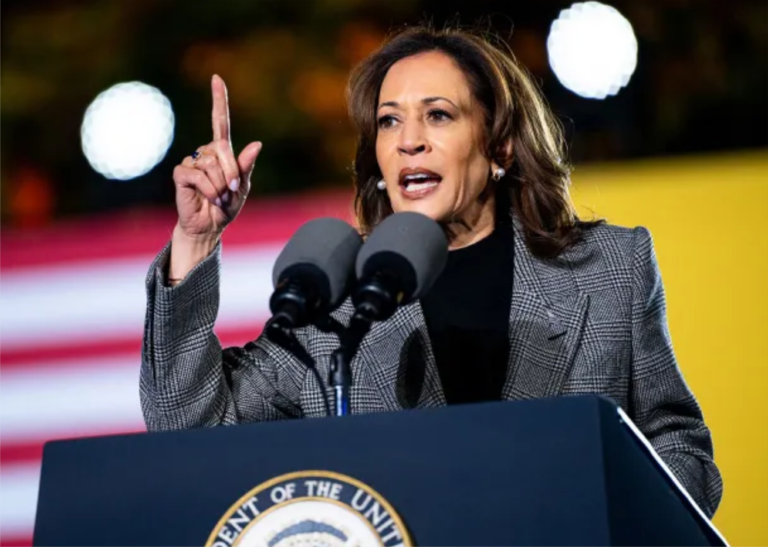
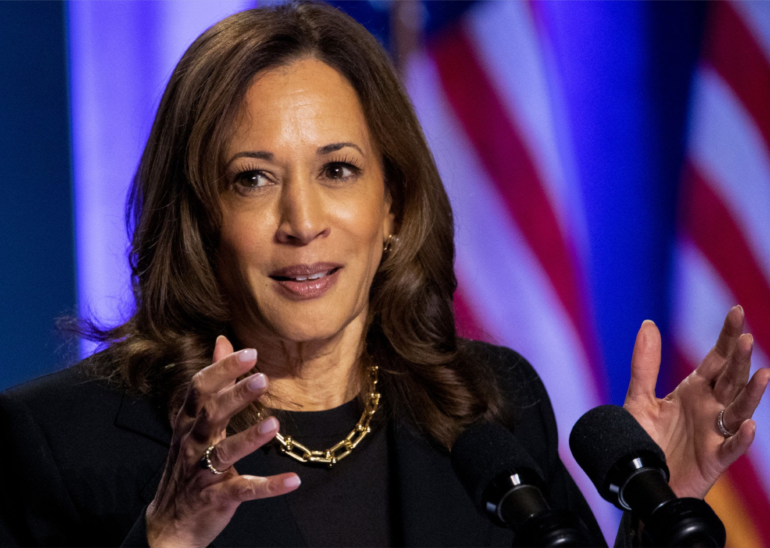
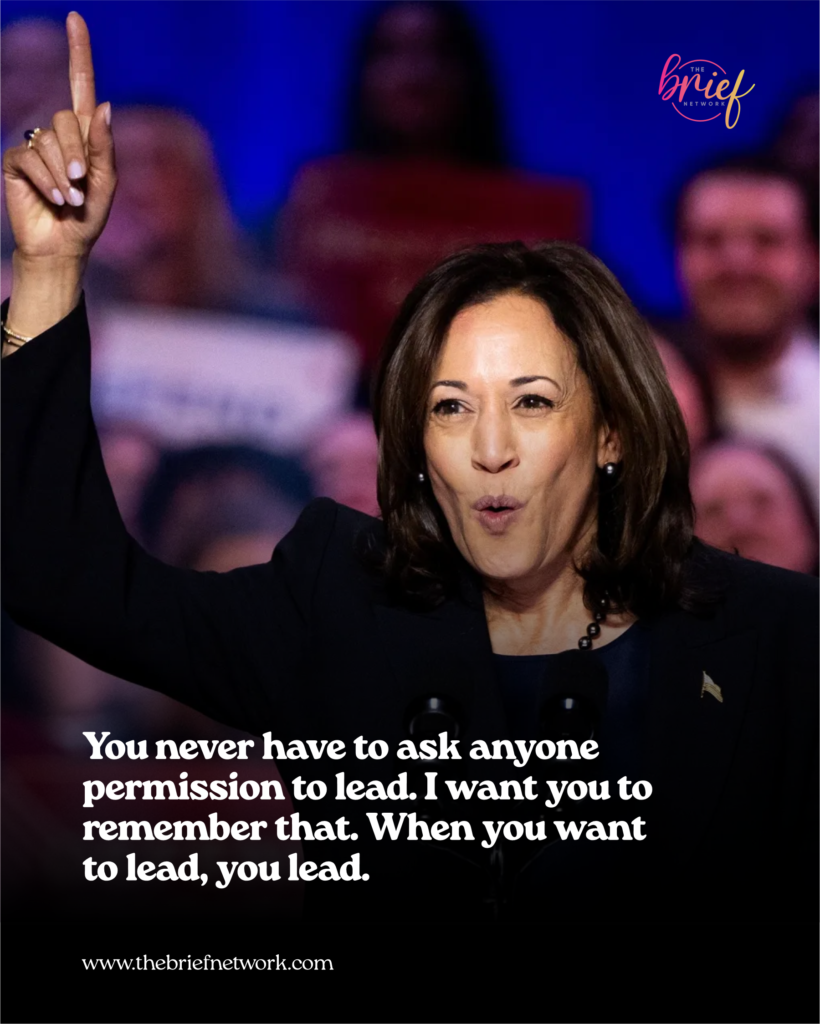
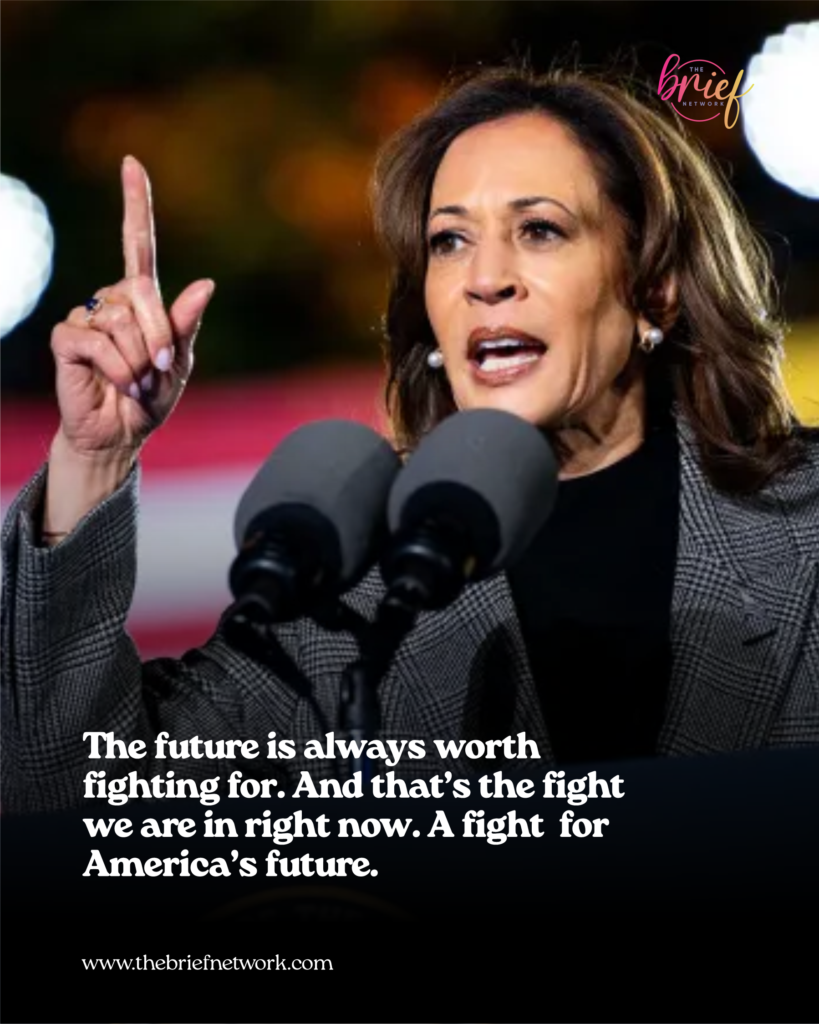
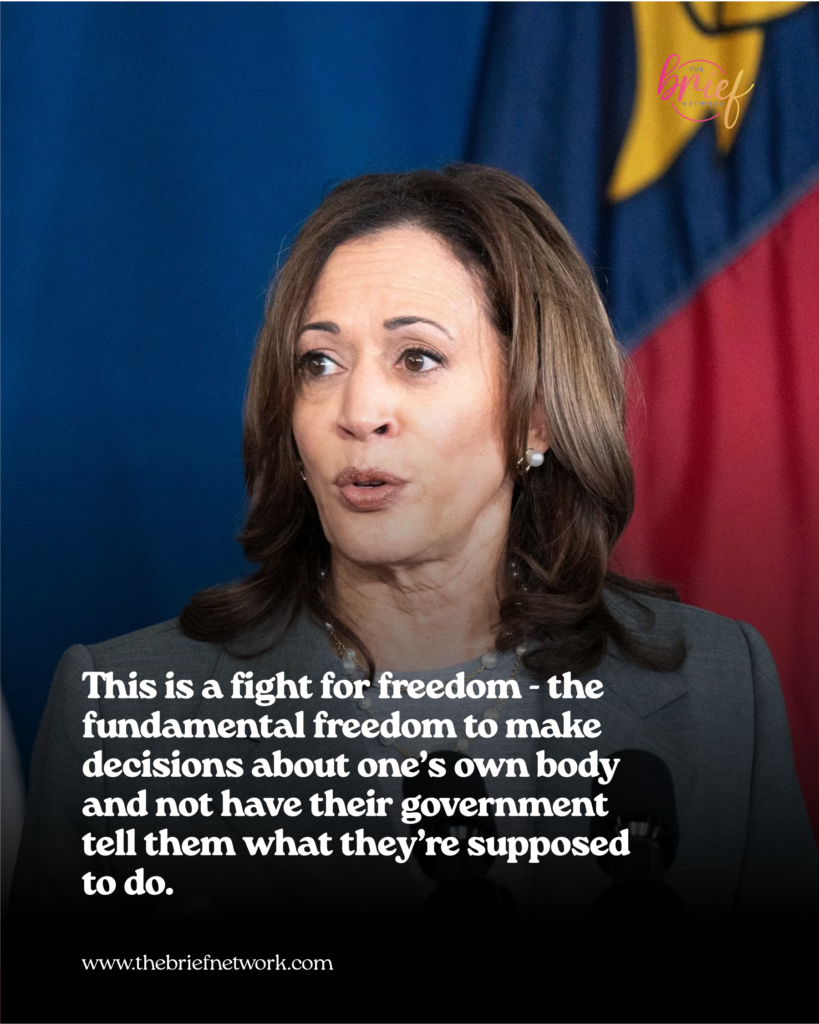
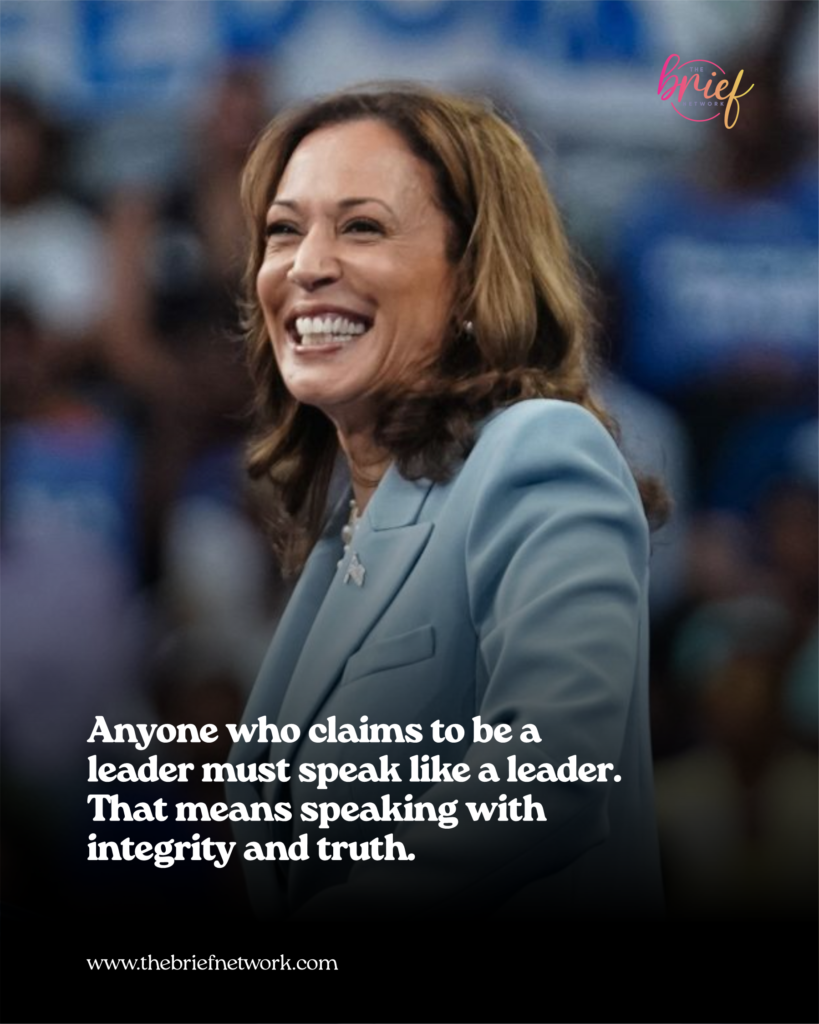
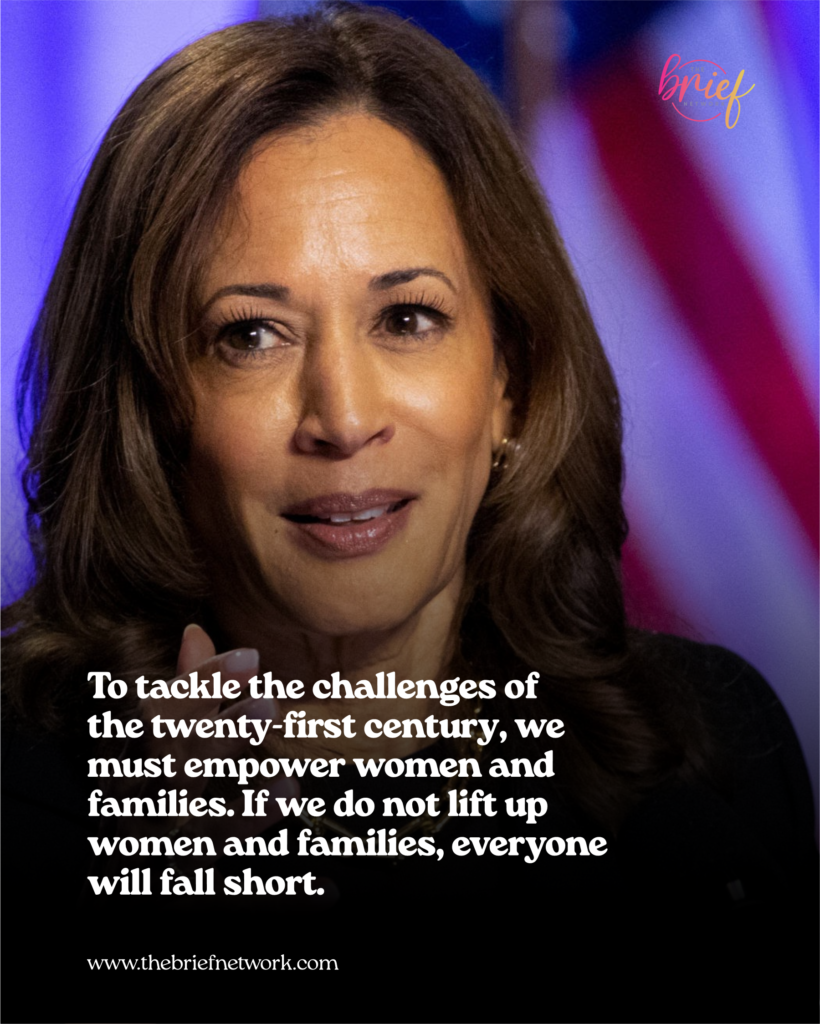
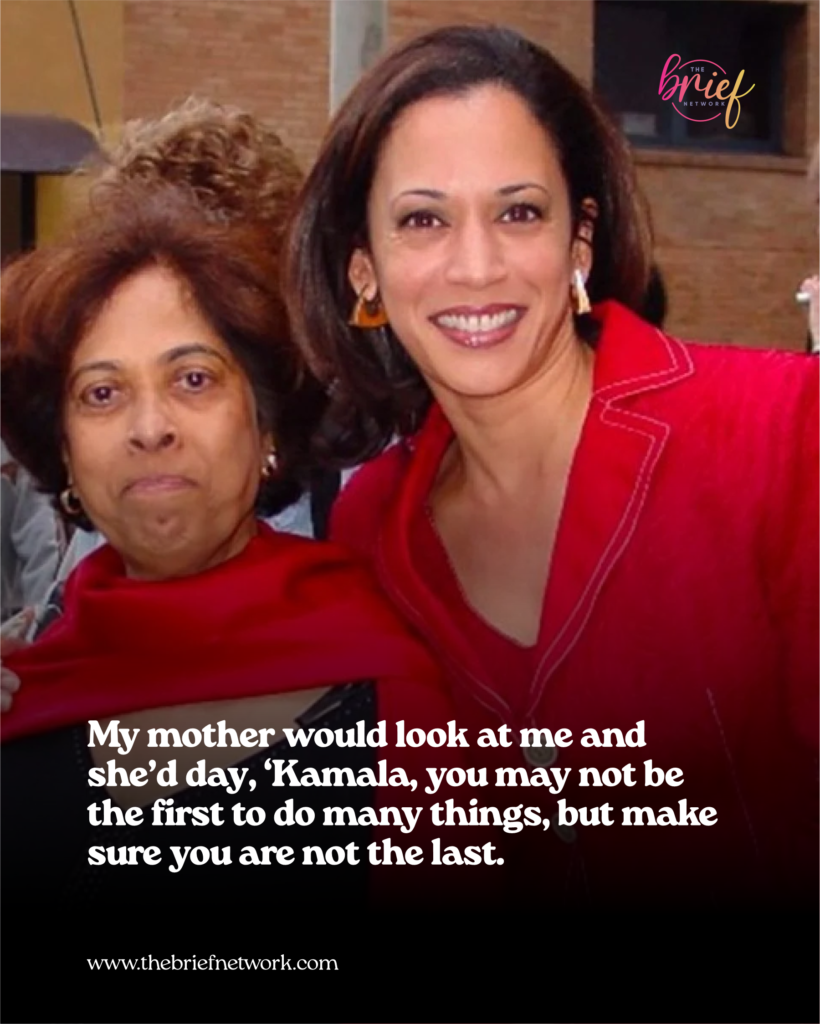
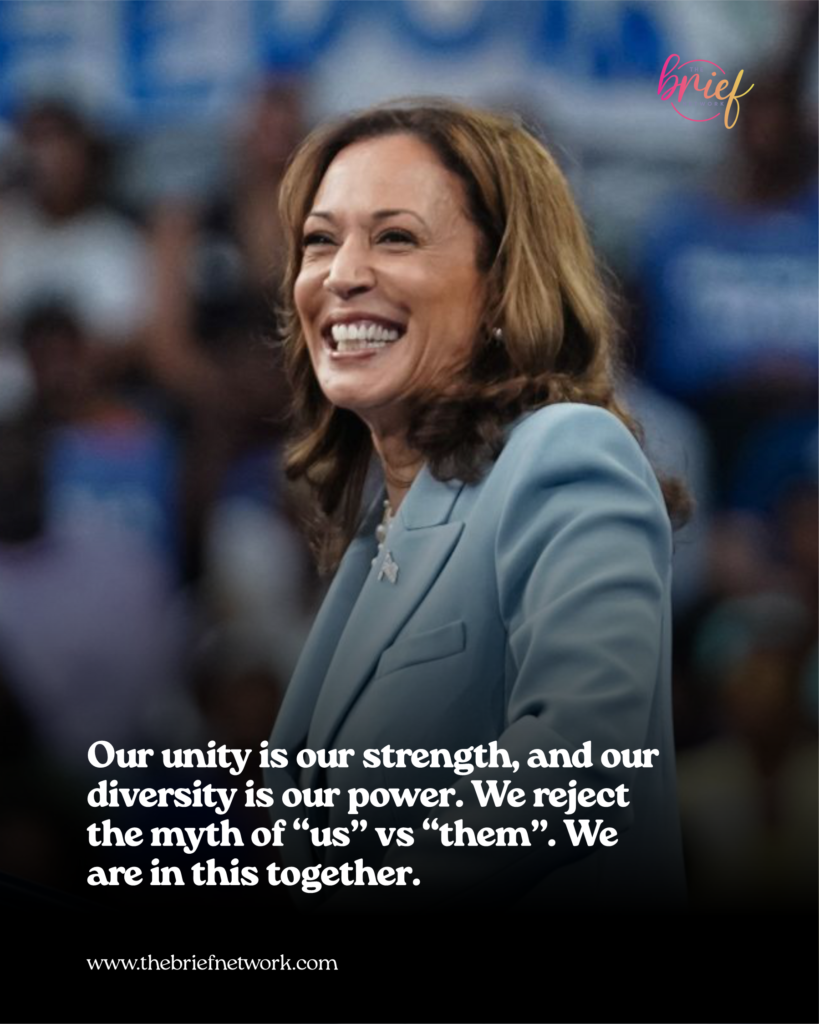
Madam VP, your journey is a testament to the power of resilience and determination. Your unwavering commitment to public service has left an enduring legacy that will inspire generations to come.
From the historic announcement that shattered glass ceilings to the powerful debates that showcased your sharp intellect, your campaign was a whirlwind of inspiring moments. You connected with people from all walks of life, igniting a grassroots movement that defied expectations. Your ability to raise record-breaking funds and create viral moments demonstrated the power of authenticity and relatability.
Even in the face of adversity, you emerged stronger, uniting people from diverse backgrounds and inspiring hope. Your election night victory was a historic milestone, marking a new era of leadership and progress.
Thank you for showing us that with courage, perseverance, and a relentless pursuit of justice, anything is possible.
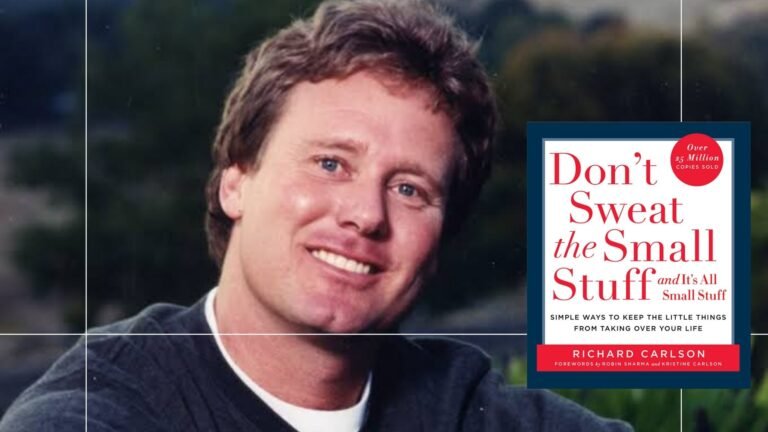
In a world where stress and distractions often pull us in every direction, Don’t Sweat the Small Stuff – and it’s all small stuff by Richard Carlson offers a refreshing perspective on finding peace amidst the chaos. With over 25 million copies sold worldwide, this self-help classic delivers simple, practical advice to help us let go of the little things that consume our energy. Carlson’s 100 short, insightful chapters invite readers to shift their mindset, embrace acceptance, and discover joy in life’s simplicity.
Do Something Nice for Someone Else - and Don't Tell Anyone About It
As long as you think more is better, you’ll never be satisfied. Learning to be satisfied doesn't mean you can't, don't, or shouldn't ever want more than you have, only that your happiness isn't contingent on it.
The key to a good life is this: If you’re not going to talk about something during the last hour of your life, then don’t make it a top priority during your lifetime. Ask yourself the question, ‘Will this matter a year from now?
Choose Being Kind over Being Right. When your goal is to build people up, to make them feel better, to share in their joy, you too reap the rewards of their positive feelings
When we judge or criticize another person, it says nothing about that person; it merely says something about our own need to be critical.
Humility and inner peace go hand in hand. The less compelled you are to try to prove yourself to others, the easier it is to feel peaceful inside.
Something wonderful begins to happen with the simple realization that life, like an automobile, is driven from the inside out, not the other way around. As you focus more on becoming more peaceful with where you are, rather than focusing on where you would rather be, you begin to find peace right now, in the present. Then, as you move around, try new things, and meet new people, you carry that sense of inner peace with you. It’s absolutely true that, ‘Wherever you go, there you are'.
We live our lives as if they were one big emergency! We often rush around looking busy, trying to solve problems, but in reality, we are often compounding them.
Effective listening is more than simply avoiding the bad habit of interrupting others while they are speaking or finishing their sentences. It’s being content to listen to the entire thought of someone rather than waiting impatiently for your chance to respond.
Be Grateful when You're Feeling Good and Graceful when You're Feeling Bad. Often the difference between a person who is happy and someone who is unhappy isn't how often they get low, or even how low they drop, but instead, it's what they do with their low moods.
If you’re ready to cultivate a more mindful, balanced, and joyful approach to life, Don’t Sweat the Small Stuff is a perfect read to remind you of what truly matters. Dive in, and let Carlson’s gentle wisdom guide you towards a more peaceful and fulfilling life.