


When you hear the name Steven Spielberg, you think of Jurassic Park, E.T., Jaws, and films that have shaped modern cinema and influenced generations of viewers. You think of mastery, of someone who seemed destined for greatness. But his path to becoming the filmmaker we admire today did not begin with overnight success or instant recognition. Long before global fame, there was rejection, uncertainty, and a belief that had not yet been proven.
As a child, Spielberg struggled academically, often feeling misunderstood and underestimated. For years, he lived with undiagnosed dyslexia, at a time when learning differences were rarely recognized or accommodated. Film became a language he understood instinctively.
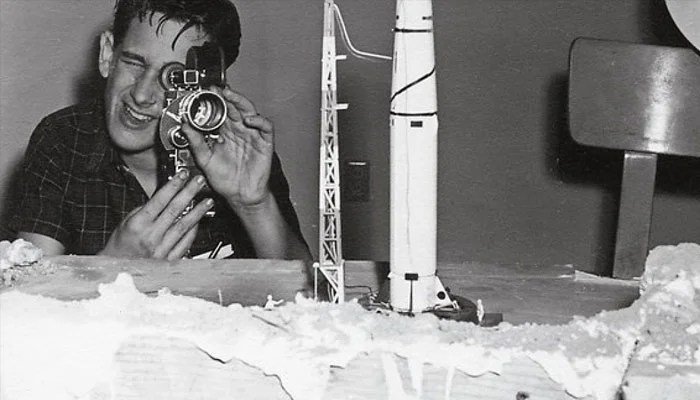
His father gave him an 8mm camera, and with it, he started filming everything he could. He recreated scenes, directed neighborhood friends, and taught himself how stories could be told through images. Movies became his refuge.
When it was time to pursue film formally, he applied to the University of Southern California’s School of Cinematic Arts. It was the place he believed would give shape to his future. He applied once and was rejected. He applied again and received the same answer. His grades, they said, were not good enough. For someone who felt most alive behind a camera, the rejection was a hard blow.
Instead of walking away, Spielberg chose another route. He enrolled at California State University, Long Beach, but more importantly, he found a way to sneak onto the Universal Studios Lot. He dressed like the people who worked there, carried himself like he belonged, and slipped into the environment. Over time, he became an unofficial apprentice, observing, learning, and absorbing everything.
During this period, he made a short film titled Amblin’. He shot it without credentials to lean on, but with determination and persistence. When Universal executives eventually saw it, they paid attention. That small film opened a door that formal education had not. At just 21, Spielberg became the youngest director ever signed to a long term deal with a major Hollywood studio.
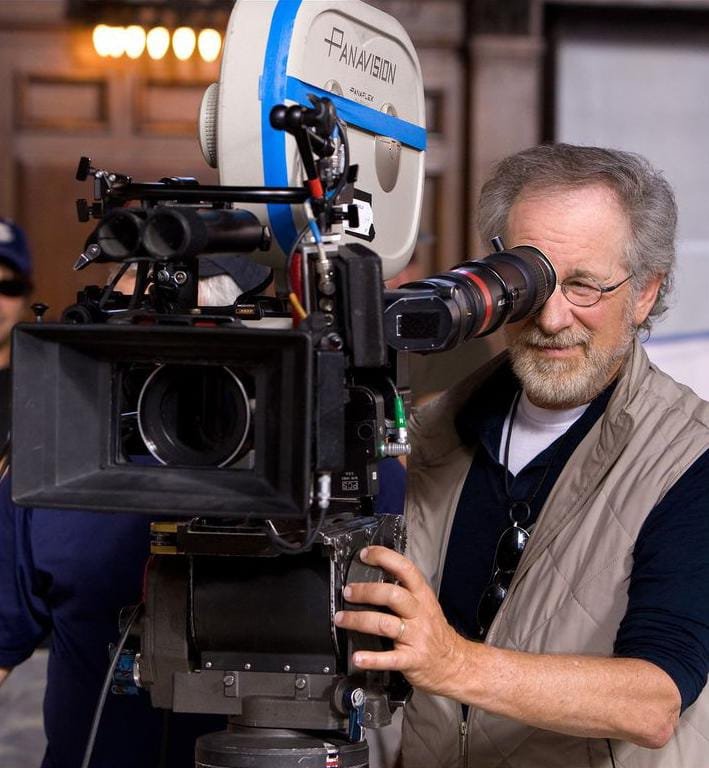
Today, he is one of the most celebrated filmmakers in history, with films that have inspired millions and shaped modern cinema.
Lessons to Take from His Journey
1. Rejection is often just a direction. USC’s “no” sent him onto a studio lot where he got a real world education no classroom could match. A closed door can force you to find a more interesting window.
2. Your perceived weakness might be your secret strength. The dyslexic boy who struggled with traditional learning developed a mind that saw the world in cinematic sequences. The very thing that made him feel different became the foundation of his genius.
3. Access is not always granted, sometimes it is earned through presence. Spielberg did not wait to be invited into the industry. He positioned himself close enough to learn, to observe, and to grow.
4. Progress does not require perfect conditions. Spielberg built his future without elite credentials, without early validation, and without certainty. What he had was consistency. He kept filming, learning, and showing up. Momentum, not approval, carried him forward.
This is a reminder that greatness is rarely linear, that detours are not delays but often the training ground, and that the path that feels indirect may be the one forming the skills you will rely on most.
The Brief Network: Inspiring Stories and Empowering Lessons.