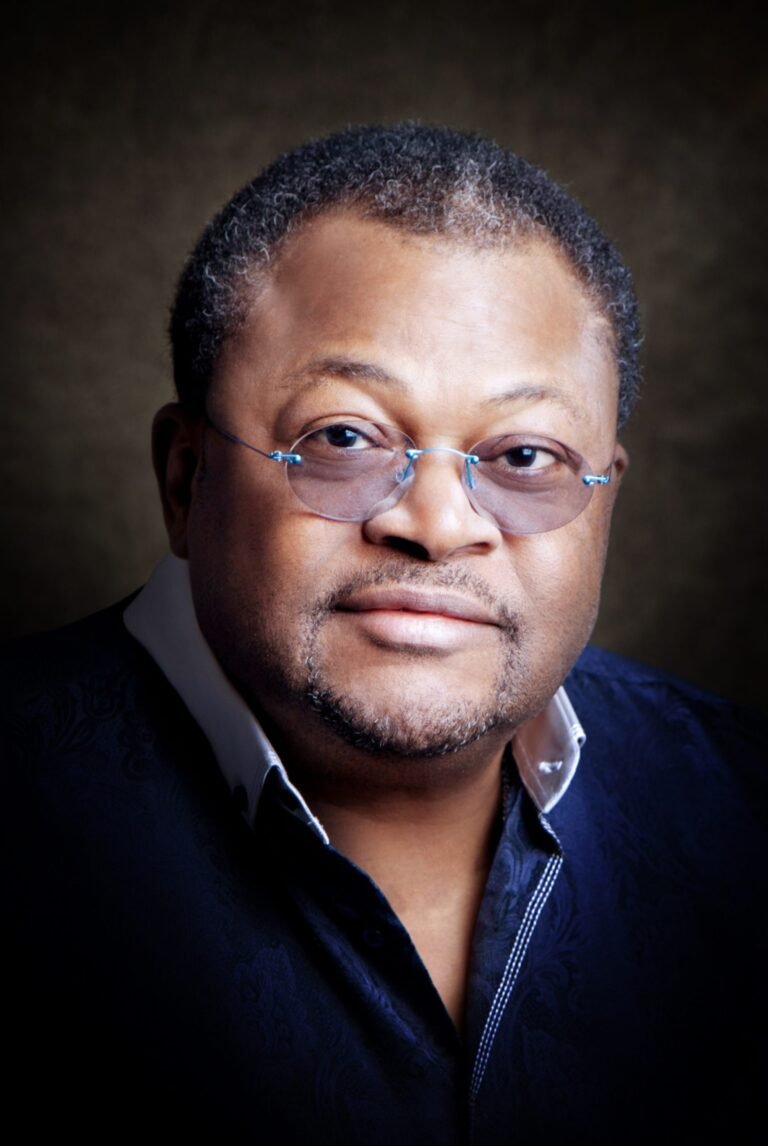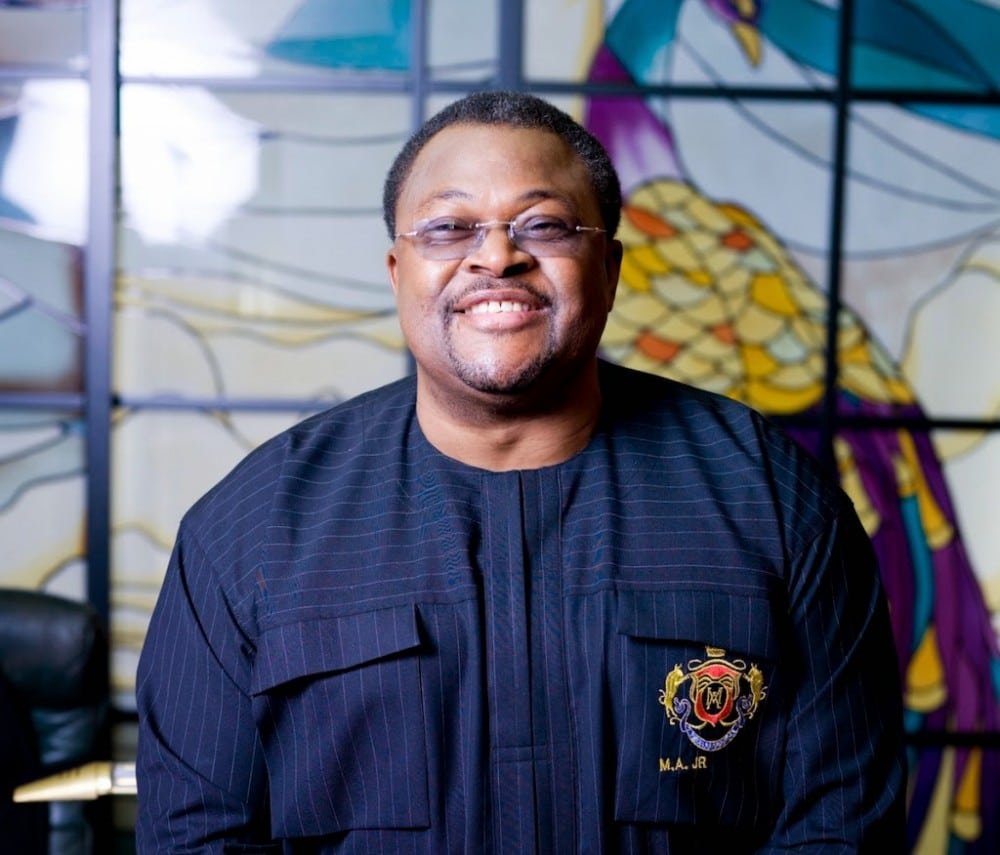
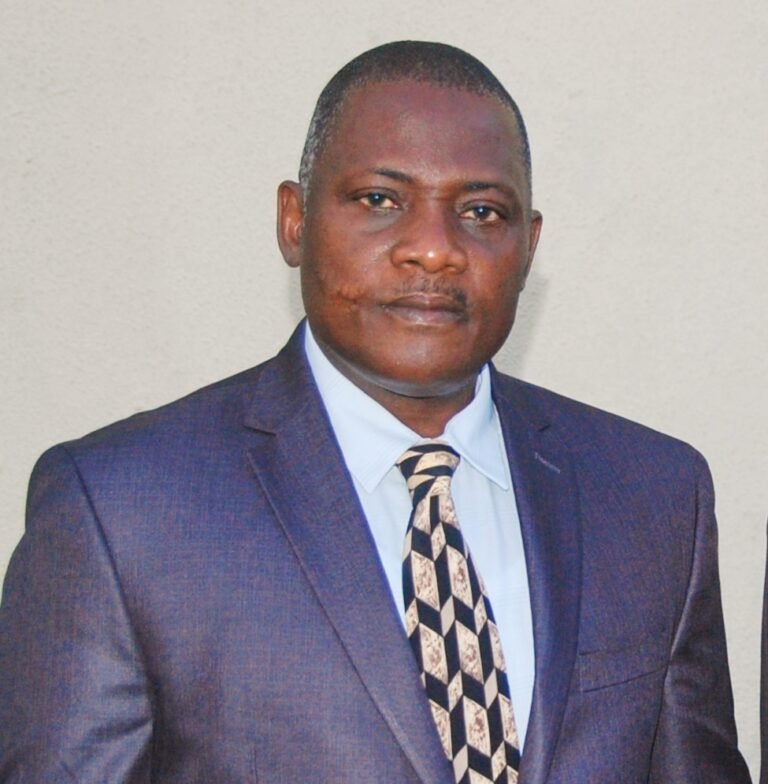
In 1978, a young man in Nnewi finished secondary school with a clear plan for his future: he wanted to study engineering. Then he applied for admission. He didn’t get in. For many young people, that kind of rejection can feel like a verdict. A door closes, and suddenly the future they had imagined becomes uncertain. For Innocent Ifediaso Chukwuma, however, the rejection became a redirection.
Today, he is known as the founder of Innoson Vehicle Manufacturing, the company widely recognised as Nigeria’s first indigenous automobile manufacturer. But his story did not begin with cars, factories or millions of naira. It began with a young man who couldn’t study engineering and ended up learning business in a market.
The opportunity he didn’t plan for
After secondary school, Chukwuma spent some time helping his elder brother run a medicine store. It wasn’t the career he had imagined. But while working there, he discovered something unexpected. He enjoyed trading. He was fascinated by how goods moved, how prices changed and how buyers and sellers negotiated.
Engineering had closed one door, but business was opening another.
In 1979, he began an apprenticeship under Chief Romanus Eze Onwuka, one of the prominent motorcycle spare-parts dealers in Nnewi at the time. For two years, he learned the trade from the ground up. He learned how to understand the market, how to deal with suppliers, how to build relationships with customers and how to recognise demand. And perhaps most importantly, he learned how to look at an ordinary business problem and wonder whether there was a better way to solve it.
That last skill would eventually change everything.
He saw what everyone else had stopped seeing
At the time, motorcycles were commonly imported into Nigeria fully assembled. There was just one problem: they took up a lot of space.
Chukwuma noticed that importers were essentially shipping empty space along with their motorcycles. A container could carry only a limited number of fully assembled motorcycles. Instead of accepting that as simply “how the business worked,” he asked a different question: What if the motorcycles were imported as parts and assembled in Nigeria?
The idea sounds obvious now. At the time, it was a significant shift.
By importing motorcycles in semi-knocked-down form and assembling them locally, Chukwuma could fit far more units into a container. The same shipping space could now accommodate significantly more motorcycles than when they were brought in fully assembled.
That changed the economics. He could reduce costs, sell at a more competitive price and still make a profit.
The man who had failed to get into engineering school had just applied a kind of engineering thinking to business. He had looked at an existing system and found a better way to make it work.
Sometimes, innovation is simply noticing what everyone else has become too familiar with to question.
From learning the trade to building his own
In 1981, with savings of his own and financial support from his brother Gabriel, Chukwuma started his own motorcycle spare-parts business. In 1982, he formally incorporated the company that became Innoson Nigeria Limited.
But success did not make him stop. He continued moving from trading into assembly and manufacturing. He expanded into motorcycles, industrial components, plastics and other areas. The business grew into what would eventually become the Innoson Group.
And then came the decision that would change the scale of his story completely: cars.
The dream that looked too big
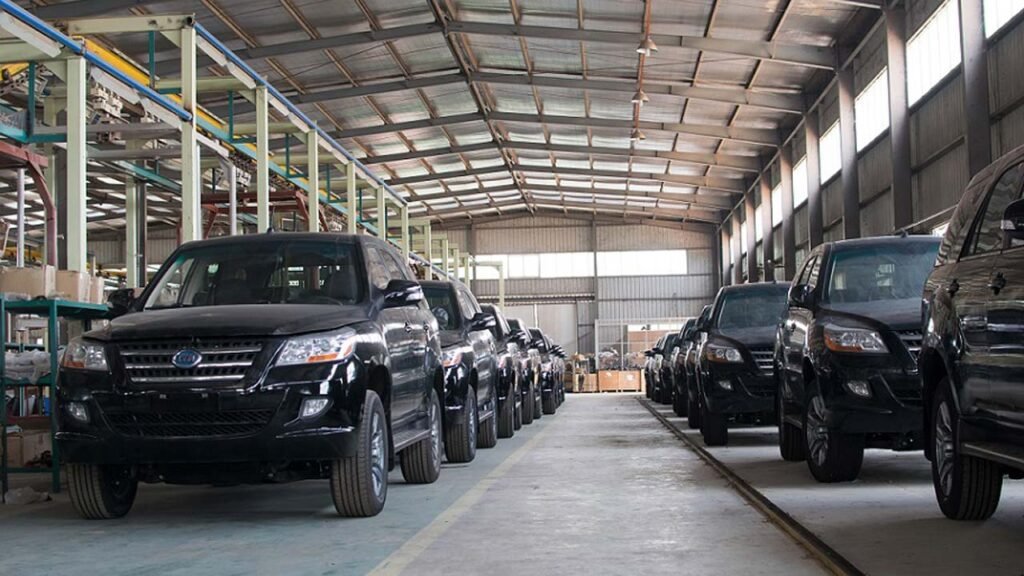
In 2007, Chukwuma founded Innoson Vehicle Manufacturing in Nnewi. Building cars in Nigeria was a very different proposition from selling motorcycle parts. It required factories, machinery, technical expertise, capital, skilled workers and the willingness to compete in an industry dominated by international brands.
It was a difficult market to enter.
But Chukwuma had spent decades preparing for it. The spare-parts business had taught him the market. Motorcycle assembly had taught him manufacturing. His earlier ventures had taught him how to build and manage a growing business.
What looked like a sudden leap into automobile manufacturing was actually the result of years of smaller steps.
What looks like an overnight success is often a collection of small decisions made consistently over many years.
Innoson Vehicle Manufacturing went on to produce vehicles including cars, buses and trucks for the Nigerian and African markets.


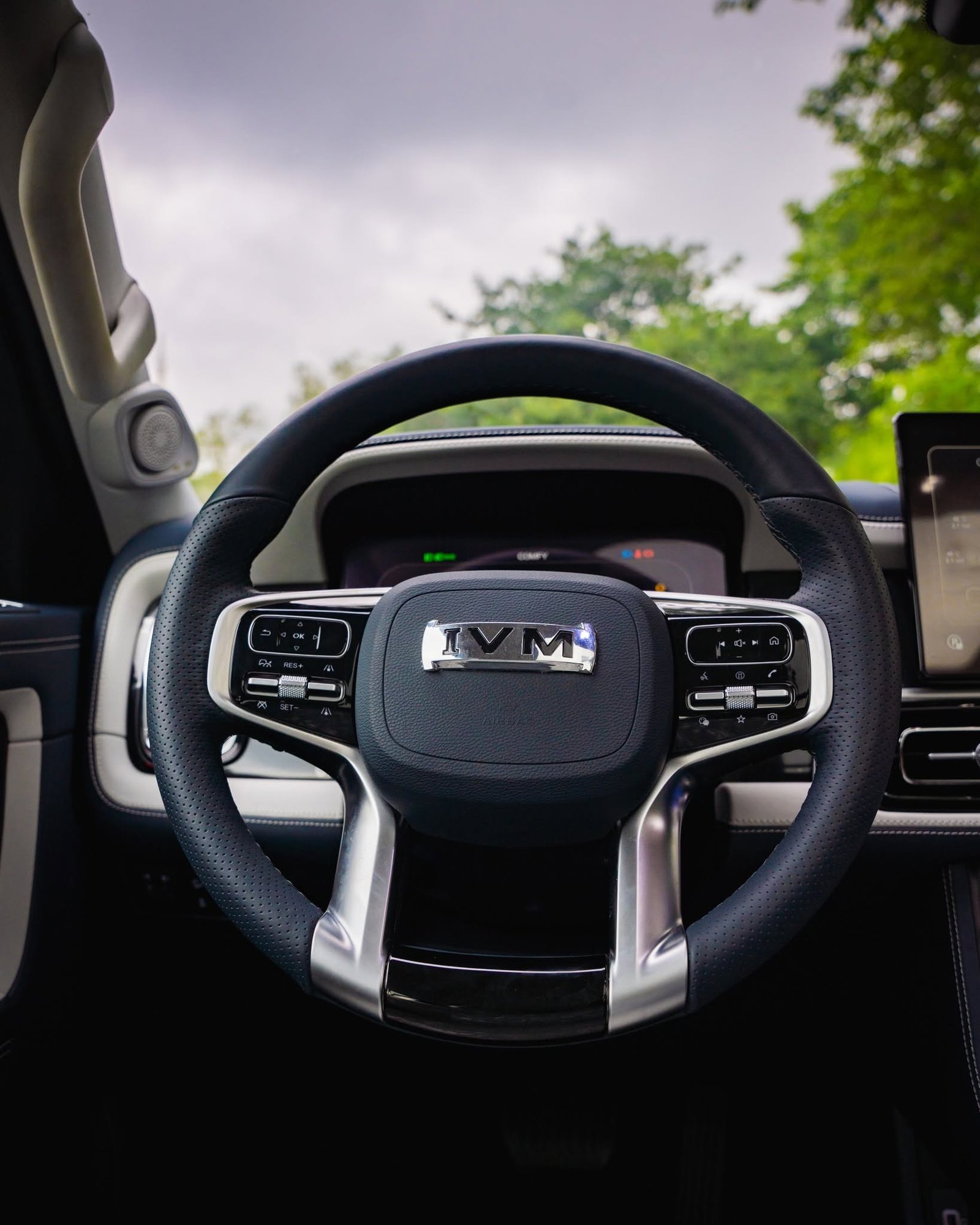

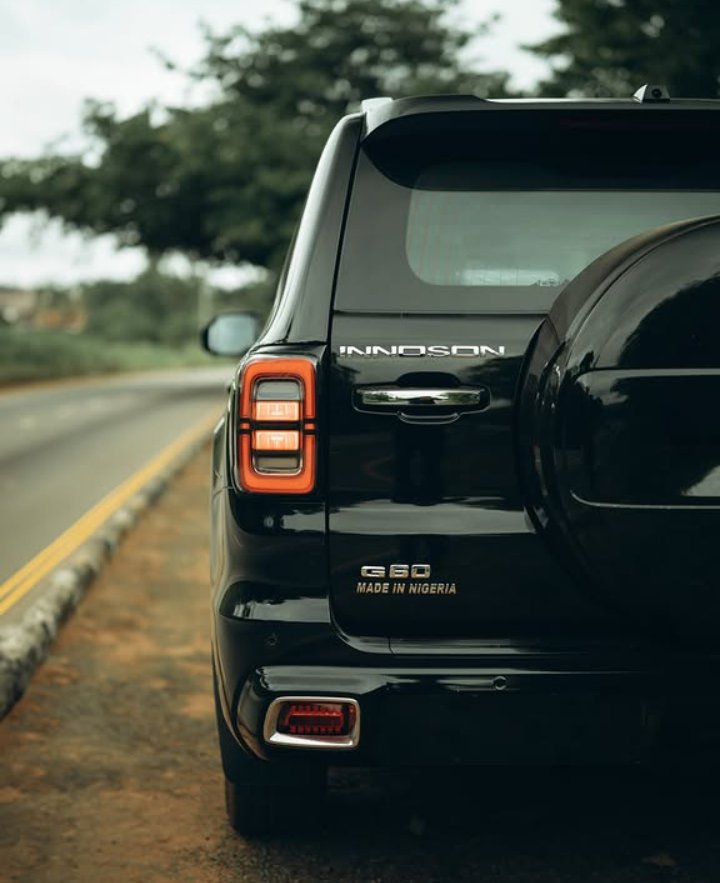
The boy who once wanted to become an engineer had built a company manufacturing the very kind of machines he might once have imagined designing.
But perhaps the most interesting part of the story is not the cars. It is everything that came before them.
What Innocent Chukwuma’s story teaches us
1. Rejection can redirect you
Chukwuma wanted to study engineering. He didn’t get the opportunity. But his inability to enter engineering school did not prevent him from eventually building a company that required engineering, manufacturing and technical expertise.
Sometimes the path changes without the purpose disappearing. A closed door can force you to discover a door you never knew existed.
A rejection can change your route without determining your destination.
2. Start with what you have
Chukwuma didn’t begin with a car factory. He began by learning how to trade motorcycle parts. That may have seemed small compared with what he eventually built, but every stage gave him something he needed for the next one.
Don’t become so focused on where you want to be that you become ashamed of where you are starting.
3. Pay attention to problems
The opportunity that helped transform Chukwuma’s early business was not hidden somewhere far away. It was sitting inside a shipping container. Everyone else saw motorcycles being imported. He saw wasted space.
That difference matters. Entrepreneurs often find opportunities not by looking for something completely new, but by looking more carefully at something everyone else has accepted as normal.
The opportunity may not be invisible. You may simply need to look at the problem differently.
4. Think beyond yourself
There is something bigger in building a manufacturing company in Nigeria. It is not simply about selling another product. It is about creating jobs, developing skills, building local capacity and proving that some things Africans have traditionally imported can also be produced here.
That is part of what makes Chukwuma’s journey bigger than his personal success. He didn’t just build a business around what Nigeria could buy. He built around what Nigeria could make.
Your story is not over
Perhaps you’re in a season that doesn’t look anything like what you imagined. Maybe you applied for something and were rejected. Maybe the career you planned didn’t work out. Maybe you’re running a small business while dreaming about building something much bigger. Maybe you are wondering whether the small thing you are doing now will ever amount to anything significant.
Innocent Chukwuma’s story offers a different perspective.
He wanted to study engineering. He couldn’t. So he learned business. He started with motorcycle parts. Then he learned manufacturing. He built companies. And eventually, he built cars.
The lesson isn’t that everyone who starts small will build an automobile company. It is that your current position is not necessarily a prediction of your final destination.
You don’t need to have everything figured out before you begin. Start where you are. Learn what the season is trying to teach you. Pay attention to the problems around you. And when the next door opens, be willing to walk through it.
Because sometimes, the road to the thing you dreamed about begins with something you never planned to do.
The Brief Network: Inspiring Stories and Empowering Lessons.