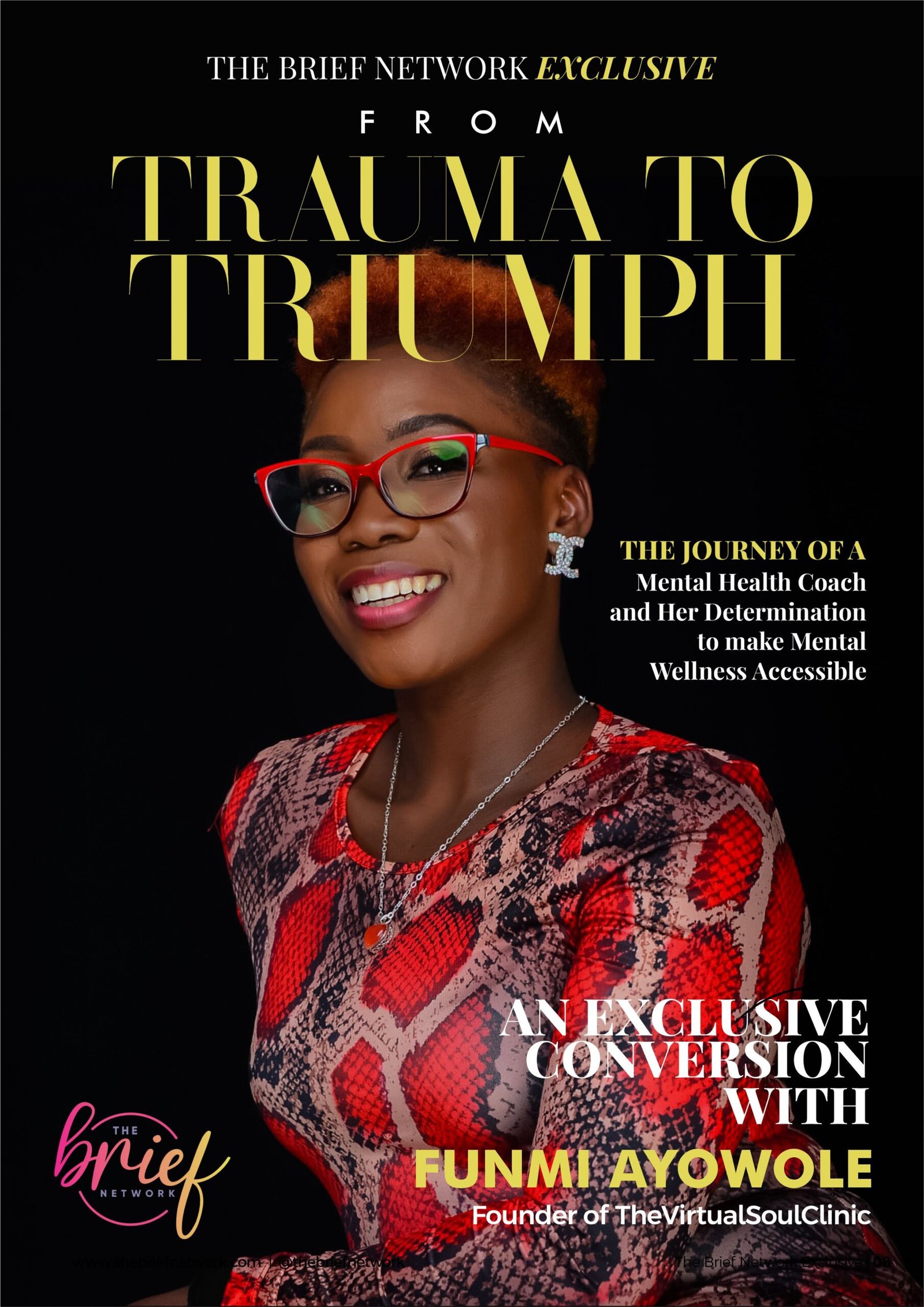
Meet Emem Nwogwugwu.
She helps people build systems that serve the whole person and not just the bottom line. In our Founders Friday feature, Emem shares what transformation really looks like, how to stay grounded in chaos, and why presence is the real secret to a balanced life.
Born from family, built with purpose. Sisé is redefining how African meals are cooked and enjoyed, without losing the soul. Founded by two sisters from a lineage of incredible cooks, Sisé delivers bold, homegrown Nigerian flavours in under 20 minutes. Their mission? To make traditional meals accessible, joyful, and stress-free for modern homes - one meal kit at a time.
After 13 years of quiet growth and deep surrender, Elwoma returns with Throne of Grace, a worship album rooted in Hebrews 4:16 and birthed from a place of authentic devotion.
Thing and about thinking differently. About making bold decisions, developing clarity, and building discipline long before the money shows up.
In this post, I share 7 timeless money mindsets from the book, the kind that don’t just live in theory, but show up in your daily choices, habits, and circle.
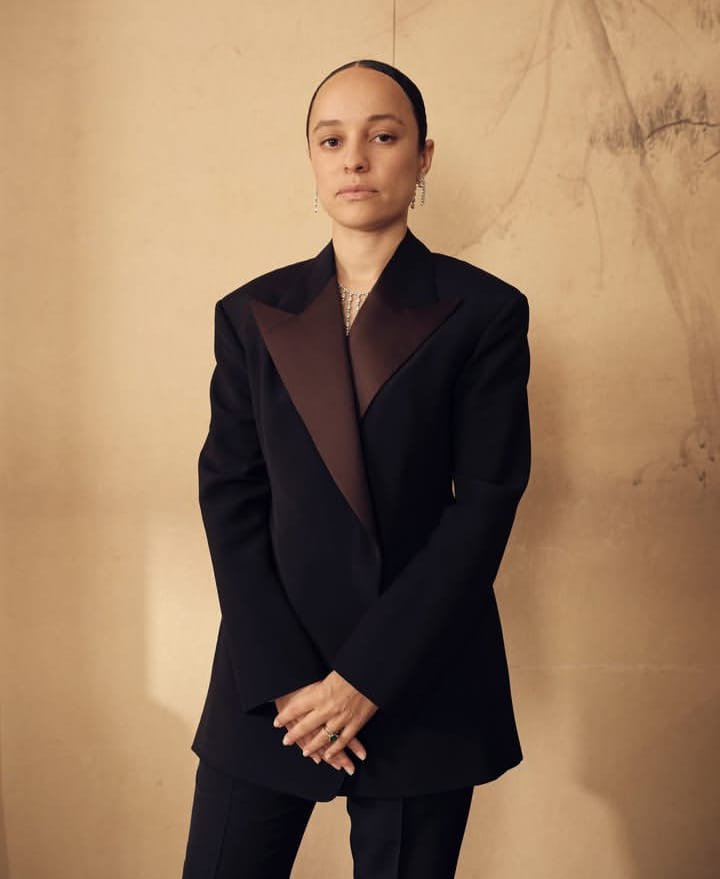
Grace Wales Bonner stands at the crossroads of culture and craftsmanship. Through her designs, she has brought a new depth to modern luxury, one that honors heritage, intellect, and identity.
Born in South London to a Jamaican father and an English mother, her world was shaped by two histories, two rhythms, and two ways of seeing. From an early age, she became fascinated by how style could express belonging and difference at the same time. That quiet curiosity became the foundation of her work.
While studying at Central Saint Martins, the London-based arts and design university, she began shaping her vision of fashion as a dialogue between Africa and Europe. Her graduate collection, Afrique, earned her the L’Oréal Professionnel Talent Award in 2014. The collection celebrated the beauty of Black masculinity, introducing a new narrative of sophistication rooted in African heritage.
That same year, she launched her eponymous label, Wales Bonner, a brand that has since become synonymous with cultural storytelling. She often draws inspiration from literature, music, photography, and archival materials, treating her creative process as both study and expression.
Her thoughtful approach soon began to attract global attention. In 2016, she received the LVMH Young Designer Prize, one of the highest honors in fashion. In recognition of her cultural impact, she was appointed a Member of the Order of the British Empire (MBE) in 2022.
Her label, Wales Bonner, has also maintained a long-standing collaboration with Adidas Originals, reimagining classic sportswear through an Afro-Atlantic lens, blending heritage with contemporary design.
Recently, Grace reached another defining moment in her career when she was appointed Creative Director of Menswear at Hermès, becoming the first Black woman to lead a luxury menswear division. It was a historic milestone, one that reflected not only her brilliance but the quiet power of representation.
Grace Wales Bonner’s story is a reminder that purpose refines talent, and heritage deepens creativity. Through her journey, she shows that when art is guided by truth and rooted in identity, it transcends fashion, it becomes legacy.
Building a brand from scratch isn’t glamorous. It’s relentless, exhausting, and often invisible work. Yet for Olamide Olowe, the founder and CEO of Topicals, every challenge became an opportunity to learn, grow, and build a brand that truly connects with its audience. Her journey not only redefined what it means to create with purpose but also made her the youngest Black woman ever to raise $10 million in venture funding.
In her recent conversation, she spoke candidly about the realities of entrepreneurship, sharing honest lessons for anyone daring to build something meaningful.
1. Build Community Before You Build a Brand
Community is the heartbeat of Topicals’ success.
“You have to earn everyone’s trust,” she explained. “Community building and inclusivity are everything. You have to know your community to hit the right chord.”
From early campaigns to interactive quizzes, every initiative was designed to listen to and serve her audience. The lesson is clear: a product alone isn’t enough. You have to understand the people you’re creating for.
2. Know Your Audience Like You Know Your Vision
Topicals’ early success came from deep empathy and insight into its audience. She recalled launching a quiz called Skin, Sun, and Stars, which combined astrology and skincare advice. With a $300 budget, it attracted 10,000 participants in a month.
“People didn’t want to aspire to be someone else. They wanted to aspire to be the most confident version of themselves.”
Her lesson:
“When you know your customer, you can build for them. So many people waste time on marketing or products that don’t resonate because they didn’t ask their audience.”
3. Turn Storytelling into Strategy
Storytelling is another pillar of her approach. She insisted on campaigns that felt cinematic and memorable, even for simple products.
“Do the things everyone thinks you’re crazy for doing, but that elicit happiness and excitement for you and the person buying the product.”
Storytelling, when intertwined with your product, transforms a purchase into an experience.
4. Create Products that Feel Personal
Effectiveness matters. She described her top-selling products – the High Roller Ingrown Tonic, the eye masks, and the Faded Serum – not as products, but as solutions that genuinely improve lives.
“Intertwine your product with the experience people are having. If your product works and your community feels connected, it’s a win every time.”
5. Balance Business with Creativity
Building Topicals required more than creativity. It required a strategic, business-minded approach.
“You must be Type A ambitious. You have to have a creative business mind. Don’t chase money. Focus on building something incredible, and the money will follow.”
Balancing art and commerce, she emphasized that creativity alone isn’t enough; it must be paired with a deep understanding of business mechanics.
6. Scaling and Sustainability
Rapid growth can be deceiving. Olamide explained that even successful brands can collapse if their spending outpaces their growth.
“Even if you’re doing well, if you’re spending more money to do well, you have to constantly watch that cash balance.”
She also cautioned that
“If you build too fast, you can also go down fast. Businesses that grow too quickly often die too quickly.”
In her view, scalability isn’t about speed but about structure, making sure growth is sustainable, not explosive.
Her approach to scaling Topicals is rooted in control, pacing, and smart reinvestment. It’s about building a business that lasts, not one that burns bright and fades quickly.
7. The Reality Behind Valuations and Funding
When it comes to raising capital, numbers on paper can be deceiving.
“My first round, I went with the lowest valuation of all the offers we got because it had such friendly terms… it didn’t have things that were going to rinse me.”
Many founders focus on high valuations without realizing the trade-offs. Sometimes investors get multiple returns before the founder sees any profit, and control over the board can be limited.
She emphasized the importance of mentorship and learning from others’ experiences.
“So many people want a high valuation, but what people don’t know what that means is that if you have not made enough revenue to make sense of that valuation by the next time you need capital, you’ll be doing a down round… which means you’re losing more equity.”
Her advice?
“A lot of people who are raising this money, are you actually running a real business? If you’re just funding using the funding to cover issues, then fundamentally you’re not running a business. It’s an expensive hobby.”
8. Lead with Empathy and Empowerment
Being a CEO isn’t just about vision. It’s about helping your team thrive.
“Being a CEO is about helping people be the best version of themselves through the work they do with you. Learn how to speak to people, get the best out of them, and help them feel calm even when it’s rocky.”
Leadership, she says, is a delicate balance of driving performance while fostering trust and inclusivity.
10. Start Small, Perfect Fast, Grow Wisely
For founders seeking to launch a brand, she advises starting with one product and perfecting it before expanding.
“Start with less. That one product should feel like you took the customer’s thoughts, feelings, and behaviors and wrapped it into a solution.”
Pair that with compelling storytelling, and you have the blueprint for a brand that resonates.
10. Generosity and Self-Compassion
Her philosophy extends beyond business strategy. Generosity and self-kindness are critical.
“Be generous to other founders, your team, your customers, and yourself. Give yourself tenderness because the world won’t.”
Sustaining ambition without compassion risks burnout, and she stresses that taking care of yourself is part of the journey to building something lasting.
11. Do Too Much – And Be Proud of It
Finally, she reflected on the criticism she received early on for trying to do too much. Her response?
“By being too much, I’ve created this life. I love that I’ve done too much because why would I want to live my life being less than who I am or what I was called to be? More of this. More of this.”
Her message to aspiring entrepreneurs is simple and powerful: try hard, do more, be generous, and be unapologetically yourself.
“Death to nonchalants. Find what you’re good at and do as much of it as possible in lots of different ways. Trying hard is everything, it makes everything happen.”
Key Takeaways for Aspiring Founders
Build a community first and earn trust through inclusivity and authenticity.
Use storytelling to create emotional connection with your audience.
Intertwine your product with the experiences people are having.
Combine creativity with strategic business thinking.
Start small, perfect one product, and expand thoughtfully.
Lead your team with empathy, clarity, and accountability.
Practice generosity and self-compassion.
Understand your customer deeply, it’s the foundation of everything.
Don’t chase money; chase meaning and mastery.
Embrace ambition unapologetically, doing too much can be to your advantage.
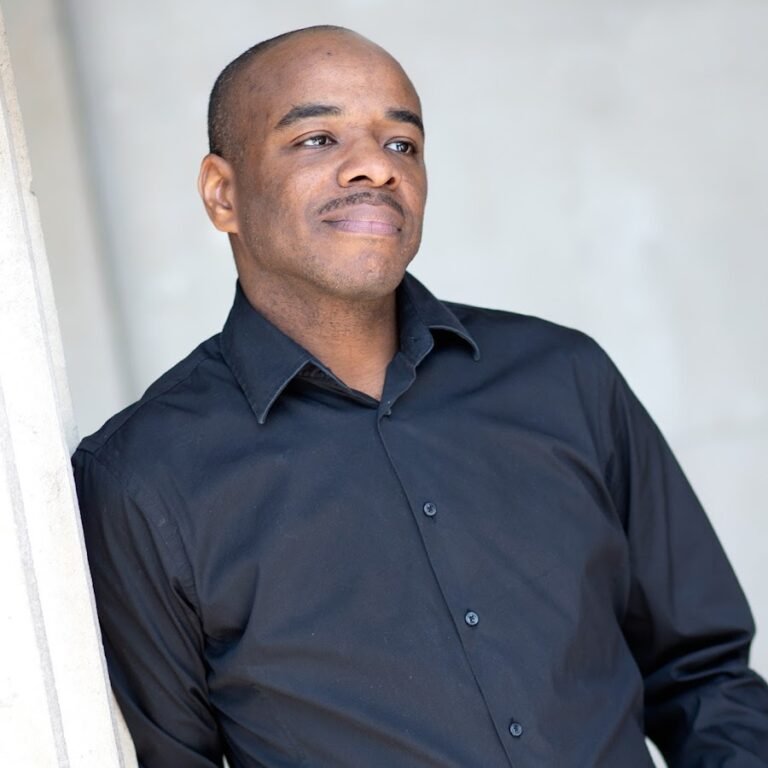
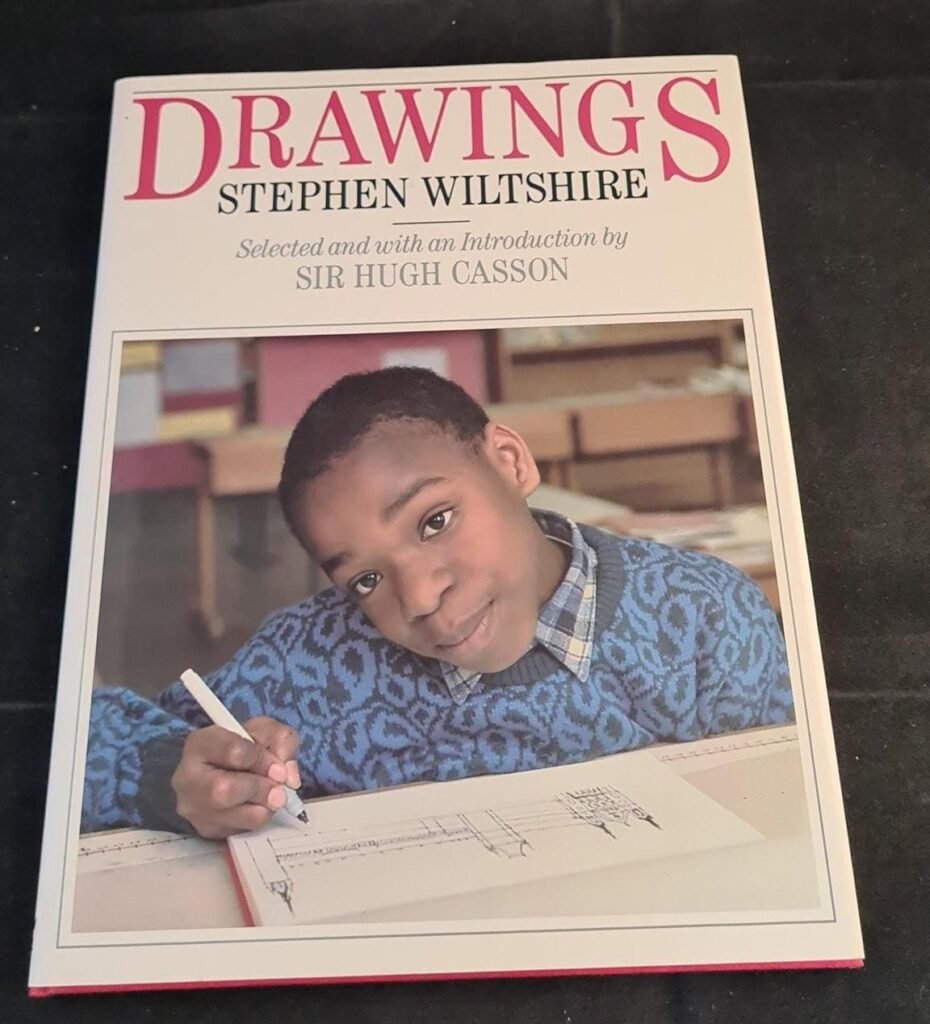
Stephen Wiltshire is an artist and autistic savant, born in London in 1974. Diagnosed with autism at the age of three, he didn’t speak until around five, and for a long time, the world misunderstood his silence. Yet within that quietness, a rare kind of brilliance was unfolding, one that would later redefine the boundaries of creativity and perception.
For most people, memories fade with time. For Stephen Wiltshire, they become art. As a young boy with autism, he began sketching buildings and cityscapes with an accuracy that defied belief. He could look at a city once, then draw every window, every street, every shadow in its exact position. What started as a childhood habit became a lifelong testament to how human potential can flourish in the most unexpected ways.
That gift carried him from obscurity to global recognition. By his teenage years, Stephen had already published a book of sketches. Later, he would travel across the world, invited to capture the skylines of cities like New York, Tokyo, and Rome after viewing them just once from a helicopter. His art became proof of something deeper than talent, it was evidence of what focus, patience, and perception could achieve.
Stephen’s journey challenges the conventional understanding of intelligence. His art shows that creativity is vast and uncontainable. His life reminds us that sometimes, the things that set us apart are not obstacles but open doors to new forms of expression. Autism did not silence Stephen; it gave him a unique way of seeing the world, one so detailed and profound that it speaks to all of us.
In recognition of his exceptional contribution to art, Stephen Wiltshire was made a Member of the Order of the British Empire (MBE). His work has also been featured in many international exhibitions, museums, and private collections, celebrated for its precision, emotion, and extraordinary perspective.
Reflections from the Life of Stephen Wiltshire
• Embrace your uniqueness
Being different is not a disadvantage. Stephen’s autism, once seen as a limitation, became the foundation of his genius. What makes you different might be your greatest strength.
• Value patience and discipline
Stephen’s art demands focus and time. Each cityscape takes countless hours to complete. Patience and consistency are the real paths to mastery.
• Reimagine potential
Stephen’s journey challenges the idea of “normal” success. He reminds us that brilliance can take many forms, in art, in thought, in memory, or in compassion. We are not defined by what society expects of us, but by what we choose to nurture within ourselves.
• Find purpose in silence
Stephen once communicated very little with words, but his art spoke volumes. His story encourages anyone who feels unseen or unheard to keep creating, learning, and expressing. You don’t have to be loud to be impactful. Sometimes, the quietest lives leave the deepest impressions.
Stephen Wiltshire’s story is a masterpiece in itself, a reminder that true creativity transcends boundaries.
The Brief Network: Inspiring Stories and Empowering Lessons.
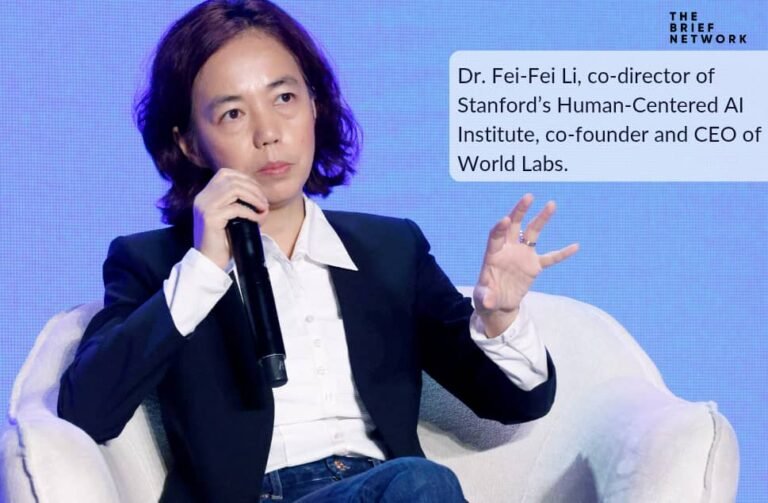
Dr. Fei-Fei Li is one of the most influential voices in artificial intelligence. Born in Beijing and raised in the United States, she is a computer scientist, Stanford professor, co-founder and CEO of World Labs, and co-director of the university’s Human-Centered AI Institute. Her work has shaped how the world understands artificial intelligence not just as a technological breakthrough, but as something deeply connected to human values and ethics.
Her career offers a blueprint for thriving in a world transformed by automation. From leading the creation of ImageNet, a project that accelerated AI’s growth, to championing ethical and human-centered innovation, she teaches that the key to staying relevant is not to compete with machines, but to work intelligently alongside them.
“The question we must ask is not what machines can do, but what humans can do with machines.” — Dr. Fei-Fei Li
This perspective reframes automation from something to fear into something we can use to expand creativity, empathy, and lifelong learning. Below are five key lessons from her approach to staying valuable and future-ready in the age of automation.
1. Learn Continuously and Curiously
Adaptability has become the most valuable skill in today’s workplace. She often highlights that curiosity and learning are essential to being human:
“Curiosity and learning are the essence of being human.” — Dr. Fei-Fei Li
In practical terms, staying relevant means cultivating the habit of continuous learning. Professionals who keep updating their knowledge, through online courses, research, or experimentation, position themselves for long-term success. Instead of relying solely on formal education, treat every project, book, or conversation as an opportunity to grow.
Curiosity and learning are the foundation of relevance in an ever-changing world.
2. Build Human Skills That Machines Can’t Replicate
Artificial intelligence is fast and accurate, but it lacks empathy, creativity, and moral reasoning. Her human-centered approach to AI reminds us that the most valuable skills are those that remain uniquely human.
Communication, emotional intelligence, ethical thinking, and cultural awareness are becoming even more important in an automated world.
“AI needs human values at its core.” — Dr. Fei-Fei Li
Building these skills helps professionals remain relevant, regardless of how advanced machines become.
Empathy and ethics will always outperform algorithms when it comes to human impact.
3. Collaborate Across Disciplines
Her success did not come from technical expertise alone. It came from understanding how technology interacts with psychology, culture, and human behavior. This approach highlights the importance of multidisciplinary empathy, the ability to see problems from different perspectives.
In practice, this means learning to work effectively with people from other fields. Engineers can benefit from understanding design; writers can explore data literacy; health professionals can learn from technology innovators.
Collaboration will define the next generation of innovation, not competition.
The future of work favors those who can bridge disciplines and bring diverse insights together.
4. Use Technology as a Partner, Not a Threat
Automation is often viewed with fear, but she encourages a more balanced perspective. When used thoughtfully, technology can enhance creativity and free people from repetitive work.
“AI can free us from repetitive labor and allow us to focus on creativity, compassion, and higher-order thinking.” — Dr. Fei-Fei Li
Professionals who embrace digital tools, rather than resist them, position themselves ahead of the curve. Learning to use AI-driven platforms, automation software, or analytical tools can make everyday tasks easier and create space for more meaningful work.
Technology becomes empowering when it is seen as a partner, not a rival.
The goal is to integrate technology purposefully, not fearfully.
5. Ground Innovation in Ethics and Empathy
Her philosophy emphasizes that technology must always serve humanity.
“AI is not magic. It’s created by humans, designed by humans, and it must serve humans.” — Dr. Fei-Fei Li
Ethics and empathy are not optional; they are what sustain relevance in the long run. Whether you’re building systems, managing teams, or developing ideas, keeping people at the center ensures that progress benefits society rather than harming it. In the workplace, that mindset builds trust, accountability, and purpose.
Innovation without empathy is progress without direction.
Final Insights
The future of work will not be defined by machines, but by how humans choose to use them.
Automation will keep advancing, but the essence of human contribution remains the same, the ability to think deeply, learn endlessly, and innovate responsibly. The most valuable professionals will not just adapt to technology; they will shape how technology serves humanity.
The Brief Network: Inspiring Stories and Empowering Lessons.
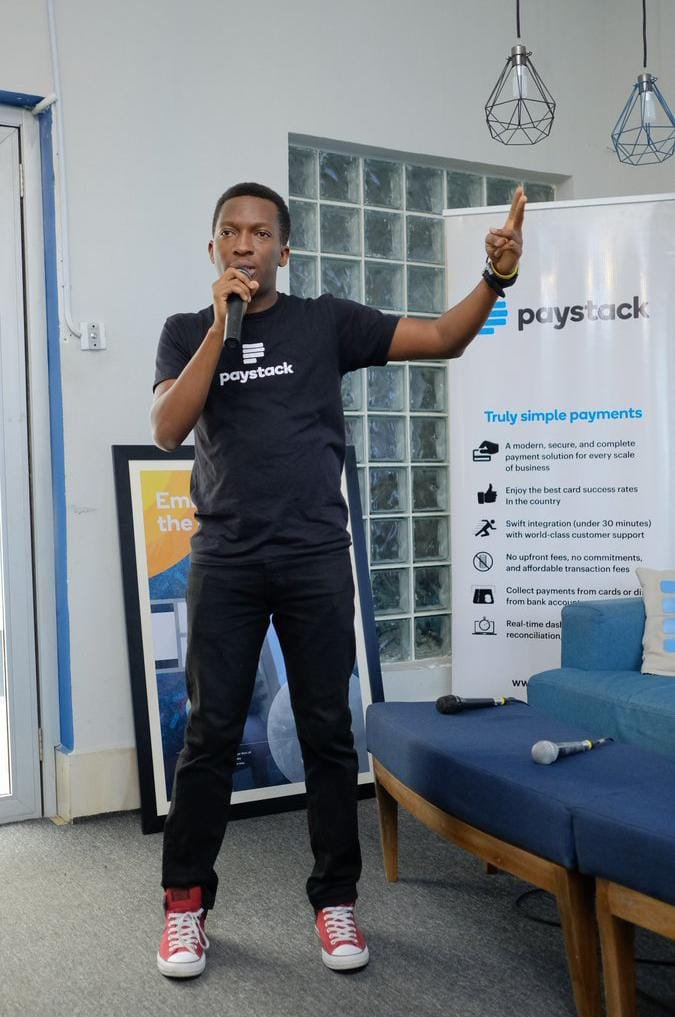
Shola Akinlade is our Inspire Monday personality for the week, a visionary whose story embodies the power of vision, consistency, and purposeful innovation. From co-founding one of Africa’s leading fintech companies to establishing a football club that empowers young people, his journey is a masterclass in innovation, reinvention, and impact.
Born and raised in Lagos, Nigeria, Shola Akinlade studied Computer Science at Babcock University, where his passion for technology began to take shape. He started his career as a software developer, driven by a desire to create solutions that made life easier for people and businesses. That passion would eventually lead him to co-found Paystack in 2015 alongside Ezra Olubi.
Paystack started as a simple idea, helping African businesses receive payments online with ease, but it quickly evolved into one of the continent’s most transformative fintech companies. (Click to read our previous article on Paystack for a deeper dive into its journey and impact.) In 2020, its acquisition by Stripe made global headlines, marking one of the biggest success stories in Africa’s tech ecosystem. Yet even after achieving what many would consider the pinnacle of success, Shola’s focus remained clear: to build and to empower.
Despite the challenges that come with breaking new ground in Africa’s fast-evolving tech space, from navigating regulatory hurdles to earning public trust, Shola never lost sight of his purpose. His resilience and commitment to excellence have not only earned him global recognition but also inspired countless young Africans to dream beyond limitations. In 2022, he founded Sporting Lagos, a football club with a heart for community development and youth empowerment.
Through Sporting Lagos, Akinlade has shown that building isn’t limited to technology or profit, it’s about creating opportunities, nurturing dreams, and inspiring a new generation. His vision for the club goes beyond football; it’s about using sport to unite, inspire, and transform lives. Today, he continues to mentor young entrepreneurs and tech talents, guiding them to turn ideas into impact and challenges into stepping stones. His efforts have been recognized with several awards celebrating innovation, leadership, and his contribution to Africa’s digital growth.
From his story, we find timeless reminders about building with intention:
Start with purpose. Every great idea begins with a desire to solve real problems and add value to others.
Let your success serve people. True leadership is not about how high you climb, but how many people rise because of your work.
Stay grounded. Even after global recognition, Shola continues to lead quietly, showing that humility keeps success meaningful.
Keep building. Whether in fintech or any other field, the goal remains the same, to create systems that empower others and last beyond you.
Turn your gifts into service. The best legacy is using what you know to make life better for someone else.
Shola Akinlade’s journey reminds us that purpose doesn’t end when success begins, it grows with every step we take to help others move forward.
The Brief Network: Inspiring Stories and Empowering Lessons.
Every great business begins with a problem, a person, and a plan. Daymond John’s rise from sewing hats in his Queens neighborhood to building FUBU “For Us, By Us” into a global apparel brand, and later mentoring entrepreneurs on Shark Tank – illustrates that principle.
He began with a clear idea: to design clothing that represented his community. Through persistence, strategic partnerships, and a sharp understanding of customer needs, he transformed that vision into a thriving enterprise.
His journey provides actionable lessons for entrepreneurs determined to build from the ground up. Here are a few key principles behind his success and how they apply in today’s business landscape.
1. Start Small, Test Fast
Great ventures rarely begin with perfect conditions. Success often comes from starting with what is available and learning directly from real feedback. Early testing helps you understand what the market truly values and minimizes the cost of mistakes.
2. Make Your Brand Say Something
A brand is more than a logo or product. It is the message people remember and the emotion they connect with. The strongest brands stand for something specific and meaningful, aligning with customer identity and purpose.
“Your brand is what people say about you when you are not in the room.”
3. Use Relationships as Your Growth Engine
Strategic relationships can accelerate growth faster than advertising. Partnerships rooted in authenticity and shared goals expand reach and build credibility. Collaboration creates leverage that individual effort cannot.
“Align yourself with people who complement you, not compete with you.”
4. Be Resourceful with Limited Capital
Resourcefulness often matters more than capital. When funding is scarce, creativity and persistence become your competitive advantage. Many great companies began with time, effort, and vision rather than money.
“You don’t need money to make money. You need the right mindset.”
5. Control the Narrative: Own Your Story
Perception drives opportunity. Entrepreneurs who define their own narrative shape how their brand is seen and remembered. Storytelling builds trust and positions your brand as intentional, not accidental.
“If you don’t tell your story, someone else will.”
6. Build Resilience: Patience Paired with Urgency
Growth takes time, but urgency keeps progress alive. The most successful entrepreneurs are patient with results but decisive in action. They know that steady momentum compounds over time.
“An entrepreneur must be willing to work like no one else today so they can live like no one else tomorrow.”
7. Give Back and Multiply Influence
Success grows when it is shared. Teaching others reinforces what you know and attracts new opportunities. Mentorship and contribution expand your reach and deepen your credibility.
“The more you give, the more comes back to you.”
Applying the Lessons
Daymond John’s story proves that entrepreneurship is not defined by resources but by resourcefulness. Every principle that shaped his success; starting small, building a brand with meaning, nurturing relationships, and staying resilient, remains relevant in today’s business landscape.
The most effective entrepreneurs are those who act on what they learn. Begin with one small step, test your idea in the real world, and refine it through feedback. Over time, consistent action compounds into growth, credibility, and lasting impact.
The Brief Network: Inspiring Stories and Empowering Lessons.
On a bright afternoon, somewhere above the Arizona desert, a single-engine airplane cut through the clouds. Behind the controls sat a woman who, by every conventional measure, shouldn’t have been there. But she was confidently steering, adjusting the throttle, and gliding through open skies. Her name is Jessica Cox, the world’s first licensed armless pilot, and her story is one of courage, adaptability, and the triumph of the human spirit.
Jessica was born without arms, a rare condition called bilateral congenital limb deficiency. For many, that would sound like a life sentence to dependence or limitation. But for Jessica, it became a lifelong invitation to reimagine possibility.
From a young age, her parents made a defining choice: to raise her as normally as possible. That meant she would learn to eat, write, dress, and even tie her shoes, not with prosthetics, but with her feet. What seemed unusual to others became ordinary for her. “I was never taught to see myself as different,” she once said. “I was taught to see myself as capable.”
That mindset would become the cornerstone of everything she later achieved.
Learning to Fly With Her Feet
When Jessica first told her flight instructor she wanted to learn to fly, his response was polite disbelief. “How?” he asked. But Jessica had learned long ago that how is just another way of saying try me.
It wasn’t easy. She spent three years training, working with multiple instructors and experimenting with different planes to find one she could control with her legs. Her biggest challenge wasn’t just technical, it was psychological. She had to convince not only others, but sometimes herself, that it could be done.
In 2008, her persistence paid off. Jessica Cox earned her Light Sport Pilot Certificate, becoming the first person in history to fly an airplane using only her feet. Her story spread across the world, not because she was an armless pilot, but because she was a fearless dreamer who refused to let circumstance define her ceiling.
The Power of Adaptability
Flying wasn’t Jessica’s only achievement. She also became the first armless black belt in the American Taekwondo Association and learned to drive, type, surf, scuba dive, and even play the piano, all with her feet.
But her message goes far deeper than her accomplishments. Through her book Disarm Your Limits and her global speaking engagements, Jessica shares one timeless truth: adaptability is strength. Life will not always come with the tools we expect, but we can always build new ones.
In her words:
“Fear is the biggest disability of all. It paralyzes us more than any physical limitation ever could.”
From Adversity to Advocacy
Today, Jessica travels the world as a motivational speaker and advocate for people with disabilities. Through her nonprofit, the Rightfooted Foundation, she works to promote inclusion and inspire others to overcome self-doubt and discrimination.
Her story is not about flying planes or breaking records, it’s about transforming pain into purpose. It’s about refusing to let the world’s definitions of “normal” shrink your potential.
She often says:
“If I can fly an airplane with my feet, what else is truly impossible?”
Reflections to Rise With
1. Mindset is everything. You can’t always choose your circumstances, but you can choose how you see them. Focus on what’s possible.
2. Adaptability is strength. When life shifts, adjust your sails. Growth begins where comfort ends.
3. Persistence pays off. Progress takes time. Stay consistent, small steps still move you forward.
4. Courage conquers fear. Fear says stop; courage says start. Every bold step expands your limits.
5. Purpose gives life meaning. Turn your story into strength. What you overcome can inspire others.
6. Limitations are beginnings. Every “can’t” can become a “can.” The only barrier is the one you accept.
Jessica’s story reminds us that success is rarely about the resources we have, it’s about the resilience we develop.
Maybe your “limitation” is not physical, maybe it’s fear, finances, or a lack of support. Whatever it is, you have the power to rise above it. Start where you are. Adapt. Persist. Keep learning. Like Jessica, you don’t need perfect conditions to take off, you just need courage to lift your wings.
The Brief Network: Inspiring Stories and Empowering Lessons.
You’re at your desk, staring at the screen. An unfinished email waits for attention, your phone buzzes with another reminder, and in the back of your mind a quiet voice nags: Did I pay that bill? What about next week’s meeting? Before long, your brain feels less like a workspace and more like a traffic jam.
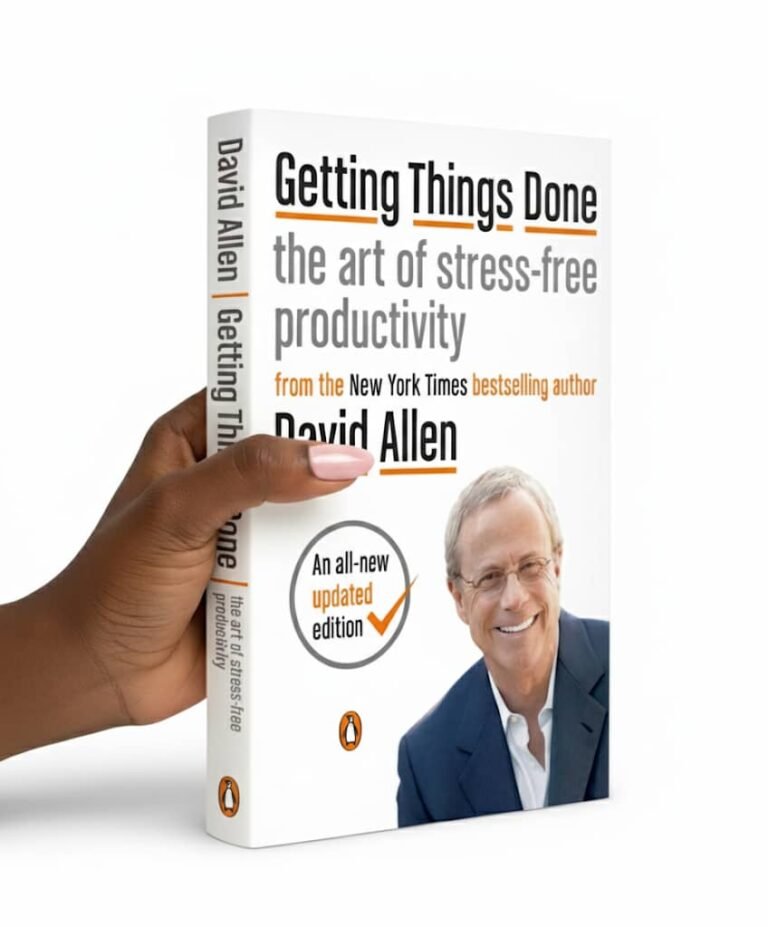
David Allen calls this mental overload “psychic RAM”, when your mind is clogged with unprocessed commitments. His solution, outlined in his book, Getting Things Done: The Art of Stress-Free Productivity, is simple: stop trying to manage everything in your head. Instead, create a trusted system that captures, clarifies, and organizes so you can finally breathe and focus.
Allen puts it nicely,
“Your mind is for having ideas, not holding them.”
That’s where the genius of his five-step method comes in, a practical flow designed to take you from chaos to clarity.
1. Capture: Empty Your Mind
Every stray thought, task, or obligation must be taken out of your head and placed in a trusted inbox; a notebook, app, or digital tool. Think of it as unloading a heavy backpack. When you capture everything, you immediately reduce mental weight. Allen warns that the brain makes a terrible office. Until things are written down, they’ll keep circling in your head, draining energy.
2. Clarify: Decide What Each Item Means
Once captured, each item must be processed. Ask yourself: Is it actionable? If the answer is no, it either gets deleted, filed as reference, or saved for “someday.” If it is actionable, the question becomes: What’s the very next step?
Allen insists on clarity because vague tasks breed stress. The clearer the action, the easier it is to move forward.
3. Organize: Put It Where It Belongs
Imagine walking into a room where every object has a place, suddenly, it feels calmer. GTD works the same way. Each clarified task gets stored where you’ll see it at the right time:
A calendar for time-specific tasks.
Next Actions lists sorted by context (calls, errands, computer work).
A Projects list for multi-step goals.
The key here is trust. When everything is organized, you stop wasting energy wondering what you forgot.
4. Reflect: Keep the System Alive
This step separates GTD from abandoned to-do lists. Allen emphasizes the Weekly Review: setting aside time each week to review projects, update lists, and clear your inbox. Just like tidying a room once a week, it keeps your system fresh so you can rely on it fully.
Reflection keeps your system alive. Without it, lists grow stale and lose trust. With it, you always know exactly where you stand.
5. Engage: Do with Confidence
Now comes the payoff. With everything captured, clarified, and organized, you can finally work without second-guessing. Instead of reacting to whatever feels urgent, you choose the task that best fits your time, energy, and priorities. As Allen explains,
“You don’t actually do a project; you can only do action steps related to it.”
That shift from juggling everything in your head to trusting a system, creates the space for calm and focused productivity.
The Timeless Need for Clarity
When Getting Things Done was first published in 2001, the world wasn’t yet flooded with smartphones and endless notifications. And yet, Allen’s method feels more urgent than ever today. Our attention is pulled in a dozen directions at once, and without a system, we drown in unfinished thoughts.
GTD offers freedom. It doesn’t pressure you to do everything. Instead, it shows you how to see everything clearly, so you can choose with confidence. And the more you practice, the lighter your days feel.
Clarity, control, and stress-free productivity aren’t just ideals, they’re skills. Start practicing with your copy of Getting Things Done here
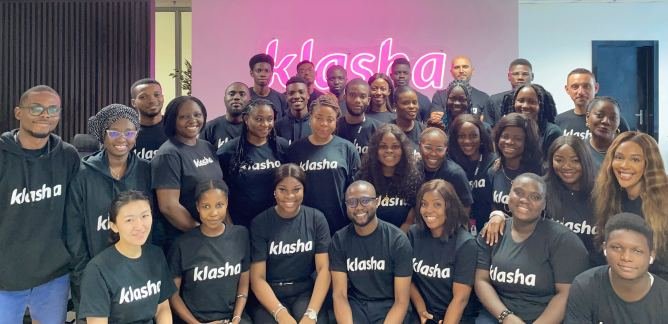
Every great change begins with a single refusal: the refusal to accept limits. That refusal shaped Jessica Anuna’s journey and led to Klasha, a company opening global commerce to African consumers.
Jessica Anuna is the founder and CEO of Klasha, a cross-border payments and logistics platform making it easy for Africans to shop from international brands in their own local currencies. Born in Nigeria and raised between Lagos and London, she holds a degree in Journalism from City University, London, and also studied at The London School of Economics and Political Science (LSE).
During her academic journey, Jessica entered the global e-commerce space: she worked at Amazon, Net-A-Porter, and Shopify, gaining front-row exposure to the speed and convenience of mature markets, and seeing how many parts of the world, especially Africa, were still left behind.
In 2015, she founded RestockChina, a product-sourcing business exporting fast-moving consumer goods to the UK and US. She lived and worked in China for about three years, gaining first-hand insight into supply chains, trade, and logistics.
By 2017, Jessica decided to launch her next venture: Klasha, a cross-border payments and logistics platform designed to break down the barriers keeping Africans from fully participating in global commerce. The platform officially went live in 2021, offering fast delivery, easy payment options in local African currencies, and seamless access to international merchants. The move was audacious for a young female founder in a male-dominated fintech space. The challenges were real: securing venture funding, building a cross-continental team, and navigating complex regulations, but Jessica pressed forward, convinced that African consumers deserved better.
In 2019, her determination earned her a place on Forbes Africa’s 30 Under 30, where she was specifically celebrated as one of the continent’s “New Wealth Creators” – young leaders building businesses that generate jobs, facilitate trade, and unlock opportunities for others.
What began as one woman’s conviction is fast becoming a blueprint for a continent’s future.
Today, Klasha is more than a payments company. It is a symbol of a new Africa: young, innovative, and unapologetically global. Under Jessica’s leadership, it is connecting thousands of merchants and millions of consumers, proving that African businesses can build world-class solutions from the continent outward.
Jessica’s story carries a message for all of us. You do not have to wait for perfect conditions to start. You do not have to accept barriers as permanent. Like Jessica, you can turn the problems you see into opportunities to serve, and in doing so, shape a new future for others.
Her journey is a reminder that courage can be contagious, vision can be world-changing, and when one person dares to build, entire communities can rise with them, unlocking possibilities far beyond what seemed imaginable.
The Brief Network: Inspiring Stories and Empowering Lessons.
Behind every strong marriage lies a story of perseverance. Not picture-perfect moments, but daily acts of love, respect, and grace that build a life together.
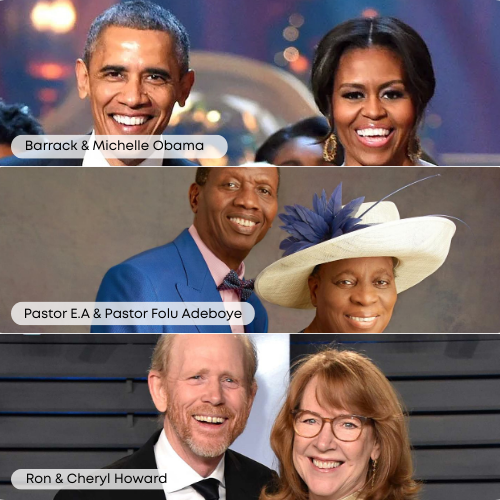
From public figures to faith leaders to creatives, some couples have quietly built marriages that endure across decades. In the lives of Barack and Michelle Obama, Pastor E.A. and Pastor Folu Adeboye, and Ron and Cheryl Howard we see the same heartbeat – commitment, partnership, and a willingness to grow together through changing seasons.
Barack and Michelle Obama
Barack and Michelle met in 1989 at a Chicago law firm and married in 1992. Over more than three decades they have built a life of public service, family and mutual support. What anchors them is a shared sense of purpose and a commitment to be true partners in work, parenting and life. Michelle has been open about the hard parts too, saying there are seasons when they “can’t stand each other” but they don’t walk away.
Their story shows that lasting love isn’t about ease but about choosing each other and staying a team even when life is demanding.
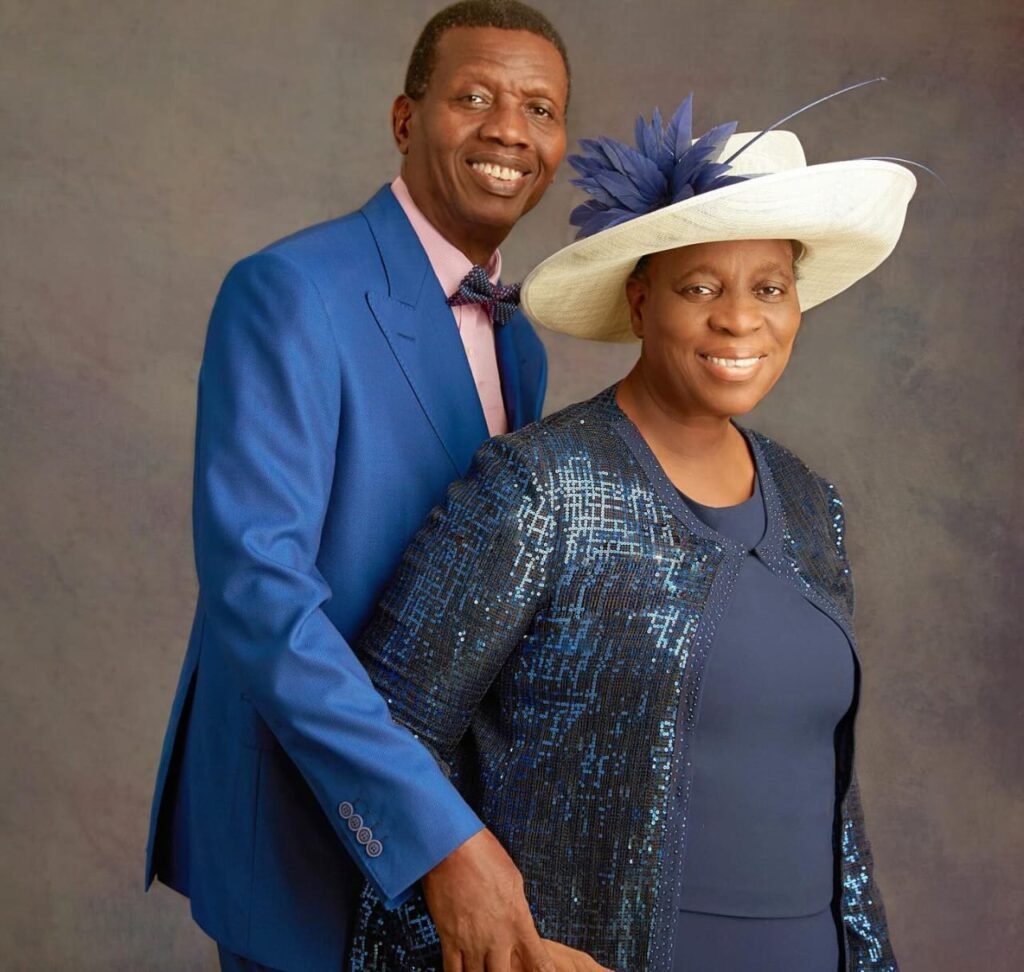
Pastor E.A. and Pastor Folu Adeboye
Pastor Enoch Adeboye, who leads the Redeemed Christian Church of God, has been married to Pastor Folu Adeboye since 1967. Across nearly six decades they have weathered many seasons of life together. He often urges couples to keep their marriages alive with small acts of care: make time for each other, revive the closeness you had before children, notice the good in your spouse, surprise one another and keep romance alive.
“Your spouse is still the same fellow you were very fond of, don’t let the cares of life distract you from the gems in your spouse.” – Pastor E.A Adeboye
Their marriage shows how shared faith, humility and steady, everyday effort can sustain love for a lifetime.
Ron and Cheryl Howard
Ron Howard met his wife, Cheryl in high school, they married in 1975. More than five decades later they’re still together, having grown through career shifts, public recognition and the changes that come with family life. Ron often says there’s no secret formula to their marriage except honest communication and teamwork.
“You have to learn to communicate and have difficult conversations in constructive ways” – Ron Howard
Their story shows that longevity in love isn’t about perfect timing but about steady growth, mutual respect, effective communication, and caring support.
Lessons You Can Apply to Your Own Relationship
1. Commitment is an action, not just a feeling. Love shows its depth in hard seasons when you choose to stay, listen and rebuild.
2. Shared purpose anchors love. Goals, values or mission – whether service, faith, creativity or parenting – tie partners together through change.
3. Communication keeps love alive. Talking honestly, even when it is difficult, repairs distance and prevents small hurts from growing.
4. Faith, humility and remembering your beginnings matter. Looking back on what first drew you together renews respect and affection.
5. Growth and flexibility beat perfection. People change, and so do circumstances; couples who adapt and support each other’s growth keep their love resilient.
No marriage is perfect. Every couple faces storms. What matters is what you do in them, showing commitment, working at love, and choosing each other again and again. When respect and care meet intention, lasting love moves from dream to reality.
The Brief Network: Inspiring Stories and Empowering Lessons.