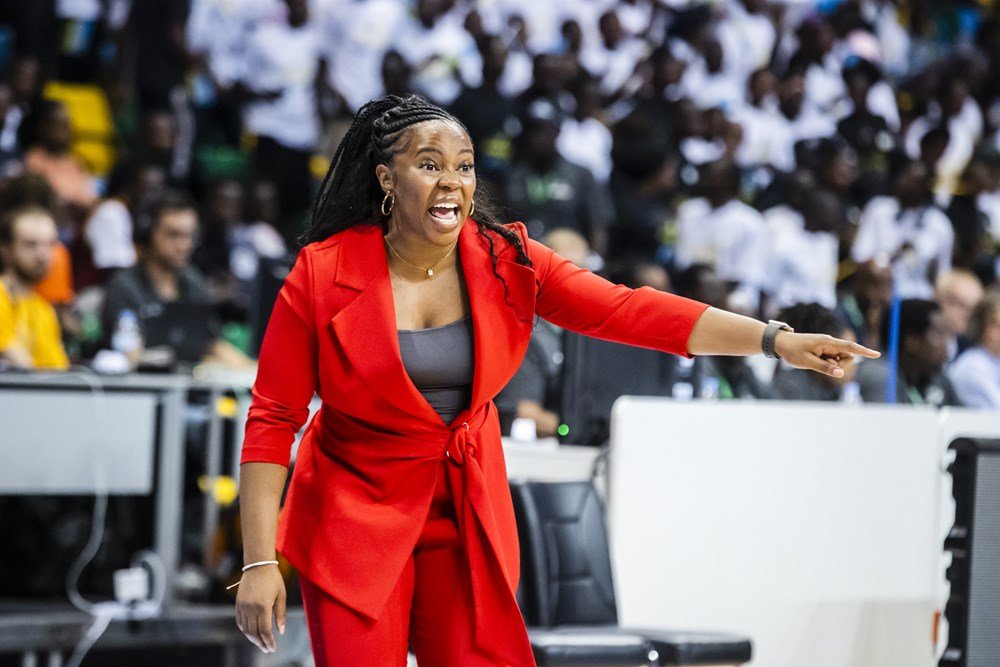
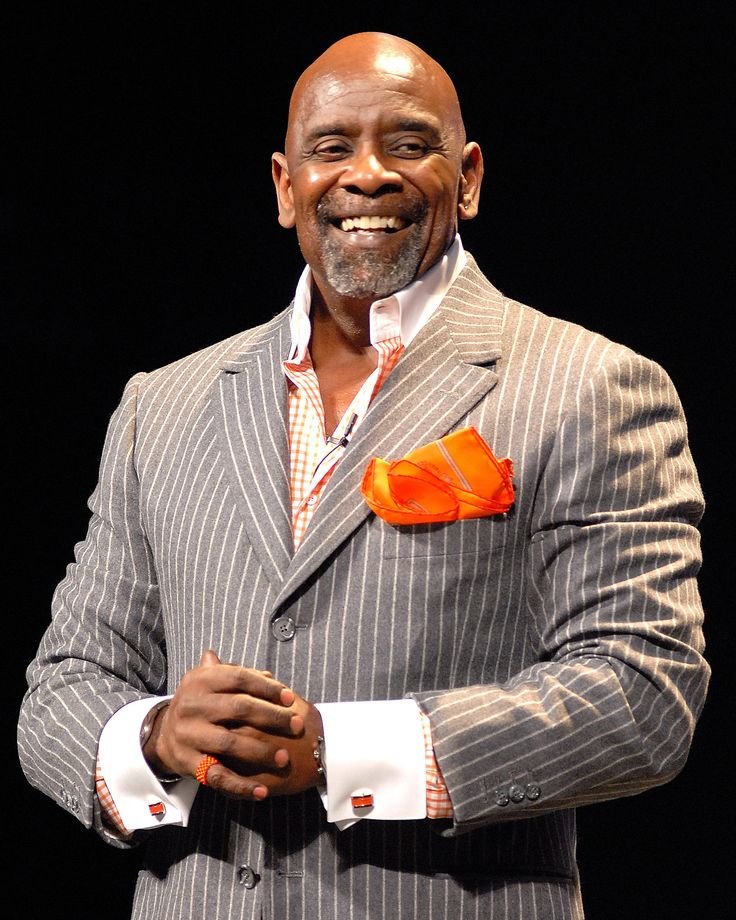
Meet Emem Nwogwugwu.
She helps people build systems that serve the whole person and not just the bottom line. In our Founders Friday feature, Emem shares what transformation really looks like, how to stay grounded in chaos, and why presence is the real secret to a balanced life.
Born from family, built with purpose. Sisé is redefining how African meals are cooked and enjoyed, without losing the soul. Founded by two sisters from a lineage of incredible cooks, Sisé delivers bold, homegrown Nigerian flavours in under 20 minutes. Their mission? To make traditional meals accessible, joyful, and stress-free for modern homes - one meal kit at a time.
After 13 years of quiet growth and deep surrender, Elwoma returns with Throne of Grace, a worship album rooted in Hebrews 4:16 and birthed from a place of authentic devotion.
Thing and about thinking differently. About making bold decisions, developing clarity, and building discipline long before the money shows up.
In this post, I share 7 timeless money mindsets from the book, the kind that don’t just live in theory, but show up in your daily choices, habits, and circle.
We often hear that necessity is the mother of invention. But sometimes, it’s raw, personal, and unrelenting grief that pushes a person to change the world.
That was the case for Dr. Ola Brown – a Nigerian-British medical doctor, entrepreneur, helicopter pilot, and investor. But more than anything else, she is a woman who saw the devastating void between life and death, and chose to build a bridge across it. That bridge became Flying Doctors Nigeria.
But her journey didn’t begin in a hospital or boardroom. It started with the ache of loss.
Humble Beginnings in the UK
Born in 1986 as Olamide Orekunrin, she was raised in Lowestoft, a quiet coastal town in England, by a white British foster family. The home was modest, but rich in discipline, compassion, and a deep respect for education.
At just 15 years old, she enrolled in medical school at the University of York, later becoming one of the youngest medical doctors in the UK. But it wasn’t her brilliance that shaped her path, it was tragedy.
The Moment That Changed Everything
Years later, during a family visit to Nigeria, her younger sister, who had a chronic health condition—fell critically ill. Ola and her family needed to fly her to a hospital with better care. To their shock, no functional air ambulance service existed in the entire region.
They tried everything. But time ran out. Her sister died, not for lack of love or money, but because the system failed.
“We had the means, we had the will, but we didn’t have the infrastructure. I could stay angry, or I could create what we lacked.” – Dr. Ola Brown
Becoming the Solution
Instead of returning to a comfortable career in the UK, Ola took an extraordinary step. She trained as a helicopter pilot, studied emergency medical systems around the world, from the UK to South Africa to the UAE—and moved to Nigeria to build what had never existed before.
She started with a single aircraft, a handful of trained doctors, and an unshakable conviction that every life, no matter where it begins, is worth saving.
“People told me Africa wasn’t ready. But that’s exactly why I came—because we have to be ready. Lives can’t keep waiting.” – Dr. Ola Brown
Flying Beyond the Skies
Today, Flying Doctors Nigeria has transported thousands of patients, providing emergency medical services to oil companies, private clients, and governments. From remote areas to crash sites, their work is saving lives in places once deemed unreachable.
Her mission remains clear: to reduce preventable deaths by strengthening Africa’s healthcare systems.
A New Kind of Leadership
Dr. Ola Brown represents a powerful shift in African leadership – one rooted in vision, fearlessness, and personal conviction. Her work has earned her global recognition, from Forbes and CNN to the World Economic Forum, where she was named a Young Global Leader. She is also a recipient of the national honour of Member of the Order of the Federal Republic (MFR) in Nigeria.
Yet she stays grounded in the reason she began: a promise never to let another family suffer what hers did.
“Purpose doesn’t always come from passion,” she said. “Sometimes, it comes from pain. And when it does, it can be the most powerful kind.”
What Her Story Teaches Us
Dr. Ola’s journey shows us that you don’t need perfect conditions to start. You don’t need everyone to agree. Sometimes, you just need the courage to build what doesn’t exist yet.
Her story isn’t just about flying helicopters, it’s about lifting people out of helplessness, through vision, grit, and love.
This Inspire Monday, Ask Yourself:
Where is the system broken around you?
What pain have you experienced that the world hasn’t fixed?
What would happen if you stopped waiting, and started building?
The path won’t be easy. But as Dr. Ola Brown shows us, when you let purpose rise from your pain, your impact can reach beyond what you ever imagined, even as far as the sky.
In times of disruption – whether personal, political or global – the question isn’t whether fear will visit us. It’s what we will do when it does.
Michelle Obama’sThe Light We Carry doesn’t attempt to erase fear or uncertainty. Instead, it offers a thoughtful framework for navigating them. Drawing from her lived experiences as a mother, lawyer, First Lady and Black woman in the public eye, Michelle invites readers into a toolkit for steadiness: a set of practices and perspectives cultivated not in ease, but in tension.
Through stories of struggle, self-doubt and quiet triumph, she reveals what it means to lead oneself and others through seasons of darkness by carrying light.
The following are five enduring lessons from the book – relevant not only for personal growth but for leadership, resilience and cultural clarity.
1. Fear Never Disappears – But You Can Still Move
Early in the book, Michelle writes:
“Fear is a natural reaction to change, to the unknown, to everything that lies beyond our control. But courage isn’t the absence of fear; it’s doing what you have to do, even when you’re afraid.”
She admits that even as First Lady, she battled fear – fear of not belonging, of saying the wrong thing, of being judged too harshly or too softly.
The lesson? Courage is not a magical state you wait to feel. It’s a practice. A choice. We learn to carry fear, not eliminate it – and still press forward.
2. “Start Kind” – Especially With Yourself
One of the standout chapters in the book focuses on self-talk and inner compassion. Michelle shares that during tough seasons, she would remind herself to “start kind.”
“We are often kinder to strangers than we are to ourselves. We extend patience, understanding, and gentleness outward – while holding ourselves hostage to perfection.”
This reminder is a quiet revolution in a culture that worships hustle and constant self-optimization. It urges us to treat ourselves as we would a close friend – not with shame, but grace.
3. Authenticity Is a Superpower
Michelle tells the story of her early insecurity as a young Black girl from the South Side of Chicago, walking the halls of Ivy League institutions and later the White House. The gap between where she came from and where she stood was immense.
And yet:
“When we allow ourselves to be known, when we step into a room and bring our full selves with us, even if our voice shakes – we give others permission to do the same.”
In a world of filters, comparison, and pressure to conform, authenticity becomes a kind of rebellion, a light we carry for ourselves and for others.
4. The Small Things Save Us
In one of the most tender parts of the book, Michelle reflects on her daily habits: knitting, long walks, regular calls with friends. They’re not glamorous, but they’re grounding.
“When the world feels heavy, I reach for the smallest things – a cup of tea, the click of needles, the voice of someone who knows me well. That’s where I find my footing again.”
It’s a beautiful reminder that healing doesn’t always come from big breakthroughs – sometimes it comes from slow, steady rituals.
5. We’re All Light-Bearers
The Light We Carry is a call to action. To recognize that, no matter how ordinary we feel, we carry light – a power to comfort, guide, and uplift others.
“Your light is not just for you. It’s for the people who are watching, hoping, and learning from your story.”
This book isn’t just Michelle Obama’s story. It’s an invitation for all of us to show up – flawed, human, and full of light – and share what we have.
Final Reflection
Michelle Obama doesn’t write from a pedestal, she writes from a place of shared struggle, laughter, and learning. The Light We Carry isn’t about being fearless or perfect. It’s about being human – and doing it with courage, care, and community.
So if you’re feeling stuck, uncertain, or simply tired, this book offers more than just motivation. It offers solidarity. And a soft but firm reminder:
Some people follow the path laid before them. Others create a new flight plan – one that inspires generations to soar beyond what they once thought possible.
Born and raised in Nigeria, Dr. Wendy didn’t grow up near space centers or surrounded by aerospace icons. But she was raised in a home where education mattered, curiosity was nurtured, and ambition was not a foreign language. That early support became the launchpad for a future she had never fully seen – but always believed was possible.
Today, she is not only one of NASA’s brightest minds, but a role model proving that your background doesn’t define your ceiling – your vision, work ethic, and purpose do.
Soaring in a Space Meant for Few
Dr. Wendy joined NASA’s Ames Research Center in Silicon Valley, where she quickly stood out – not just as a young engineer, but as a leader in systems design.
She contributed to NASA’s Orion spacecraft program, helping develop systems for one of the most advanced human spaceflight projects of our time. She also played key roles in the System-Wide Safety (SWS) Project and now works in NASA’s Intelligent Systems Division, building technologies that allow aircraft to “think” mid-flight – shaping the next generation of autonomous aviation.
Her research ensures that space and flight missions become not only possible but safer and more sustainable.
But beyond her brilliance in science and technology, what makes Dr. Wendy truly inspiring is who she never stopped being – a woman proud of her roots, committed to mentorship, and passionate about making space – both figuratively and literally – for others.
Honors That Reflect Her Impact
Dr. Wendy Okolo’s brilliance has been recognized across the globe. In 2019, she received the prestigious Black Engineer of the Year Award (BEYA) as Most Promising Engineer in Government – a symbol of rising Black excellence in STEM. She also earned the NASA Ames Honor Award for her groundbreaking work in aerospace systems.
And yet, when she speaks, there’s no prideful posturing – just humility, vision, and a call to open doors for others.
“It’s not just about me. It’s about opening doors for others who may not see themselves represented in these spaces.” — Dr. Wendy Okolo
In June 2023, Dr. Wendy released her book titled Learn To Fly: On Becoming a Rocket Scientist – an academic memoir mixing personal anecdotes with actionable advice for anyone pursuing STEM. It emphasizes that everything is for everyone, from scholarships and time management to networking and grit.
A Role Model for a New Generation
Dr. Wendy’s presence in aerospace labs sends a powerful message: representation matters. She actively mentors students, especially young women – showing that science is not a gated club, but a frontier for all brilliance. Her journey reminds us that success is not just about achievement – it’s about inspiring and uplifting others.
In a fame-obsessed world, Dr. Wendy offers something deeper: legacy.
She doesn’t just make space for herself – she builds space for others. Her success is not loud – it’s rooted in purpose, service, and consistency.
Finally
Let Dr. Wendy Okolo’s story propel you upward – not just with talent, but with clarity, courage, and compassion.
You don’t need privilege to achieve greatness.
You need vision, discipline, and a purpose that lifts others as you rise.
Because the greatest success is not just aiming high, it’s bringing others along.
In business, we often hear the phrase: “Start where you are.” But what does that actually look like when you have no funding, no connections, and you’re building from one of the world’s most overlooked neighborhoods?
Bethlehem Tilahun Alemu, a young woman from Zenabwork, Ethiopia, answered that question – not with tweets or TED Talks, but with action.
In 2005, she founded SoleRebels, a footwear company built using recycled tires, hand-woven fabrics, and traditional Ethiopian shoemaking techniques. Today, that company sells in over 50 countries, runs stores on multiple continents, and is celebrated globally for its innovation, sustainability, and authenticity.
But this isn’t just a story about success. It’s a blueprint.
Here are five timeless lessons we can all learn from how Bethlehem built a global brand from the ground up.
1. You Don’t Need Perfect Conditions to Start — You Need a Clear Vision
Bethlehem didn’t wait for investors or imported machinery. She started with what her community already had – skills, materials, and culture.
“We wanted to prove that we could compete globally – not as a charity, but as a world-class brand.” – Bethlehem Tilahun Alemu
Lesson: Start with what’s in your hands. Tools will come. Capital can follow. But if you lack vision, nothing can grow.
2. Culture is Not a Limitation — It’s a Competitive Edge
Rather than imitate foreign fashion brands, she leaned deeply into local identity. SoleRebels became known for its authentic African craftsmanship, sustainable practices, and cultural pride.
Lesson: In a world of copies, originality wins. Root your brand in something real. People buy into authenticity before they buy the product.
3. Think Global from Day One — Even If You’re Still Local
Bethlehem didn’t build for her street alone. She built with a global consumer in mind – designing for quality, opening e-commerce channels, and speaking the language of ethical consumerism.
Lesson: Your environment may be small, but your mindset shouldn’t be. Design to scale. Prepare to export – even when you’re still in the prototype stage.
4. Sustainability is More Than a Trend — It’s a Business Model
Bethlehem didn’t chase green buzzwords. She built a company on waste reduction, local sourcing, and zero-carbon workshops. Today, SoleRebels is one of the most environmentally friendly footwear brands globally.
Lesson: You don’t need to harm the earth to make profit. Build models that serve people and the planet.
5. Ownership Matters — Don’t Build Just to Sell
Despite global recognition and media attention, Bethlehem stayed true to her roots and retained ownership of her company. Her focus wasn’t just scaling, but building a generational institution.
Lesson: Growth is great, but don’t lose your soul in the process. Protect your values. Own your story.
Closing Note
Bethlehem’s story is not about being African. It’s about being bold. It’s a reminder that you don’t need to be in Silicon Valley to build something world-class. You can start where you are, use what you have, and grow into places you never imagined – if you stay grounded in purpose, originality, and service.
Build something worth building — not just for money, but for meaning.
Not many stories begin with, “He wasn’t expected to survive.” But that’s how Ugochukwu Omeogu’s life began.
Born in Abia State, Nigeria, Ugochukwu contracted polio at just 18 months old. The illness left his legs paralyzed. Doctors gave little hope for survival, but his mother remembers the force in his cry, the fire in his eyes. That child – fragile but fiercely alive – would go on to prove that even when the body falters, the mind can still move mountains.
For over 40 years, he moved with crutches, but he never allowed them to carry his identity. He refused to be defined by pity or limitation. As a child, he would dress up and wait by the gate of his father’s house, hoping someone would help him get to school. One day, someone did. He later said, “If I hadn’t moved from the house to the gate, help would never have come.”
Even in limitation, he learned the power of positioning. He learned to show up – even when he didn’t know how things would work out.
His father once told him, “What happened to your legs did not affect your brain.” That one sentence became a foundation. Ugochukwu chose not to dwell on what wasn’t working – but to master what still was: his mind.
Years later, he later moved to the United States, self-educated through libraries, and rose in the corporate finance world. He worked with JP Morgan Chase and later became a regional leader at World Lending Group in Dallas. Still, something deeper called to him.
Today, Ugochukwu is a mindset coach, business strategist, speaker, and the founder of Wealthinaire Academy and Merignos Consulting. Through his work, he helps individuals and organizations – especially across Africa – transform their thinking, create sustainable wealth, and walk in purpose. His passion is deeply personal: to raise a generation that refuses to be defined by limitation, and instead leans into the limitless potential of the mind.
One of his most powerful reflections came from watching a man change a flat tyre. He thought, “If man includes a spare tyre, then God must have given me a spare leg. That leg is my mind.”
He teaches today that mental laziness is the real disability – and that anyone, with a trained mind, can rise.
“If your hands and legs are disabled but your mind is working,” he says, “you can rise above any circumstance and even lift men whose hands and legs distract them from using their brains.”
His life reminds us: wholeness isn’t about having everything – it’s about using what you’ve been given with intention.
Maybe this week, that’s the call – to stop waiting for perfect conditions. To move toward the gate. To remember that your mind is your spare. And with it, you can go farther than anyone expects.
You don’t need to have it all together. You just need to start – where you are, with what you have.
Unfortunately, when we hear “Mental Health,” we often do not picture a man at the center of that conversation. For years, men have been conditioned to “man up,” “hold it in,” and “tough it out.” But thankfully, things are changing.
At The Brief Network, this June, we’re shining a light on Men’s Mental Health Month by celebrating men who are not only excelling in their careers but are also doing the inner work. These men are raising the bar not just in business, fashion, tech, or the arts, but in emotional intelligence, vulnerability, and holistic well-being.
Let’s meet some of the Nigerian men who are boldly leading the way:
You may know him for his iconic agbadas and on-screen charisma, but Ebuka is more than a fashion icon. Over the years, he’s been candid about the pressure of public life, fatherhood, and staying mentally grounded in a fast-paced industry. His ability to balance vulnerability with elegance is setting a new tone for Nigerian men, one where mental clarity and success coexist.
Why he’s raising the bar: He’s made it cool to care for yourself, your family, and your mental state, while still showing up as a boss in your field.
2. Dr. Ayomide Adebayo: A Psychiatrist Normalizing Therapy for Men
In a society where therapy is still taboo for many, Dr. Ayomide is gently flipping the script. Through his practice and content, he’s helping Nigerian men understand that emotional wellness isn’t a weakness but a strength. His podcast and public engagements have become safe spaces for men to learn, unlearn, and begin their healing journeys.
Why he’s raising the bar: He’s making mental health education accessible and relatable, especially to African men who often carry silent burdens.
3. Denola Grey: Championing Mental Wellness Through Creative Expression
Fashion consultant, writer, and actor Denola Grey is no stranger to self-expression. But beyond the clothes and content, he’s been a bold voice in discussing anxiety, depression, and the healing power of creativity. He’s proof that softness and strength can live in the same sentence.
Why he’s raising the bar: He’s showing men that you can be fashionable, fabulous, and emotionally vulnerable without shame.
4. Fisayo Fosudo: The Tech Storyteller Building With Mindfulness
In the buzzing world of tech reviews and digital content, Fisayo Fosudo stands out not just for his high-quality videos but for his thoughtful approach to life and work. He’s open about pacing himself, staying grounded, and protecting his peace while building a thriving brand.
Why he’s raising the bar: He prioritizes intention over hustle, proving you don’t have to burn out to succeed.
5. Noble Igwe: Fatherhood, Fashion, and The Power of Showing Up
Noble Igwe’s journey as a media entrepreneur and father is layered with intentionality. Through social media, he lets us into his world; where showing up for your family, taking care of your mind, and living stylishly don’t cancel each other out.
Why he’s raising the bar: He’s changing the narrative around what a modern African man looks like: flawed, real, and emotionally present.
More Than A Hashtag #mensmentalhealthawareness: Why These Stories Matter
Men’s mental health is not a one-month conversation. It’s an everyday reality. These men aren’t perfect (none of us are), but they’re paving a path for younger generations to know that it’s okay to ask for help, to cry, to heal, and to grow.
At The Brief Network, we believe true success includes mental wellness. And as more men step into spaces of vulnerability, they’re not just raising the bar. They’re rebuilding it entirely.
To Every Man Reading This…
You are allowed to pause. You are allowed to rest. You are allowed to seek help. And yes, you are still strong.
Have you been wondering how to turn your skills into a stream of income in today’s digital world? You’re not alone – and you’re not without guidance.
One of the clearest voices in this conversation is Gary Vaynerchuk – a serial entrepreneur, investor, author, and digital strategist who transformed a family wine business into a $60 million empire and went on to build VaynerMedia, one of the top marketing agencies globally. He’s known for helping people cut through the noise and build businesses by turning what they know into what they do – and what they do into what they earn.
So if you’ve ever asked yourself: How can I monetize what I know? Here’s a roadmap, inspired by lessons from someone who has helped thousands do exactly that.
1. Start With What You Know
Monetization doesn’t start with invention – it starts with self-awareness. Take inventory of what you’re already good at. It might be something others consider ordinary: explaining things clearly, designing, editing, organizing, writing, cooking, or fixing things. These aren’t just hobbies. They’re assets.
Don’t overthink it. Simplicity scales. As Gary once put it, “Skills are cheap. Passion is priceless.” You don’t need a brand-new idea. You need clarity on what you already carry.
Stop asking, “Is this enough?” and start asking, “Who can this help?”
2. Share the Process, Not Just the Product
People don’t just connect with finished work – they connect with the journey behind it. Instead of trying to create the perfect content or look like an expert, start documenting your process. Show your progress, your challenges, your routines, your wins, and even your mistakes.
This approach builds trust. You’re not just showing what you do – you’re showing who you are. And trust always comes before transactions.
3. Offer Value Before You Ask
The biggest mistake many creators and entrepreneurs make is asking for attention before earning it. The digital economy runs on value, not noise. Teach something. Entertain. Solve problems. Inspire action.
When people find answers or energy in your content, they keep coming back. That loyalty is what leads to buying, booking, or referring.
Gary says it best:
“Give value. Give value. Give value. Then ask.”
4. Build Community, Not Just an Audience
It’s not about how many followers you have, it’s about how many you care for. Respond to comments. Thank people who support your work. Ask questions. Start conversations.
One person who feels seen will tell ten others. This is how movements grow – one connection at a time.
And remember: “Legacy is greater than currency.” Focus on building impact, not just income.
5. Stay Consistent, Even When It’s Quiet
The first few weeks or months might feel slow. You may post without much engagement. But consistency is what separates those who grow from those who give up. You’re not failing – you’re planting seeds.
Keep refining your skill. Keep showing up. Keep creating. In Gary’s words:
“Patience is the secret weapon of the successful.”
The Takeaway
You don’t need a fancy logo, a viral moment, or a million followers. You need a skill, a phone, and the courage to begin.
Start where you are. Serve who you can. Share what you know. There’s someone out there who needs what you do – and they’re searching for it online right now.
As Gary Vee reminds us:
“The internet is the most powerful tool we’ve ever had. It levels the playing field. Use it.”
This week, choose to stop waiting and start building.
Your future doesn’t start when things are perfect.
Some people wait to be discovered. Others dare to show up – and become undeniable.
Trevor Stuurman is proof that when you embrace who you are, where you’re from, and what makes you different, the world eventually leans in to listen.
Long before the world celebrated African fashion, art, and aesthetics, Trevor was already documenting them with bold pride and quiet conviction. Where others saw ordinary, he saw magic. Where others saw limitations, he found legacy. His lens became his revolution.
Raised in Kimberley, South Africa, Trevor didn’t learn style from runways or magazines. His education came from family gatherings, township vibrancy, and the sacred rituals of everyday life. Sunday-best clothes, floral couches, corner barber shops – these were his first fashion houses, galleries, and studios.
“I’m inspired by home,” he once said. “Everything I do starts there.”
And from that homegrown inspiration, he built a global platform.
Since winning the SA Elle Style Reporter competition in 2012, Trevor has collaborated with cultural icons like Barack Obama, Beyoncé, Naomi Campbell, and Chimamanda Adichie. He has grown into one of Africa’s most influential creative voices. His work has appeared in Vogue, GQ, and global campaigns for Apple, BMW, Dior, and more. Still, his greatest achievement may be this: he never left Africa behind—he brought her forward.
“I create images that reflect the world I want to live in,” he shared in an interview with Between 10and5. “A world where African stories are told by Africans and are as desirable as they are authentic.”
A Lens That Tells the Truth
Trevor doesn’t just take photos – he captures essence. His images are unapologetically African: bold colors, sacred traditions, modern elegance, and deep-rooted pride. From children wrapped in tradition to women crowned in confidence, his art tells a story of resilience, beauty, and belonging.
But behind every photo is a philosophy:
“The lens I use is an extension of my identity,” he said. “It’s how I see the world, and how I want the world to see Africa.”
More than a creative, Trevor is a custodian of culture. A stylist. A director. A storyteller. A visionary. He doesn’t just celebrate African heritage – he archives it for future generations.
His work reminds us that art isn’t just about what we see; it’s about what we choose to remember.
Creativity with Conviction
When the COVID-19 pandemic swept the world in 2020, Trevor chose to create. Amid fear and uncertainty, he launched visual campaigns that honored frontline African workers, uplifted stories of hope, and turned pain into power through art.
That moment revealed his truest gift: To turn creativity into healing. Imagination into activism. Art into advocacy.
His work during the pandemic wasn’t about content, it was about connection. A reminder that in our darkest moments, we still carry light.
The Takeaway? It’s You
Trevor Stuurman’s rise is more than a success story – it’s a blueprint for belief.
It teaches us that you don’t need permission to be great. That your background is not your barrier – it’s your foundation. That the most powerful story you can tell is your own.
“Representation matters. It shapes our reality,” he said. “That’s why I continue to show up and create what I want to see more of.”
This Inspire Monday, let Trevor’s journey awaken something in you: You don’t need to chase trends. You don’t need to shrink to fit the frame. You don’t need to wait for applause.
You need only to start. To see yourself clearly. To tell your truth boldly.
Whatever your lens – your words, your voice, your vision, pick it up and use it with intention. Frame your world with purpose. And let the world adjust its focus.
When Ruby Agu was diagnosed with low blood pressure in 2011 at age 31—after having two children—she didn’t realize how serious it was. She followed the doctor’s prescriptions, but never really connected the dots between her health, her heart, and her lifestyle.
Like many women, she assumed her weight was simply “baby weight,” something to shed for looks—not health. That would change in 2013.
After delivering her third child, Ruby received a diagnosis that shook her: Left Ventricular Hypertrophy (LVH)—a serious condition where the heart’s left ventricle thickens, making it harder to pump blood and potentially leading to heart failure. But instead of prescribing medication, her cardiologist prescribed weight loss.
Under medical supervision, she lost 10kg in one month, and that marked the beginning of FitAuntyRuby. In 12 months, she lost a total of 35kg.
But weight loss wasn’t the only battle she fought.
Following her third delivery, Ruby began to experience abnormal and prolonged menstrual bleeding. Her first postnatal period lasted over 2.5 weeks, followed by episodes that came in waves of 10 to 17 days. Weak, dizzy, and constantly bleeding, she leaned on her mother for support.
Eventually, after consulting with multiple specialists, Ruby made the difficult decision to undergo a hysterectomy just 7 months after giving birth via C-section.
During her post-op review, she received yet another critical piece of information: The mass they thought was fibroid was actually endometrial hyperplasia—a condition that could have progressed to endometrial cancer within 18 months if left untreated.
The Emergency Surgery
In 2016, Ruby began to feel unimaginable abdominal pain, rushed to the hospital, and throwing up repeatedly. Tests, scans, and prolonged suffering led to an exploratory laparotomy—a major abdominal surgery.
The cause? A severe intestinal obstruction that had already led to perforation in both her large and small intestines. Portions had to be removed and patched up. Healing took time. It still does.
“So the next time you wanna judge my abs as a fitness trainer—DON’T! You have no idea what I, or this stomach, have been through.”
A Life Rebuilt with Purpose
Today, Ruby Agu is not just a fitness coach. She is a survivor. A woman who turned her pain into purpose. Her story is proof that fitness is not just about aesthetics—it’s about reclaiming life, protecting your health, and honoring your body.
She now helps others transform their lives—not just through exercise, but through knowledge, compassion, and lived experience.
About Ruby Agu
Ruby Agu is a certified trainer and health coach with specialties in Lifestyle & Weight Management (NESTA), Fitness Nutrition Consulting (NESTA), and more. She is the founder of FitAuntyRuby and a strong advocate for sustainable wellness, especially among women navigating motherhood, recovery, and long-term health.
The Brief Network: Inspiring Stories and Empowering Lessons.
In a world obsessed with positivity, performance, and curated perfection, Mark Manson’s The Subtle Art of Not Giving a Fck* cuts through the noise with brutal honesty and refreshing clarity. This best-selling book doesn’t offer the usual motivational fluff. Instead, it presents a surprisingly grounded guide to living a focused, intentional, and meaningful life by choosing deliberately – what truly deserves our time, energy, and emotional investment.
With a voice that is equal parts philosophical and street-smart, Manson challenges readers to abandon the endless pursuit of happiness and instead embrace responsibility, discomfort, and clarity. His core message is simple yet profound:
“You only have so many fcks to give, so give them carefully.”
Here are seven compelling lessons the book offers:
1. Not Everything Deserves Your Energy
Manson’s central thesis is that our emotional bandwidth is limited. Trying to care about everything – every opinion, failure, or expectation is a surefire path to burnout. Maturity, he argues, is about knowing what truly matters and letting go of the rest.
“Maturity is what happens when one learns to only give a fck about what’s truly fckworthy.”
Lesson: Living well requires discernment. Focus on what aligns with your values and let go of the distractions.

2. Pain Is an Inevitable Part of Growth
Instead of promising a life free from pain, Manson emphasizes that struggle is part of the process. In his words,

“Who you are is defined by what you’re willing to struggle for.”
Every meaningful pursuit, whether it’s building a career, nurturing relationships, or chasing a dream – demands discomfort.
Lesson: The path to purpose is often paved with struggle. Pain isn’t something to avoid – it’s something to choose wisely.
3. You Are Always Responsible for Your Choices
One of the book’s strongest themes is ownership. Even when life throws unfair circumstances our way, Manson reminds us that how we interpret and respond is always within our control.
“We don’t always control what happens to us. But we always control how we interpret what happens to us, as well as how we respond.”
Lesson: You may not control every situation, but you always control your response. That’s where true power lies.
4. Certainty Is the Enemy of Growth
In a culture of strong opinions and echo chambers, Manson urges readers to welcome uncertainty. He argues that being open to being wrong is essential for personal evolution.
Lesson: Humility is a superpower. Growth only happens when you’re willing to challenge your own beliefs.
5. You’re Not Special – And That’s Liberating
Manson makes the bold claim that believing we’re special or entitled to an extraordinary life sets us up for disappointment. True freedom, he says, comes from embracing our ordinariness and letting go of the need for validation.
“Entitlement strips us of our ability to grow. It’s the opposite of accountability.”
Lesson: You don’t need to be exceptional to live meaningfully. Embrace your humanity, and focus on what you can control.
6. Happiness Comes From Solving Problems
Happiness, according to Manson, isn’t about luxury or escaping challenges. It comes from facing meaningful problems head-on and making progress.
“Happiness comes from solving problems.”
Lesson: Fulfillment doesn’t come from ease, it comes from overcoming what matters.
7. Death Clarifies What Matters Most
In the closing chapters, Manson reflects on mortality as a source of wisdom. Far from being dark, he frames death as a clarifying force that helps us live better.
“You are going to die someday. And in the face of that terrifying reality, everything else becomes more meaningful.”
Lesson: Life is short. Let your values, not fear or comparison – shape your priorities.
A Thought to Leave You With
The Subtle Art of Not Giving a Fck* is not your typical self-help book. It doesn’t offer empty affirmations or polished success formulas. Instead, it gives readers a sobering, liberating message: you’re not promised an easy life, but you can choose to live a meaningful one.
This book is for anyone feeling overwhelmed, lost in the noise of expectations, or looking for clarity in a culture that tells us to always want more.
Sometimes, real growth begins not when we say “yes” to more, but when we start saying “no” to what doesn’t matter
Ready to rethink how you live and lead? Grab your copy of The Subtle Art of Not Giving a Fck*here, and start choosing what really counts.