

Forbes dropped its 2026 Top Creators list this week, and for the first time in the five years the ranking has existed, the 50 creators on it collectively crossed one billion dollars in annual earnings. The group brought in a combined $1.02 billion over the past year, up 20 percent from the year before and nearly double what they earned when the list first launched in 2022. The creator economy is no longer a side hustle. It is one of the most powerful wealth-generating forces of our time.
But beyond the dollar figures, what this list really reveals is a set of patterns. The people at the top did not get there by accident. They made deliberate choices about audience, ownership, and scale. Here are the ten richest creators on the planet in 2026, and what their rise means for anyone building something of their own.
1. MrBeast – $300 Million
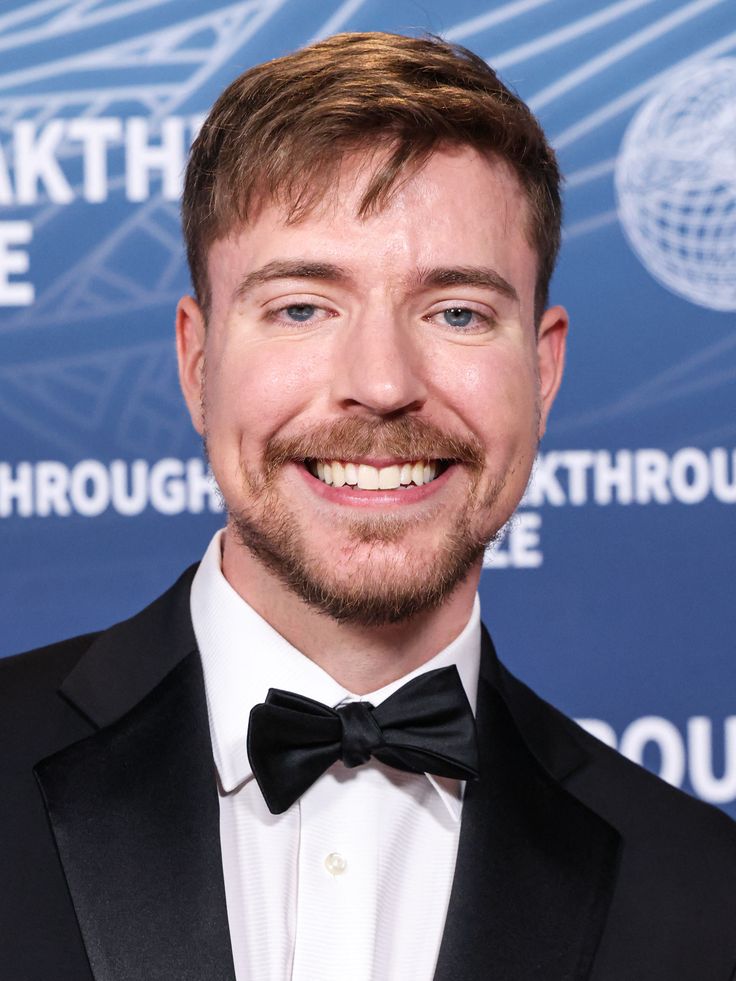
Jimmy Donaldson, better known as MrBeast, tops the list for the fifth year in a row with $300 million in earnings. At 28, he oversees a sprawling operation that includes YouTube channels with over 640 million subscribers, a production studio, food businesses, and Beast Games, his reality competition series on Amazon Prime.
The lesson here is not about viral videos. It is about reinvestment. MrBeast has spoken openly about channeling nearly everything he earns back into his content and his business infrastructure. He did not build a channel. He built a media company, and that distinction explains everything.
2. Dhar Mann – $65 Million
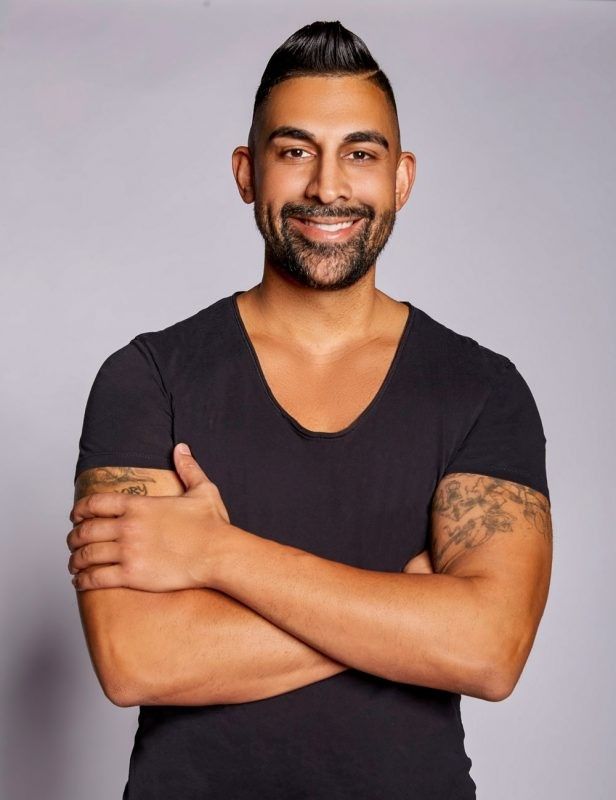
Dhar Mann ranks second with $65 million in earnings. He runs a 200-person production team turning out digital shows that pull in close to 300 million views every week. What sets him apart is his orientation. Rather than creating content and hoping an audience finds it, he has built a system that listens first and produces second. His output is values-driven and consistent, and it scales precisely because it is not anchored to a single personality.
3. Steven Bartlett – $52 Million
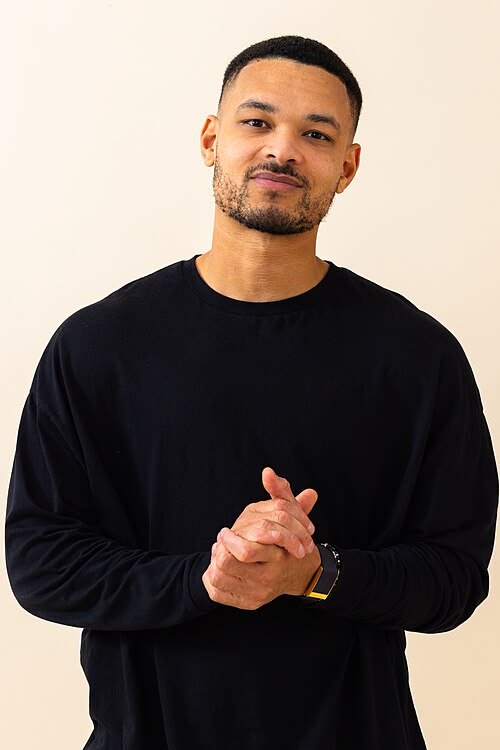
Steven Bartlett earned $52 million this year, building wealth at the intersection of podcasting, investing, and brand partnerships. His show, The Diary of a CEO, is among the most listened-to podcasts in the world. Bartlett’s real lesson is about positioning. He entered the creator space as a businessman who makes content, not a content creator who stumbled into business. That framing gave him access to rooms most creators never enter.
4. Markiplier – $38 Million
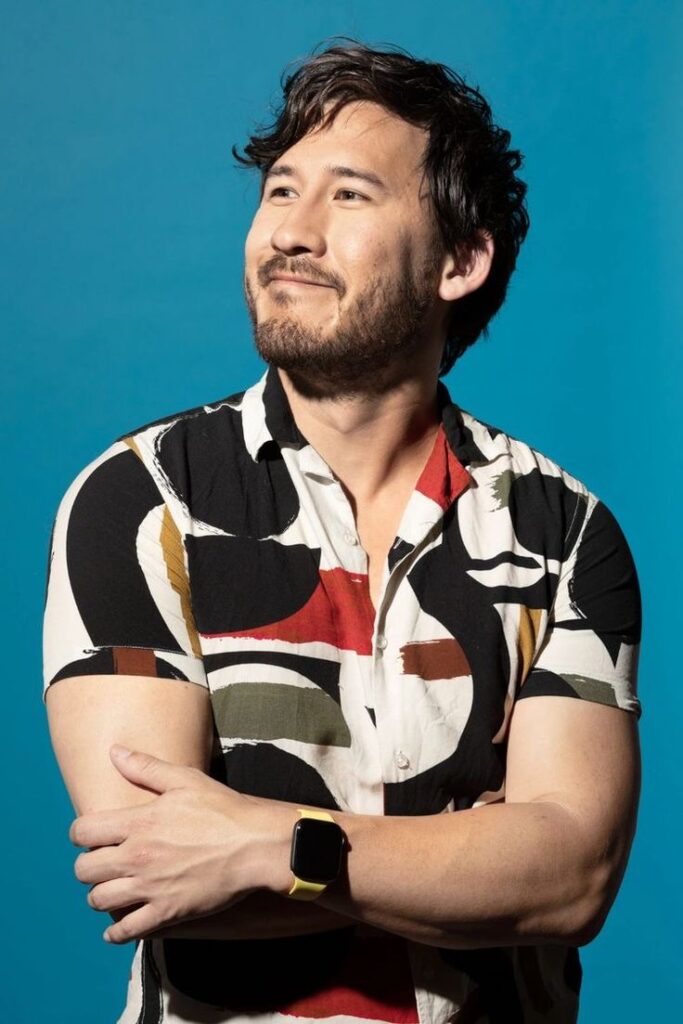
Markiplier earned $38 million this year. He started as a gaming YouTuber but gradually expanded into independent filmmaking, merchandise, and a coffee brand. His career shows that a creator who understands their audience enough can extend that trust into almost any product category. The platform was a starting point, not a ceiling.
5. Rhett and Link – $37 Million
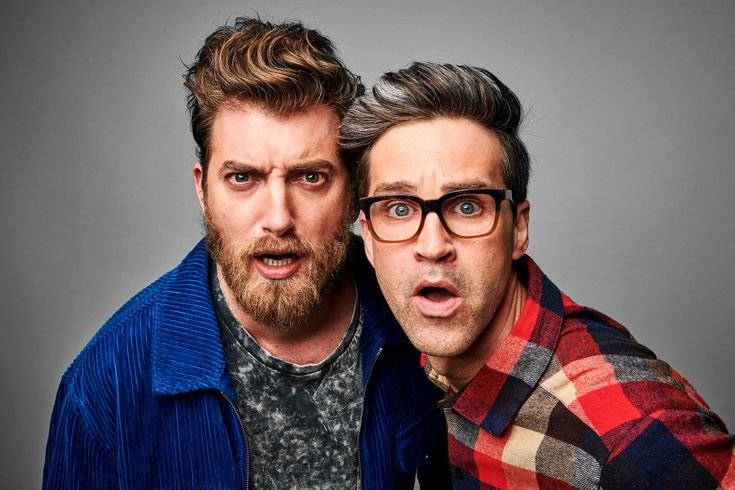
Comedy duo Rhett and Link brought in $37 million this year. They are among the earliest examples of creators who built a proper company around their content rather than keeping it informal. Their Mythical Entertainment business manages their YouTube channels, a podcast network, merchandise lines, and entertainment projects. The lesson is longevity through structure. They have sustained this for over a decade because they treated it like a business from the very beginning.
6. Charli D’Amelio – $18 Million
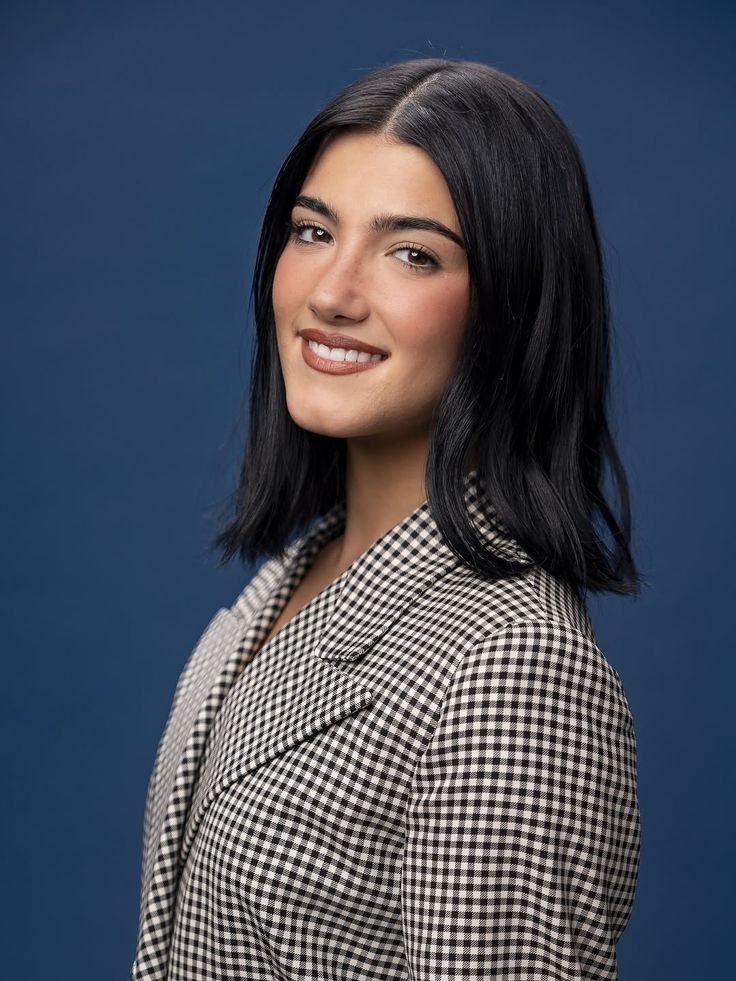
Charli D’Amelio earned $18 million this year. She rose on TikTok faster than almost anyone in the platform’s history, and rather than riding that wave until it faded, she and her family built D’Amelio Brands, expanding into fashion, lifestyle, and entertainment. Her story is a reminder that virality is an entrance, not a destination. What you build after the initial wave is what lasts.
7. Druski – $20 Million
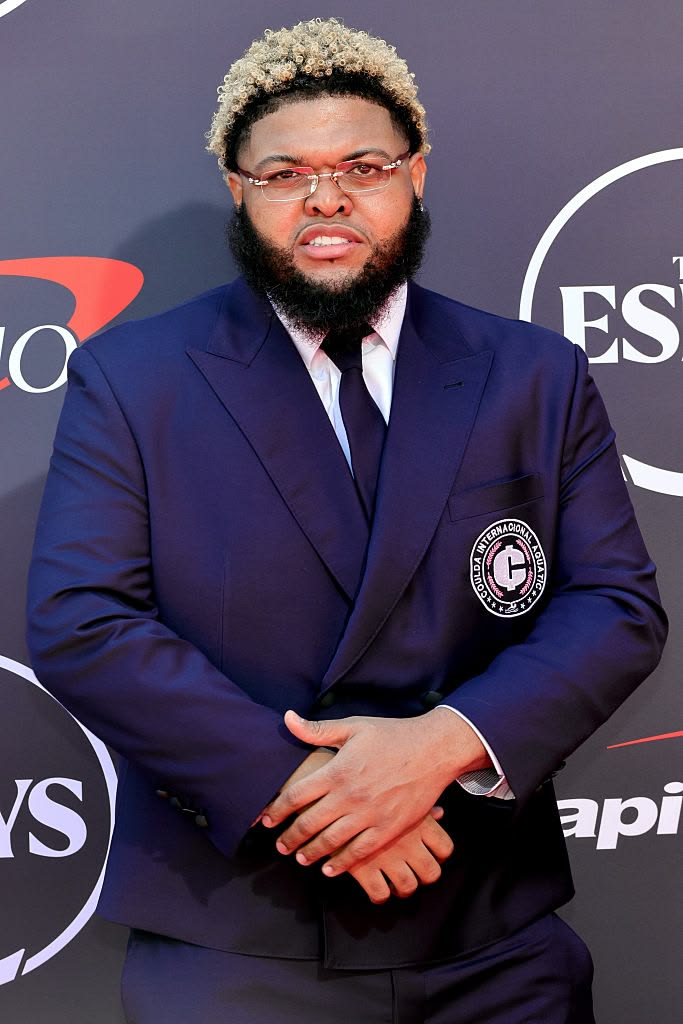
Druski earned $20 million this year. He built his name through sketch comedy and sharp cultural instincts, then converted that attention into brand partnerships, high-profile music video appearances, and his own entertainment label. His lesson is that cultural fluency is currency. He understood where the energy was and made himself central to it before anyone else moved.
8. IShowSpeed – $30 Million
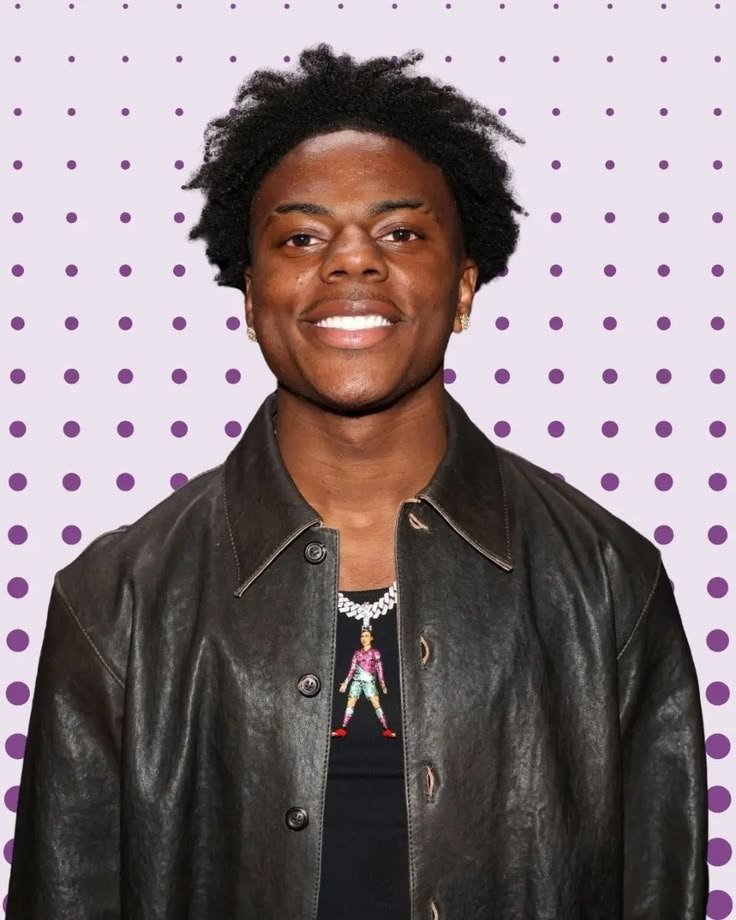
IShowSpeed earned $30 million this year. His rise is one of the most striking stories in the creator economy. Built almost entirely on live streaming energy and an unpredictable, authentic personality, he proves that genuine relatability at scale is its own business model. The lesson here is that being fully, unfiltered yourself, consistently, can be a strategy that no competitor can copy.
9. Mark Robert – $30 Million
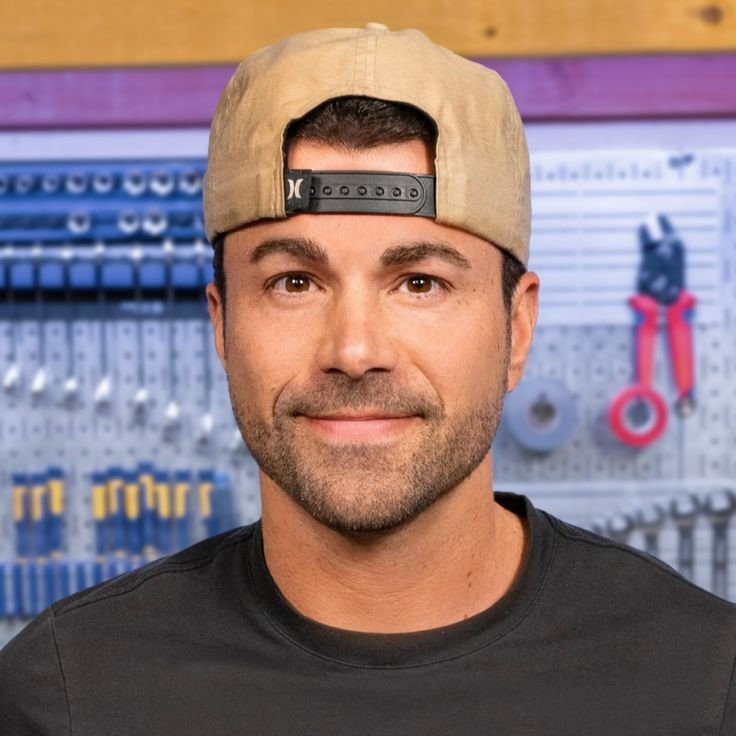
Mark Rober earned $30 million this year. A former NASA engineer, he turned a deep command of science and engineering into some of the most watched educational content on YouTube, then launched CrunchLabs, a STEM subscription box for children. Rober demonstrates that expertise, made accessible and entertaining, becomes a competitive moat. Nobody does what he does quite the way he does it, and that is the point.
10. Codie Sanchez – $31 Million
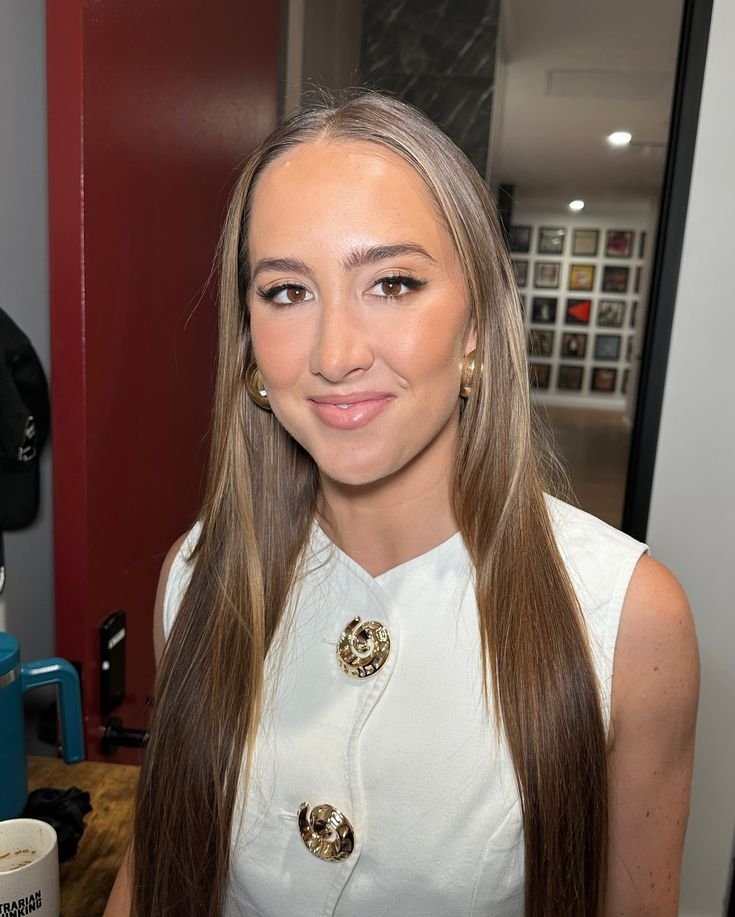
Codie Sanchez earned $31 million through online business education content. She built her audience around one underserved idea: that ordinary people can acquire and run boring, cash-flowing businesses. She did not try to appeal to everyone. She found a specific audience, spoke directly to them, and became the leading voice in that space. That kind of deliberate focus is one of the most underrated moves a creator or entrepreneur can make.
What the Full Picture Tells Us
The 2026 list spans education, lifestyle, food, wellness, technology, and finance. There is no single formula here, no one platform or niche that guarantees success. What the top earners share is not a category. It is a mindset. Each of them identified what they could offer that no one else could, built infrastructure around it, and treated their audience as a long-term relationship rather than a number to grow.
The creator economy just crossed one billion dollars among its top fifty players. The question is no longer whether this space is legitimate. The question is what you are building inside it.
The Brief Network: Inspiring Stories and Empowering Lessons.